
Protection & K9 Training in Indianapolis, IN
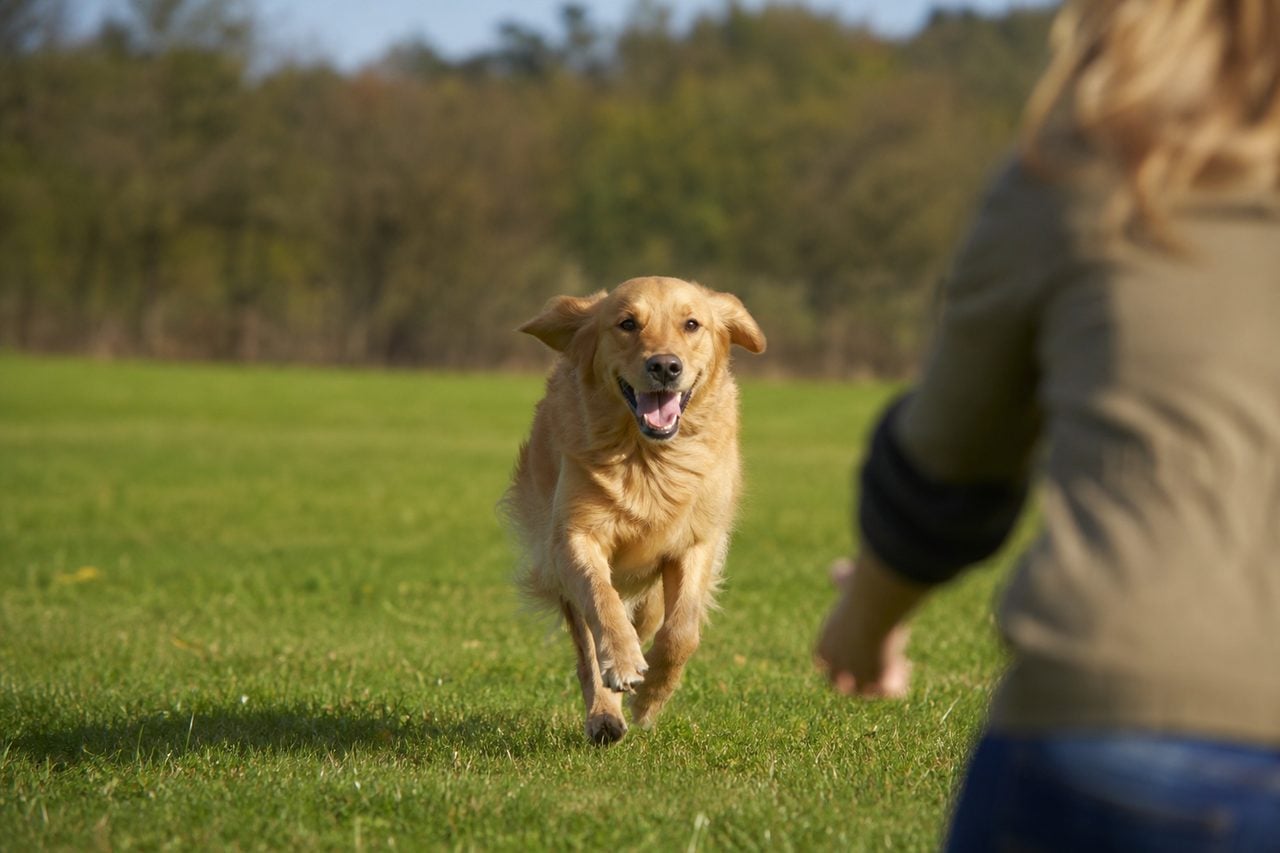
Protection and K9 work is the most misunderstood corner of dog training. Most people picture a snarling guard dog, but a properly trained protection dog is the opposite: a stable, confident, deeply obedient animal that lives as a normal family member and switches "on" only on command. The discipline is built on control, temperament, and responsibility — never on aggression for its own sake.
- What protection training actually is
- Foundation obedience comes first — and it is most of the work
- Temperament evaluation — not every dog is a candidate
- Decoy and helper work — the specialized core
- Sport (IGP/IPO) versus a true personal protection dog
- Legal, liability, and insurance realities in Indiana
- Responsible ownership — this is not about making a dog aggressive
- What to expect from a program in the Indianapolis area
- Finding a qualified protection trainer near you
- Reviewed trainers
- FAQ
This page covers what protection training actually is, the important distinction between protection sport (IGP/IPO) and a true personal protection dog, the temperament and obedience foundations a dog must have before any protection work begins, how decoy and helper work fits in, the legal and liability realities specific to Indiana, and what responsible ownership of such a dog means for Indianapolis families.
If you are considering this path for your dog, read carefully — this is a specialty where choosing the wrong trainer or the wrong dog can create genuine liability, and the best Central Indiana professionals will screen both you and your dog before agreeing to take it on.
What protection training actually is
At its core, protection training teaches a dog to respond to a defined threat — and, just as importantly, to stand down instantly on command. The defining quality of a good protection dog is not bite power; it is control under pressure. A dog that cannot be called off is not a protection dog; it is a dangerous one.
Legitimate protection work is built almost entirely on obedience. Before a dog ever engages, it must hold rock-solid heeling, recalls, stays, and an out (release) command under high arousal. The protection element — the engagement and the release — sits on top of that obedience like the tip of an iceberg. A reputable trainer spends the overwhelming majority of the program reinforcing control, not building drive.
It is also a clearly-defined behavior, not a personality change. A correctly trained protection dog does not become "mean" — it learns a job it performs only when cued, and it remains a stable companion the rest of the time. Any program that produces a generally aggressive or reactive dog has failed, full stop.
Foundation obedience comes first — and it is most of the work
It is worth slowing down on the obedience foundation, because owners who skip past it are the ones who end up with an unmanageable dog. No reputable trainer in Central Indiana will begin protection work on a dog that does not already have advanced, proofed obedience — and that sequencing is not an upsell, it is a safety requirement.
"Proofed" means the behavior holds up under distraction, distance, and duration: the dog heels off-leash past joggers and other dogs, holds a down-stay while you walk out of sight, and recalls instantly even mid-chase. These are the brakes on the car. Protection work adds horsepower — arousal, drive, the ability to engage — and you do not add horsepower to a vehicle with no brakes.
The single most important command in the entire discipline is the out, or release. A dog that engages on command is impressive; a dog that disengages instantly on command is safe. A program that can reliably produce a clean, immediate out under full drive is demonstrating real skill. One that struggles to call the dog off is showing you exactly why you should walk away.
Temperament evaluation — not every dog is a candidate
Not every dog is a candidate for protection work, and pushing an unsuitable dog into it is both ineffective and dangerous. Reputable trainers evaluate temperament before anything else, often as a formal first appointment before they will quote a program at all.
The ideal protection prospect shows:
- Stable nerves — confidence in novel and startling situations, with quick recovery rather than fear or panic.
- Clear-headedness under arousal — the ability to think and respond to the handler even when excited or stressed.
- Strong handler focus and trainability — a genuine desire to work with the handler.
- Appropriate drive — enough to engage the work, balanced by the off-switch to stand down.
- Sound health and structure — the physical soundness to do demanding work without pain-driven behavior.
A fearful, nervous, or already-reactive dog is the wrong candidate — protection training does not fix anxiety or aggression; it amplifies whatever is already there. A dog that bites out of fear is the most dangerous outcome of all, because its triggers are unpredictable and its threshold is low. Likewise, a solid foundation of basic and advanced obedience must come first. A trainer who declines your dog is not failing you; they are protecting you from a problem you do not want to own.
Decoy and helper work — the specialized core
The part of protection training that genuinely requires a professional is the decoy (also called the helper or agitator). This is the person in the protective sleeve or full bite suit who safely teaches the dog when, how, and against whom to engage — and, crucially, how to release.
Good decoy work is a craft in its own right. The decoy reads the dog moment to moment, builds confidence rather than fear, presents clean and consistent pictures the dog can understand, and never "wins" in a way that frightens or sours the dog. A bad decoy can ruin a good dog — creating defensiveness, conflict, or an unreliable out — which is one more reason this is not work to attempt at home with a friend and a towel-wrapped arm.
This is also why protection programs cost more than ordinary obedience: they require trained helpers, protective equipment, safe facilities, and far more one-on-one time. When you evaluate a program, ask who does the decoy work, what their background is, and watch how the dogs respond to them. Calm, confident, clearly-controlled dogs are the signature of a competent helper.
Sport (IGP/IPO) versus a true personal protection dog
These two paths are often confused, and the distinction is important when you talk to Indianapolis trainers about what you actually want.
Protection sport — IGP (formerly IPO/Schutzhund) — is a formal dog sport with three phases: tracking, obedience, and protection. The protection phase is highly stylized and rule-bound, performed against a trained decoy in a sleeve or suit on a competition field. It is an outstanding way to test and develop a dog’s nerve, drive, and trainability, and it builds a phenomenal working relationship. But sport protection is a game with known rules — it is not designed to replicate a real-world threat.
A true personal protection dog (PPD) is trained for real scenarios: defending a handler or home, working through unpredictability, and switching off completely when the threat ends. This work demands exceptional temperament, far more scenario-based training, and a dog that is utterly under control in public.
There is a third category worth naming: many families simply want a well-trained deterrent companion — a confident, obedient dog whose presence discourages trouble and who alerts but is never trained to bite. For most households this is the safest and most appropriate goal, and a good trainer will say so rather than upselling full PPD work that the family does not need and may not be equipped to manage.
Legal, liability, and insurance realities in Indiana
This is the section many trainers gloss over and every responsible owner needs to read. Owning a trained protection dog raises your legal exposure, and Indiana owners should go in clear-eyed.
Indiana, like most states, holds dog owners responsible for bites and injuries their dog causes, and a dog that has been trained to bite invites heightened scrutiny if an incident ever occurs. A bite from a deliberately trained dog is not viewed the way an unfortunate nip from a startled pet is. Beyond state law, many Indianapolis-area municipalities and counties have their own animal-control ordinances, leash requirements, and dangerous-dog provisions — rules can differ between Marion County and surrounding counties like Hamilton, Hendricks, and Johnson, so confirm what applies where you live.
On the insurance side, expect homeowner’s or renter’s policies to ask questions. Some insurers exclude certain breeds, some exclude trained protection or guard dogs outright, and some will raise premiums or require a separate liability rider. Sort this out before you commit, not after. Practical responsibilities that follow from all of this include secure containment and fencing, conspicuous control on every public outing, and never representing your dog as a deterrent in a way that could be read as a threat. None of this is meant to scare you off — it is meant to make sure you choose this path deliberately. A reputable trainer will raise these topics unprompted; treat it as a red flag if they do not.
Responsible ownership — this is not about making a dog aggressive
This point deserves its own section because it is the most common and most dangerous misconception. The goal of protection training is never to make a pet aggressive. A dog trained to bite indiscriminately, that lunges at strangers, or that cannot be controlled is a failure of training and a serious liability to its owner and community.
Responsible ownership of a protection-trained dog means accepting real obligations: rigorous ongoing training and maintenance, scrupulous control in public, secure containment at home, and a clear-eyed understanding of the legal and insurance implications of owning a trained dog. The handler must be as trained as the dog — an out-of-control handler is the most common point of failure. Maintenance is not optional: skills decay, and a half-maintained protection dog is more dangerous than an untrained one because it has the tools without the reliable controls.
The best Central Indiana trainers screen prospective owners as carefully as they screen dogs. Expect questions about your lifestyle, your home, your experience, your children, and your reasons for wanting the work. A trainer who agrees to train any dog for any owner without that conversation is one to avoid.
What to expect from a program in the Indianapolis area
Protection and K9 work is a long-term commitment, not a quick course. Programs across the metro — serving owners from Downtown and the Near-North Side, the East Side and Irvington, and the North, South, and West suburbs from Carmel and Fishers to Greenwood, Avon, and Zionsville alike — typically structure the work in clear phases.
A realistic arc looks like: thorough temperament evaluation, then foundational and advanced obedience proofed to a high standard, then introduction of protection work with a qualified decoy, then scenario proofing and the all-important out and control work, followed by ongoing maintenance for the life of the dog. Many serious programs involve board-and-train or intensive private formats because of the precision and decoy work required.
Costs sit at the higher end of the dog-training market because of the expertise, the equipment, the decoy labor, and the time involved — sport club membership is more accessible, while full personal-protection programs and trained-dog purchases represent a significant investment. Rather than quoting figures, ask each trainer exactly what their program includes, how long it runs, what maintenance it requires of you, and what level of control the finished dog will have. The answers will tell you a great deal about whether the operation is serious and responsible.
Finding a qualified protection trainer near you
Because the stakes are high, vetting matters more here than in any other specialty. As you compare local trainers and clubs, look for:
- Verifiable experience and credentials — titled sport dogs, working-dog backgrounds, or established protection-training lineage.
- An obedience-first philosophy — control and the out command emphasized over bite work.
- Owner and dog screening — a willingness to decline unsuitable dogs or owners.
- Qualified decoys and proper equipment — sleeve/suit work done safely by trained helpers.
- Openness about legal and insurance issues — a trainer who raises liability and containment unprompted is taking the responsibility seriously.
- Honesty about your real needs — steering you toward a deterrent companion if that’s the right fit, rather than overselling full PPD work.
Ask to observe a training session before you commit. Watch whether the dogs look confident and controlled or stressed and frantic, and watch how cleanly they release on command. For many Indianapolis families, the right answer is a confident, beautifully obedient companion rather than a full personal-protection dog — and a good trainer will help you see that clearly before you commit to a demanding and responsibility-heavy path.
Reviewed Protection & K9 Training Trainers in Indianapolis
These reviewed Indianapolis-area trainers from our directory handle protection & k9 training. Each links to a full profile with specialties, certified credentials, reviews, and contact info:
- Lead & Learn Canine Solutions — 5.0★ (7 reviews)
- Ultimate Canine — 4.9★ (435 reviews)
- Kingdom Bully Kennels — 4.9★ (58 reviews)
- Top Tier K9 – Greenwood — 4.9★ (37 reviews)
- Diehl’s Police K9 Training Center, LLC — 4.8★ (16 reviews)
See all Indianapolis protection & k9 training trainers →
Frequently Asked Questions
Will protection training make my dog aggressive toward my family?
No — not when it is done correctly. Proper protection training is built on obedience and control, and a well-trained protection dog remains a stable, normal family companion that only engages on command and stands down instantly. A program that produces a generally aggressive or unpredictable dog has failed and is dangerous. Temperament screening and an obedience-first approach are how reputable trainers prevent this.
What's the difference between IGP/Schutzhund and a personal protection dog?
IGP (formerly IPO/Schutzhund) is a formal dog sport with tracking, obedience, and a stylized, rule-bound protection phase performed against a decoy on a competition field. A personal protection dog (PPD) is trained for real-world scenarios and unpredictability. Sport builds tremendous nerve and trainability but is a game with known rules; PPD work requires far more scenario-based training and exceptional temperament.
Can any dog be trained for protection work?
No. Protection work requires stable nerves, clear-headedness under arousal, strong handler focus, and appropriate drive balanced by a reliable off-switch. Fearful, nervous, or already-reactive dogs are poor candidates — the training amplifies whatever is already there rather than fixing it. Reputable Indianapolis trainers evaluate temperament before agreeing to take a dog on, and a trainer who declines your dog is protecting you, not failing you.
What are the legal and insurance implications in Indiana?
Indiana holds owners responsible for injuries their dog causes, and a deliberately trained dog draws heightened scrutiny if an incident occurs. Local ordinances vary between Marion County and surrounding counties like Hamilton, Hendricks, and Johnson, so confirm what applies where you live. On insurance, some homeowner’s and renter’s policies exclude trained protection dogs or certain breeds, raise premiums, or require a separate liability rider — sort this out before you commit, not after.
Do I really need a protection dog, or is a trained companion enough?
For most families, a confident, well-obedient deterrent companion — a dog whose presence discourages trouble and who alerts but is never trained to bite — is the safest and most appropriate choice. Full personal-protection dogs carry significant ongoing training, control, and liability obligations. A responsible trainer will help you decide honestly which path fits your situation rather than overselling.
What responsibilities come with owning a protection-trained dog?
They are substantial: ongoing training and maintenance for the dog’s life, rigorous control in public, secure containment at home, and a clear understanding of the legal and insurance implications. The handler must be as trained as the dog. Good Central Indiana trainers screen owners carefully and will decline anyone not prepared for those obligations.
Related: read our complete protection & k9 training guide or the full Indianapolis dog training overview.
Ready to find the right protection & k9 training pro in Indianapolis?