
Protection & K9 Training in Pittsburgh, PA
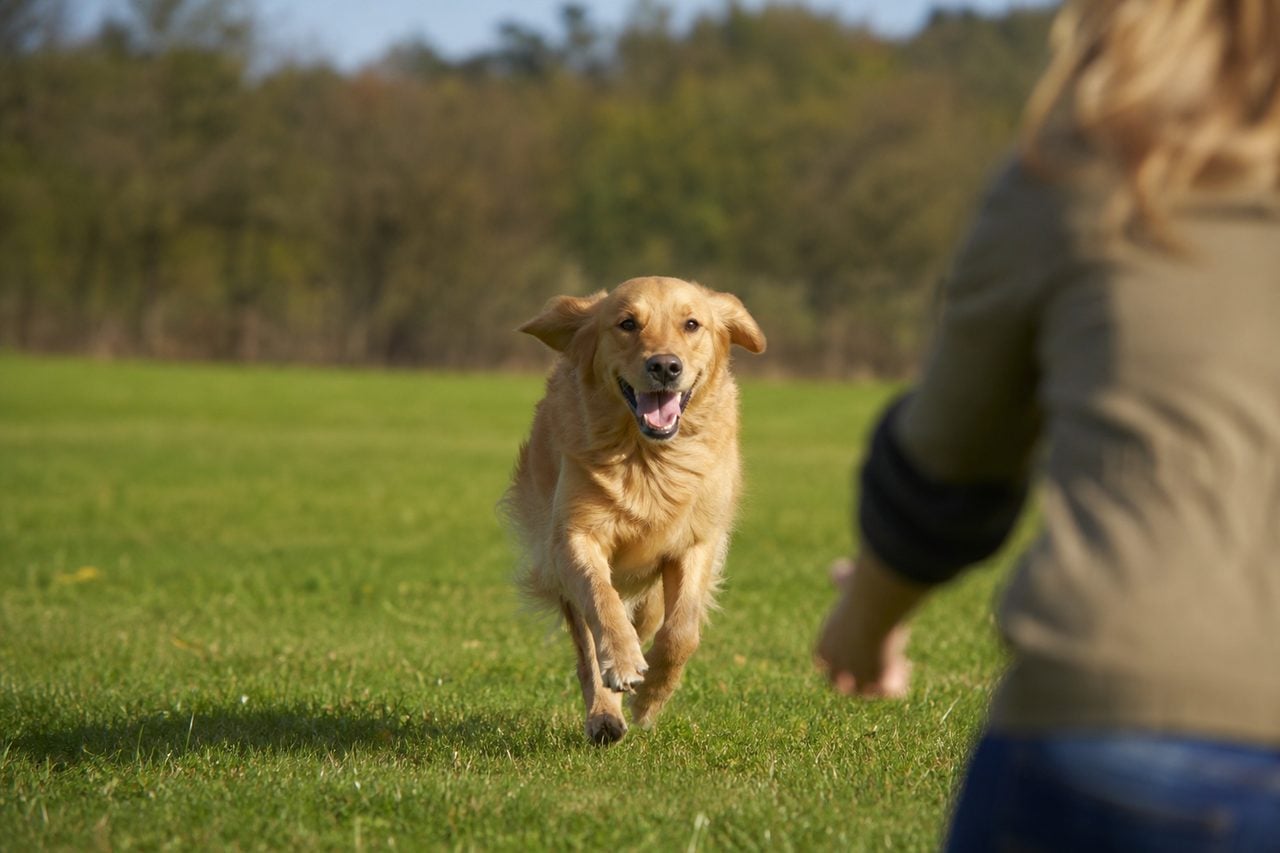
Protection and K9 training is the most misunderstood corner of the dog-training world, and Pittsburgh owners exploring it deserve a clear, responsible picture before they commit. The popular image — a snarling dog that attacks on command — has little to do with what legitimate protection training actually produces. A properly trained protection dog is, above all, a stable, obedient, social companion that happens to have advanced control skills. Aggression is not the product; rock-solid temperament and reliable off-switches are.
- Sport vs. Personal Protection — Know the Difference
- Temperament and Assessment Come First
- Obedience Is the Foundation
- Responsible Ownership, Liability, and the Law
- What Legitimate K9 and Working Programs Involve
- Is This Right for Your Dog and Your Life?
- Choosing a Protection or K9 Trainer in Pittsburgh
- Reviewed trainers
- FAQ
It helps to separate two very different things people lump together. Protection sports — disciplines like IGP (formerly Schutzhund), French Ring, and Mondioring — are competitive dog sports that test tracking, obedience, and controlled bite-work in a structured, rules-bound setting. They’re a hobby and a test of breeding, not a way to create a guard dog. A personal protection dog (PPD), by contrast, is trained specifically to deter or respond to a real threat to its handler. The training overlaps but the goals, the dogs, and the owner commitment differ enormously. Most pet owners who think they want a PPD are better served by sport, by solid everyday obedience, or simply by a sensible home-security plan — and a responsible trainer will tell them so before taking their money.
This guide lays out how responsible protection and K9 training works across the Pittsburgh region, from the city neighborhoods out to the South Hills, North Hills, and surrounding counties. It explains why temperament assessment comes first, why advanced obedience is the real foundation, what the legal and liability picture looks like in Pennsylvania, and how to tell a legitimate program from one that’s simply teaching dogs to be dangerous. The goal is to help you make an informed, responsible decision — including the very real possibility that the right answer for your dog and your life is not protection training at all.
Sport vs. Personal Protection — Know the Difference
The distinction is the first thing any honest program will explain.
- Protection sports (IGP, French Ring, Mondioring, PSA). Competitive, rule-governed pursuits combining tracking, obedience, and controlled, targeted bite-work on a trained decoy in protective equipment. The dog learns to grip and out on cue within a tightly defined game. This is a sport and a breeding test — not real-world defense.
- Personal protection (PPD). Training a dog to assess and respond to genuine threats to its handler in everyday life. It demands an exceptional dog, a deeply committed handler, and ongoing professional maintenance — and carries real legal and liability weight.
The two are often confused, but they aren’t interchangeable. A sport title doesn’t automatically make a street-reliable protection dog, and a PPD isn’t trained to win competitions. For most Pittsburgh owners drawn to the idea, sport scratches the same itch — structure, engagement, an outlet for a high-drive dog — without the serious responsibilities of keeping a trained protection dog in a city neighborhood.
Temperament and Assessment Come First
No reputable trainer starts bite-work without first assessing the dog — and many dogs simply aren’t suited, which is the correct and responsible answer. The dogs that belong in this work are confident, stable, and social, with strong nerves and clear handler focus. They are emphatically not fearful, nervous, or already-aggressive dogs.
This is the most dangerous myth in the field: that protection training will "fix" an anxious or reactive dog by giving it a job. The opposite is true. Teaching bite-work to a fearful or unstable dog creates a genuinely hazardous animal — one that may bite out of panic rather than control. A real protection dog can be switched on and, just as importantly, switched off, and that off-switch depends entirely on underlying temperament. A legitimate program leads with an honest evaluation and will turn dogs away. Be deeply skeptical of anyone who promises to make any dog a protection dog regardless of its nature.
Obedience Is the Foundation
Before any protection work, a dog needs advanced, reliable obedience — and this is where the real time goes. Control is the entire point: a protection dog without flawless obedience isn’t protective, it’s a liability. The hierarchy is non-negotiable: obedience first, then control, then — only for the right dog — protection.
That foundation means rock-solid recall, an instant down or out under high arousal, calm neutrality around strangers and other dogs, and the ability to settle in public. Picture the practical test for a Pittsburgh handler: the dog walks politely past crowds in the Strip District, ignores other dogs on the Three Rivers Heritage Trail, settles on a patio, and recalls instantly even when excited. If a dog can’t do that ordinary, social obedience, it has no business in bite-work. Any program that rushes to protection before this base is built is cutting the corner that matters most — and producing exactly the kind of dog that ends up in a liability headline.
Responsible Ownership, Liability, and the Law
Owning a trained protection dog is a serious legal and ethical commitment, and Pittsburgh owners should go in clear-eyed.
- Liability. If a dog trained in bite-work injures someone, the owner shoulders heavy legal and financial exposure. This is a long-term responsibility, not a one-time purchase.
- Insurance. Homeowner’s or renter’s policies may exclude or surcharge certain breeds or trained protection dogs — check your coverage before you commit.
- Local rules. Pennsylvania and Allegheny County have dog laws, leash and licensing requirements, and dangerous-dog provisions. Verify current local ordinances rather than assuming.
- Ongoing maintenance. Protection training isn’t "done." These dogs need continual practice and professional upkeep to stay safe and controlled.
For most families, the honest takeaway is that the responsibilities outweigh the benefits, and a stable, well-trained companion plus a normal home-security setup serves them better. None of this is legal advice — consult an attorney and your insurer for your specific situation.
What Legitimate K9 and Working Programs Involve
Working-dog disciplines extend beyond personal protection into roles like detection, search work, and handler-protection for professionals — and Pittsburgh’s geography genuinely tests a working dog. Steep, stepped terrain, river trails, bridges and tunnels, dense neighborhoods, and four hard seasons all demand a dog with sound nerves and real fitness.
Legitimate programs share recognizable traits: methodical foundation-building, decoys who use proper protective equipment and sound technique, an emphasis on control and clean "outs," and titling or evaluation through recognized organizations. The culture is one of patience and standards, not bravado. Warning signs point the other way — trainers who skip temperament screening, lean on fear and harsh compulsion to manufacture aggression, promise fast results, or treat any dog as protection material. Whether you’re pursuing a sport title or a serious working role, look for transparency, willingness to let you observe training, and clear acknowledgment of the responsibilities involved. The right program educates you as much as it trains the dog.
Is This Right for Your Dog and Your Life?
Be honest about your motivation before going further. Ask yourself what you’re actually after:
- Want a fun, demanding outlet for a high-drive working breed? Protection sport (IGP, French Ring) is likely your answer — the engagement and structure without PPD’s liabilities.
- Worried about home security? An alarm system, sensible habits, and a confident, alert family dog usually deliver more peace of mind — with far less risk — than a trained bite dog.
- Convinced you need a true personal protection dog? Be ready for the dog, the cost, the maintenance, and the legal weight that come with it, and start with a thorough temperament evaluation.
The right dog for any of this is already stable, confident, and biddable. If your dog is nervous or reactive, the responsible path is addressing that through reward-based behavior work — not bite-work. Use the directory to find programs that lead with assessment and obedience, ask hard questions, and be wary of anyone selling instant guard dogs. Done responsibly, this work is impressive; done carelessly, it’s dangerous.
Choosing a Protection or K9 Trainer in Pittsburgh
This is the highest-stakes specialty to get right, so vet candidates thoroughly:
- Assessment-first. A real trainer evaluates your dog’s temperament before any bite-work and will tell you honestly if it’s not suited. Walk away from anyone who skips this.
- Obedience emphasis. They should stress advanced control as the foundation, not jump straight to the "fun" protection work.
- Transparency. Let you observe a session, explain their methods and equipment, and discuss liability openly.
- Credentials and affiliations with recognized sport or working-dog organizations, and a track record you can verify.
- Honest framing. They distinguish sport from PPD and don’t oversell what protection training will do for a pet.
Compare options across the Pittsburgh metro — from the city out to the South Hills, North Hills, eastern suburbs, and the surrounding counties — and weight method and integrity far above convenience. In this field especially, the trainer’s judgment about which dogs shouldn’t do the work tells you more than any demonstration of one that can.
Reviewed Protection & K9 Training Trainers in Pittsburgh
These reviewed Pittsburgh-area trainers from our directory handle protection & k9 training. Each links to a full profile with specialties, certified credentials, reviews, and contact info:
- Kilted K-9 Dog Training — 5.0★ (20 reviews)
- Hochadel K9 LLC — 5.0★ (9 reviews)
- Verner Canine — 5.0★ (3 reviews)
- Centurion K9 PSA and AS Club — 5.0★ (1 review)
- Spitze K9 Dog Training — 4.9★ (164 reviews)
- Landshark K9 — 4.9★ (87 reviews)
- Pittsburgh Dog Training — 4.8★ (25 reviews)
See all Pittsburgh protection & k9 training trainers →
Frequently Asked Questions
Can protection training fix my aggressive or fearful dog?
No — and any trainer who says yes is a red flag. Protection work on an unstable or fearful dog creates a genuinely dangerous animal. Reactivity and fear should be addressed through reward-based behavior work, not bite-work. Protection training is only for confident, stable dogs.
What's the difference between protection sport and a personal protection dog?
Protection sports like IGP and French Ring are competitive hobbies with controlled, rules-based bite-work — a test of training and breeding. A personal protection dog is trained to respond to real threats to its handler, with serious legal and maintenance responsibilities. They’re not interchangeable.
Do I need a protection dog for home security in Pittsburgh?
For most families, no. An alarm system, sensible habits, and a confident, alert family dog usually provide more security with far less liability than a trained bite dog. A true protection dog is a major, ongoing commitment.
What kind of dog is suited for protection training?
A confident, stable, social dog with strong nerves, clear handler focus, and an excellent obedience foundation. Nervous, fearful, or already-aggressive dogs are not candidates — a responsible trainer will assess temperament first and turn unsuitable dogs away.
What are the legal risks of owning a trained protection dog in Pennsylvania?
Significant. If a bite-trained dog injures someone, the owner faces serious legal and financial liability. Insurance may exclude or surcharge such dogs, and Allegheny County and Pennsylvania have dog and dangerous-dog laws to follow. Consult an attorney and your insurer before committing — this isn’t legal advice.
Why does obedience matter so much before protection work?
Because control is the entire point. A protection dog must reliably stop and disengage on command under high arousal — without flawless obedience, it’s a liability, not a protector. Legitimate programs build advanced obedience first and only then, for the right dog, add protection work.
Related: read our complete protection & k9 training guide or the full Pittsburgh dog training overview.
Ready to find the right protection & k9 training pro in Pittsburgh?