
Protection & K9 Training in Altoona, PA
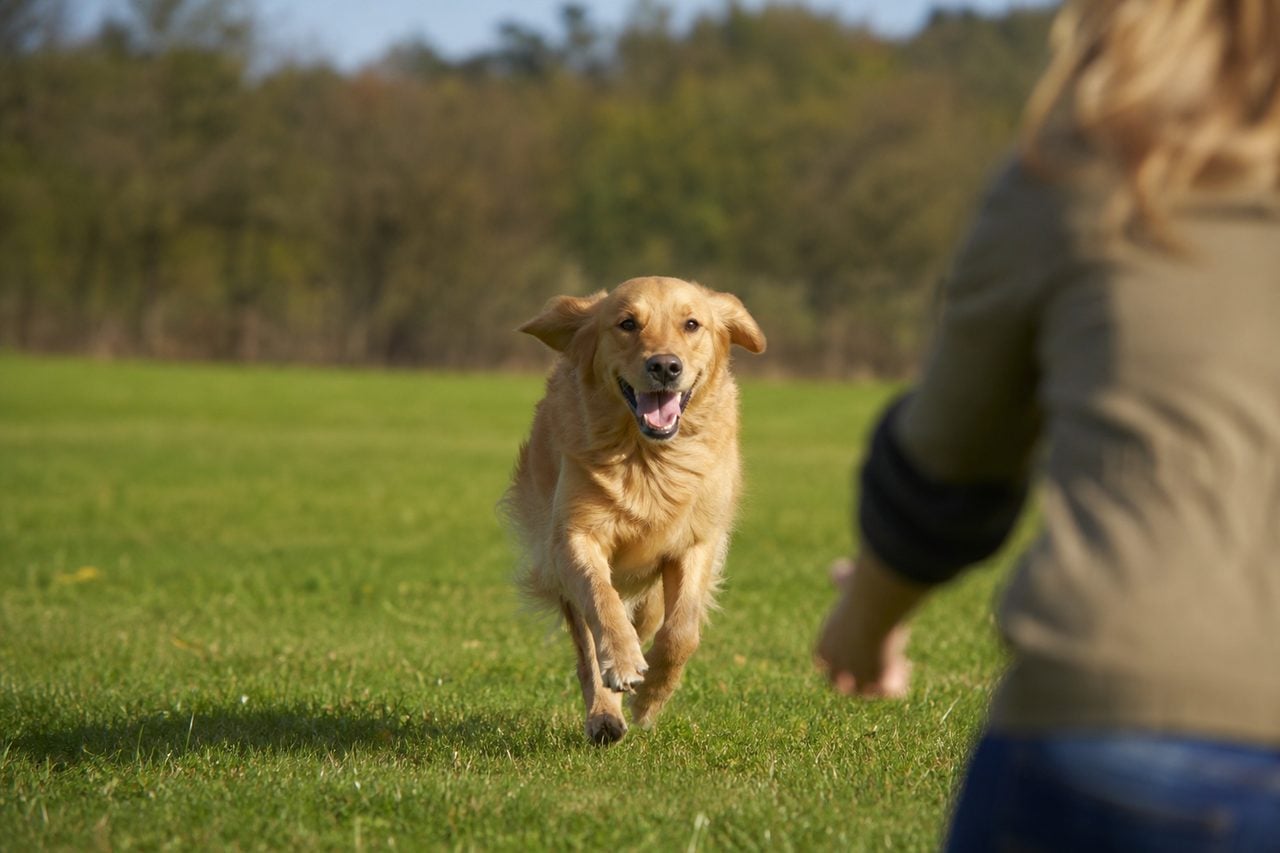
Protection dog training is one of the most misunderstood categories in the dog world, and getting it right matters more than in almost any other kind of training. The term covers a wide range — from the controlled sport of IGP (the modern name for Schutzhund), to genuine personal-protection dogs (PPD) trained to defend a handler, to the trained deterrent role many families really have in mind when they picture a “protective” dog. For owners around Altoona and Blair County considering this path, the single most important idea is that responsible protection work is built on obedience, stability, and temperament first — never on making a dog aggressive.
- Sport (IGP) Versus Personal Protection
- Temperament And Assessment Come First
- Why Fear-Based Training Is Dangerous
- Pennsylvania Legal And Insurance Realities
- Is Protection Training Right For Your Home?
- Finding Qualified Help Beyond Altoona
- Building The Obedience Foundation Locally First
- Reviewed trainers
- FAQ
A properly trained protection dog is, paradoxically, one of the most controlled and neutral dogs you will meet. It is under complete command, indifferent to normal passersby, and only responds under a specific, trained cue — the exact opposite of a reactive or fearful dog that lunges at strangers. That control is the whole point. A dog trained on fear or without an ironclad off-switch is not protection; it is a liability to your family, your neighbors along Logan Valley, and yourself. This is advanced, credential-sensitive work that should never be undertaken casually or with a trainer who cannot demonstrate real, verifiable expertise.
GetDogSchool.com is a directory and information resource, not a training provider, and nothing here is legal advice. This guide is meant to help Altoona-area owners understand the honest landscape of protection training — what the different types really are, how to evaluate whether it is appropriate at all, the temperament and assessment-first foundation it requires, and the serious Pennsylvania legal and insurance considerations — so you can make a genuinely informed and responsible decision. Our aim is not to talk you into or out of anything, but to make sure you go in with clear eyes about what each path really involves.
Sport (IGP) Versus Personal Protection
The first thing to sort out is what kind of “protection” you actually want, because the categories are very different. IGP — formerly Schutzhund — is a competitive dog sport with three phases: tracking, obedience, and protection. The protection phase looks dramatic, but it is highly choreographed work performed against a trained decoy in a padded sleeve, scored on control and precision. IGP is fundamentally an athletic and obedience pursuit that showcases a dog’s drives and trainability; the dogs are pets and competitors, not weapons, and the sport is a superb outlet for high-drive working breeds.
Personal-protection-dog (PPD) training is a different animal. A true PPD is trained to actually defend a handler or home under real threat, on command, while remaining perfectly controlled the rest of the time. This is serious, specialized, expensive work that demands an exceptional dog and an experienced professional, and it carries real legal and liability weight. Many families who think they want a PPD are better served by a well-trained, obedient dog whose mere presence and bark deter trouble — a trained deterrent — without the risks and obligations of a dog conditioned to engage. Being clear-eyed about which of these three you are really after is the foundation of every good decision that follows.
Temperament And Assessment Come First
No responsible protection program starts with bite work. It starts with an honest temperament assessment, because the wrong dog in protection training becomes dangerous. The right candidate is fundamentally stable and confident — a dog that is neither fearful nor indiscriminately aggressive, that recovers quickly from surprises, that has strong nerves and clear on and off drives, and that is rock-solid in obedience before anyone considers advanced work. Fear is disqualifying: a fearful dog trained toward protection does not become brave, it becomes unpredictable and prone to biting out of panic.
A trustworthy trainer will evaluate the specific dog before agreeing to anything and will turn away dogs that are poor candidates — that willingness to say no is itself a good sign. They will also insist on a deep obedience foundation first, because control is what separates a protection dog from a hazard. If a program offers to make any dog protective without assessing temperament, or promises fast results, treat that as a serious red flag. Breed is a factor but not a guarantee; plenty of individuals within the classic working breeds are not suited to this work, and temperament in the individual dog always outranks the label on the breed. Age and maturity matter as well; serious protection work is generally built on an adult dog whose temperament has fully settled, not on a young puppy whose adult character is still an unknown. A good evaluator reads the whole picture before ever committing to a program.
Why Fear-Based Training Is Dangerous
It is worth stating plainly why the how of protection training matters so much: a dog trained through fear, pain, or by deliberately making it aggressive is not a protection dog, it is a bite risk with no reliable off-switch. Real protection work is built on confidence, clear communication, and obedience so precise the dog engages and disengages on a single command. The dog must remain neutral to the mail carrier, the neighbor, the child on a bike — and respond only under a specific trained cue. That neutrality and control are impossible to build on a foundation of fear or provocation.
This is why the trainer’s methods and philosophy are not a stylistic preference here but a safety issue. A dog wound up into general aggression, or one that has learned to distrust people through harsh handling, may bite the wrong person at the wrong time — and the consequences land on your family and your neighbors. Responsible protection training produces a stable, discerning dog under total control; irresponsible training produces a household hazard that looks tough right up until it fails. When you evaluate any program, the quality and clarity of its obedience and control foundation tells you far more than any flashy bite demonstration. Watch how the dogs behave when they are not working — are they calm, sociable, and easy to handle around people? That everyday neutrality is the true measure of whether the training was done right.
Pennsylvania Legal And Insurance Realities
Owning a dog trained to bite on command carries real legal weight in Pennsylvania, and this deserves genuine homework before you begin — not legal advice from a website, but awareness. Pennsylvania has a dangerous-dog law under which a dog that attacks or inflicts injury can be legally designated dangerous, triggering strict requirements: secure confinement, specific liability insurance, registration, signage, muzzling in public, and more. A dog deliberately trained for protection can draw heightened scrutiny if it is ever involved in an incident, and owners bear liability for what their dog does.
Homeowner’s and renter’s insurance is the other hard reality. Many policies exclude or limit coverage for certain breeds or for dogs trained in protection, and a bite claim can lead to non-renewal or a denied claim. Before committing, it is genuinely important to speak with your own insurance carrier about how a protection-trained dog affects your coverage, and to understand your exposure if the dog ever injures someone. These considerations apply just as much in Blair County as anywhere, and they are a core part of the decision — not an afterthought. A responsible trainer will raise the legal and insurance dimension with you rather than gloss over it; consult a qualified attorney and your insurer for your specific situation.
Is Protection Training Right For Your Home?
For most Altoona-area families, the honest answer to “do I need a protection dog?” is no — and that is a perfectly good outcome to reach. It is worth separating the wish (feeling safer) from the specific, high-commitment tool (a bite-trained dog). A well-trained, obedient dog of a reasonable size is already a meaningful deterrent: its presence, alertness, and bark discourage most opportunistic trouble without any bite training at all, and without the legal and insurance exposure that comes with a true PPD.
Genuine personal-protection training makes sense in a narrow set of circumstances and only with the right dog, the right professional, and eyes fully open to the ongoing responsibility — a protection dog is a years-long commitment to maintenance training and careful management, not a one-time purchase. If what you actually want is a confident, controlled family dog that will alert you and deter strangers, invest that energy in excellent obedience and socialization instead; you will get most of the real-world benefit with far less risk. If you conclude you do want to pursue sport work like IGP for the challenge and the bond, that is a great goal — just approach it as the demanding, structured sport it is. It is also worth being honest about lifestyle fit: a high-drive working dog suited to this kind of work needs a great deal of time, exercise, and engagement, and can be a poor match for a quiet household that mainly wanted a sense of security. Matching the dog to your real life matters as much as any training decision.
Finding Qualified Help Beyond Altoona
Legitimate protection and IGP training requires specialized expertise that is not common in every town, and Blair County is a smaller market. We are not going to invent a local protection specialist for you; the responsible path is to look for verifiable, credentialed expertise even if that means traveling. IGP in particular is club-based, and clubs affiliated with national organizations exist across Pennsylvania — the larger populations around Harrisburg and Pittsburgh, roughly ninety minutes from Altoona, are the natural places to find established clubs, experienced decoys, and serious personal-protection professionals.
When you evaluate any protection trainer or club, vet hard. Ask to see credentials, titles earned, and years of specific protection experience; ask to observe a training session before committing; and watch for the fundamentals — is the obedience and control foundation rock-solid, do they assess temperament and turn away unsuitable dogs, do they discuss legal and insurance realities openly? Be wary of anyone promising to make any dog protective quickly or cheaply, or who leans on producing aggression rather than control. This is one category where cutting corners or choosing convenience over demonstrated expertise is genuinely dangerous, so it is worth the drive and the diligence to find people who do it responsibly.
Building The Obedience Foundation Locally First
Whatever direction you land on, one step is universal: build an outstanding obedience foundation, and you can and should start that locally around Altoona. Every legitimate protection or sport path rests on a dog that is stable, well-socialized, and reliably obedient under distraction — and that groundwork does not require a specialist. Solid foundational obedience, confidence-building, and thorough socialization from a good local trainer make a dog a better candidate for advanced work later and a better family dog regardless of whether protection work ever happens.
Starting local first is also a sensible screening step. Working through foundational training reveals a lot about your individual dog’s temperament and drives — information a responsible protection or IGP professional will want anyway, and which may confirm whether advanced work is even appropriate for this particular dog. It keeps early costs down and lets you build a relationship with your dog before deciding whether to pursue the far bigger commitment of protection or the sport of IGP. In short: nail the fundamentals near home, be honest about what you actually need, and if you do move toward specialized work, do it through verified experts and with full awareness of the Pennsylvania legal and insurance picture.
Protection & K9 Training in Altoona: Local Options & Nearest Specialists
Right now there are no listed Altoona trainers offering personal-protection training. This is a specialist discipline built on temperament selection, rock-solid obedience and liability-aware handling — not something a general obedience trainer can take on — so the realistic options are below.
Nearest protection & k9 training specialists — Pittsburgh
For complex cases, some families travel to the larger pool of specialists in the Pittsburgh area for additional protection programs and bite-sport clubs. Top-reviewed options:
- Kilted K-9 Dog Training — 5.0★ (20 reviews)
- Hochadel K9 LLC — 5.0★ (9 reviews)
- Verner Canine — 5.0★ (3 reviews)
- Centurion K9 PSA and AS Club — 5.0★ (1 review)
- Spitze K9 Dog Training — 4.9★ (164 reviews)
- Landshark K9 — 4.9★ (87 reviews)
- Pittsburgh Dog Training — 4.8★ (25 reviews)
See all Pittsburgh protection & k9 training trainers →
Frequently Asked Questions
What is the difference between IGP sport and a personal-protection dog?
IGP (formerly Schutzhund) is a competitive dog sport with tracking, obedience, and a choreographed protection phase performed against a padded decoy and scored on control and precision — the dogs are athletes and pets, not weapons. A personal-protection dog (PPD) is trained to actually defend a handler or home on command while staying fully controlled otherwise, which is serious, specialized, expensive work with real legal weight. Many families who picture a PPD actually want a trained deterrent: a well-obedient dog whose presence and bark discourage trouble.
Does protection training make a dog aggressive?
No — done responsibly, it does the opposite. A properly trained protection dog is exceptionally controlled and neutral to normal passersby, engaging only under a specific trained cue and disengaging on command. It is built on confidence, obedience, and stable temperament, not aggression. A dog trained through fear or deliberately made aggressive is not a protection dog; it is a bite risk with no reliable off-switch and a danger to your family and neighbors. Methods matter enormously here as a safety issue.
Can any dog be trained for protection?
No. Responsible programs start with an honest temperament assessment, not bite work. The right candidate is fundamentally stable, confident, strong-nerved, and rock-solid in obedience first. Fearful dogs are disqualified because fear-based protection produces unpredictable biting. Breed is a factor but not a guarantee — the individual dog’s temperament outranks the label. A trainer willing to turn away unsuitable dogs is showing a good sign; anyone promising to make any dog protective quickly is a red flag.
What are the legal and insurance considerations in Pennsylvania?
This is a core part of the decision, not an afterthought — and this is general information, not legal advice. Pennsylvania’s dangerous-dog law can designate a dog that attacks or injures as dangerous, triggering strict confinement, liability insurance, registration, signage, and muzzling requirements, and owners bear liability for their dog’s actions. Separately, many homeowner’s and renter’s policies limit or exclude protection-trained dogs, so a bite claim can mean non-renewal or denial. Talk with your insurer and a qualified attorney before committing.
Do most families actually need a protection dog?
Usually not, and that is a fine conclusion. A well-trained, obedient dog of reasonable size is already a meaningful deterrent through presence, alertness, and bark — without the legal and insurance exposure of a bite-trained dog. A true personal-protection dog is a years-long commitment to maintenance training and careful management. If you mainly want to feel safer, investing in excellent obedience and socialization gets most of the real-world benefit with far less risk.
Where can I find qualified protection or IGP training near Altoona?
Legitimate protection and IGP training requires specialized, verifiable expertise that is not common in a smaller market like Blair County, and we will not invent a local specialist. IGP is club-based, and established clubs, experienced decoys, and serious PPD professionals are more likely found around Harrisburg or Pittsburgh, roughly ninety minutes away. Vet hard: check credentials and titles, observe a session, confirm the obedience-and-control foundation is solid, and be wary of anyone promising fast results or leaning on aggression. Meanwhile, build the obedience foundation locally first.
Related: read our complete protection & k9 training guide or the full Altoona dog training overview.
Ready to find the right protection & k9 training pro in Altoona?