
Dog Training Prices in Dallas, TX
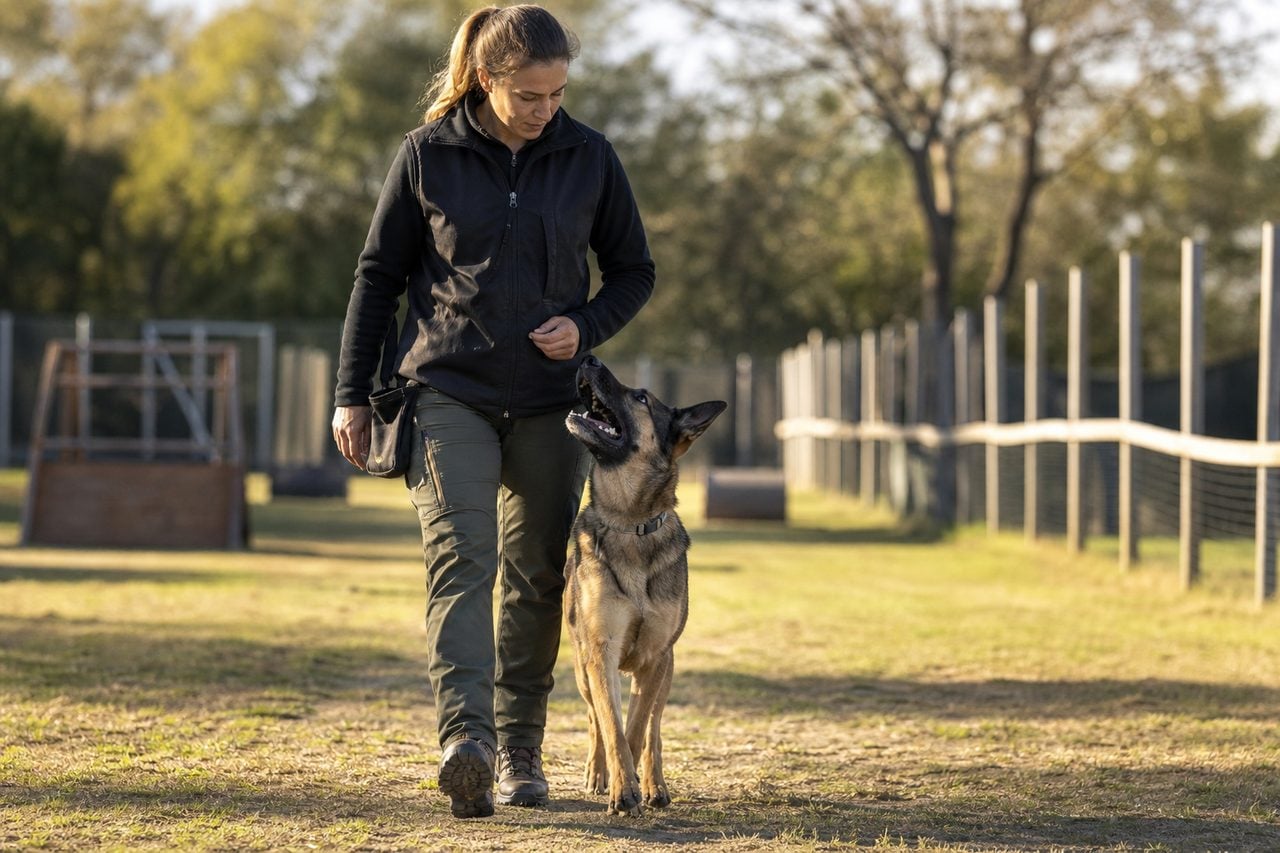
Dog training prices in Dallas, Texas vary widely, and the biggest driver is not the trainer but the format: a group class, a package of private lessons, day training and a multi-week board-and-train are very different purchases.
This guide explains what each format buys, what pushes a quote up or down, which costs sit outside the headline number and how to compare two quotes fairly. It does not list prices, since they change often and depend on the dog.
Several Dallas trainers publish their rates, several start with a free evaluation or consultation, and one offers a low-cost first lesson, so getting current numbers is usually quick.
What each format buys
Training formats differ in who does the work, how much time the trainer spends and how much support comes after.
- Group classes. Usually the least expensive way to train. Local classes run weekly for five or six weeks, from a long-running school, a volunteer club, independent trainers and pet stores. You get an hour of coached practice a week and the dog learns around distractions, but attention is shared.
- Private and in-home lessons. One-on-one time aimed at your dog’s problems. Dallas trainers sell single lessons, packs of several lessons and multi-level packages. Cost per hour is higher than a class, but less time is wasted.
- Day training. The trainer works the dog without you, then hands over. It costs more than coaching lessons because the trainer does more of the repetitions. A Dallas facility sells training days singly or in a ten-day bundle, and a force-free trainer sells a three-week day-training package.
- Board-and-train. The dog lives with the trainer or at a facility for one to several weeks. It is usually the largest single purchase because it includes care, housing and many hours of training. Local programs run from about ten days up to five weeks.
- Behavior consults. An assessment or consultation for a specific problem, often the first step before a package.
What pushes a quote up or down
Within a format, several factors move the price.
- Program length. Board-and-train programs in Dallas are priced by length, such as two, three or five weeks, with longer stays adding real-world practice in parks and stores.
- The problem. Basic manners cost less than behavior work. Some trainers price behavior modification and custom programs individually after an evaluation.
- Trainer experience and credentials. Certified behavior specialists and trainers with decades of experience may charge more per hour.
- Travel. In-home trainers may add a mileage charge outside their core area. One Dallas trainer charges for homes more than 15 miles from the I-30 and LBJ interchange.
- Safety needs. One trainer adds a fee for an assistant when working with larger dogs that have a bite history.
- Number of dogs. Several trainers discount additional dogs in the same household or offer multi-dog pricing.
- Bundles. Pet stores offer savings packages for combining classes, and many private trainers price lessons lower per session in larger packs.
- Discounts. One in-home trainer offers a discount to military, police and fire department members.
Costs outside the headline price
The quoted program price is rarely the full cost. Budget for the extras before comparing.
- Evaluations. Some trainers charge for the first assessment and some offer it free. Ask whether a paid evaluation counts toward the program.
- Equipment. Leashes, long lines, harnesses, crates, mats and any training collar a program uses.
- Boarding and daycare. Some programs fold training into daycare or boarding, and the care is priced on top. A family-owned resort sells individual training sessions between daycare playtimes, and a balanced trainer adds a short obedience session to a day of daycare.
- Follow-up. Some programs include support for a set period, such as 60 or 90 days, while others include lifetime support or group classes. Others charge for refresher lessons.
- Testing and extras. Canine Good Citizen tests, workshops and outings are often priced separately.
- Vaccinations. Classes and boarding require proof of vaccinations, so check records are current.
How to compare two quotes
Two quotes that look far apart may cover very different things. Line them up on the same terms.
- Hours of training. How many hours does the trainer actually spend with your dog, and how many with you?
- Who trains. The owner, a lead trainer or a team member? Ask which trainer will be assigned.
- Handover. For board-and-train, how many sessions teach you the skills, and are they included? One Dallas program includes a drop-off session, a mid-program video session, a go-home session and a follow-up visit at home.
- Support afterward. A set support period, lifetime refreshers or nothing at all.
- Method and tools. Whether the price includes equipment, and whether you are comfortable using it.
- Goals. A specific list of skills the dog should have at the end, in writing.
Be cautious of quotes built around a guarantee. Some Dallas programs advertise guaranteed results; read what the guarantee actually covers, which usually means more training rather than a promised outcome.
Saving money without cutting corners
Good training does not have to mean the most expensive option. A few approaches stretch a budget.
- Start with a class. A volunteer club’s six-week classes or a pet-store course can cover basics affordably, and the Duncanville club puts its revenue back into the club and its service work.
- Buy coaching, not hours. Owner-coaching packages, where you do the practice, cost less than day training or board-and-train for many problems.
- Use virtual sessions. Several Dallas trainers offer video coaching, which can cost less than in-person visits.
- Try a workshop. One trainer runs one-hour workshops on single topics such as recall or leash walking.
- Start early. Puppy training is cheaper than fixing an adult problem later.
Spend more where it matters: behavior problems with safety risks deserve an experienced specialist, even if that costs more upfront.
Reading a published rate sheet
When a Dallas trainer publishes rates, the list usually mixes several kinds of items, and it is easy to compare the wrong ones. Separate them before you decide.
- Per-lesson rates tell you the cost of an hour, but not how many hours your dog will need.
- Packages bundle a set number of lessons or a curriculum, often at a lower rate per session. Check how long you have to use them.
- Program prices for board-and-train or day training cover a fixed period and a list of skills. Read the list.
- Add-ons such as puppy prep sessions, tests, travel or extra dogs sit outside the main price.
If a trainer does not publish rates, that is common too. Some prefer to quote after seeing the dog, because the same goal can take very different amounts of work for different dogs. Ask for the quote in writing, with the number of sessions and what each includes.
Reviewed Dog Trainers in Dallas
These reviewed Dallas-area trainers from our directory can walk you through pricing for their programs. Each links to a full profile with specialties, certified credentials, reviews, and contact info:
- Always Faithful Dog & Puppy Training Dallas TX — 5.0★ (63 reviews)
- Hound habits — 5.0★ (8 reviews)
- Smarty Dog Training — 5.0★ (7 reviews)
- DALLAS DOG TRAINING — 5.0★ (2 reviews)
- Underdog Kennels Dog Daycare and Boarding — 4.9★ (387 reviews)
- THE Pack : Big D’s Best Buds — 4.9★ (16 reviews)
- Starr Dog Behavior — 4.8★ (114 reviews)
- Breyers’ Canine Academy — 4.8★ (39 reviews)
- Furry Tails — 4.6★ (289 reviews)
- Dog Training Club of Dallas County — 4.6★ (62 reviews)
See all Dallas dog training prices trainers →
Frequently Asked Questions
What is the cheapest way to train a dog in Dallas?
Usually a group class, from a pet store, an independent trainer or the volunteer club in Duncanville, combined with daily practice at home. Owner-coaching and virtual sessions are also lower-cost options for specific problems.
Why is board-and-train so much more expensive?
It covers housing, care and many hours of daily training over one to several weeks, plus handover sessions. Compare it to the total cost of lessons that would deliver the same training hours, not to a single lesson.
Do Dallas trainers offer free evaluations?
Several do, and others charge for an initial assessment or offer a low-cost first lesson. Ask whether the evaluation fee is credited toward a program.
Are pet-store classes worth it?
They can be good value for puppies and basic manners, with positive-reinforcement methods and small groups at some stores. For serious behavior problems, a specialist is usually a better use of money.
Where can I find current prices?
Ask trainers directly or check their own websites, since several Dallas trainers publish rates. Prices change, so confirm before booking and get the program details in writing.
Related: read our complete dog training prices guide or the full Dallas dog training overview.
Ready to find the right dog training prices pro in Dallas?