
Dog Training Prices in Plano, TX
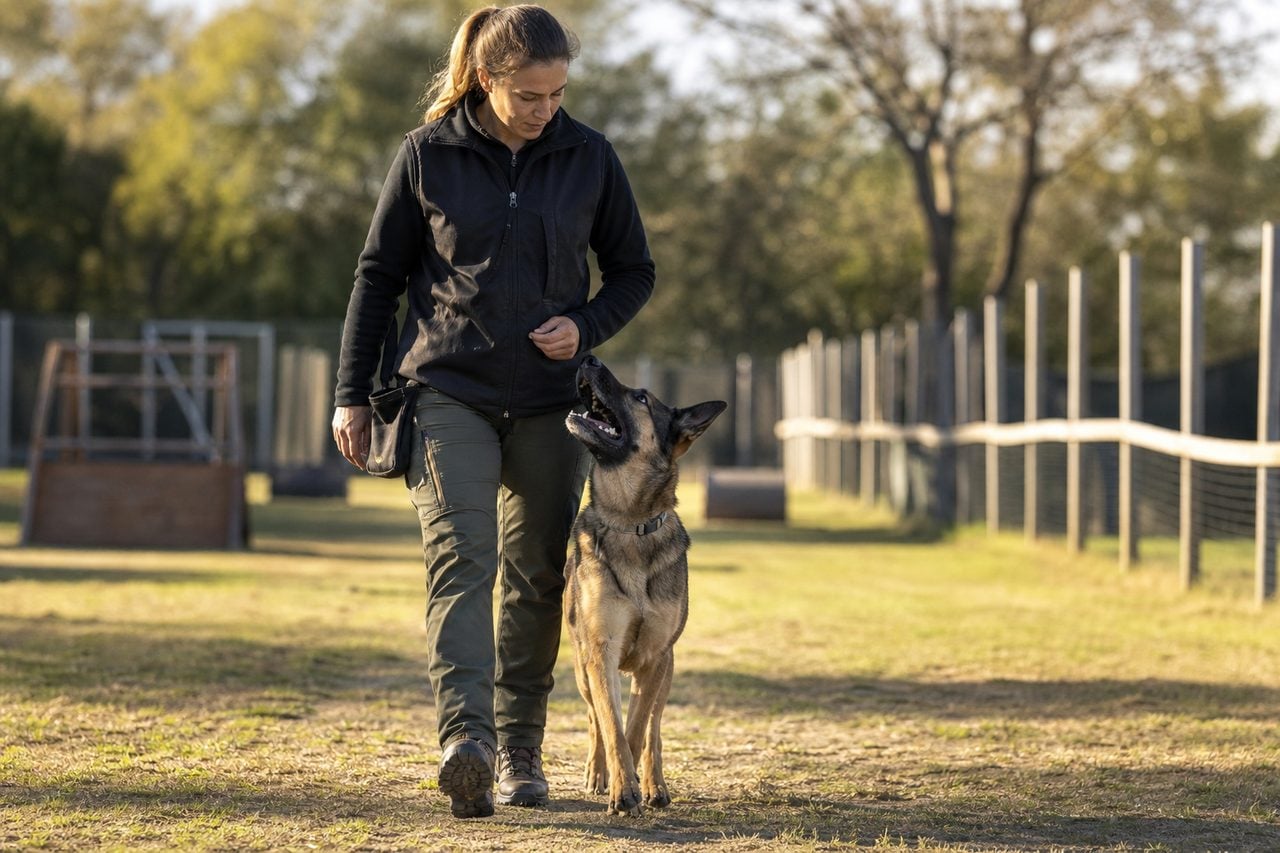
Dog training prices around Plano vary widely, but most of the difference comes down to format: how many hours a professional spends with your dog, where the training happens and how much of the work you do yourself. A weekly group class, a package of in-home behavior sessions and a six-week board-and-train are different products, and they are priced that way.
This guide explains what each format buys, the factors that move a quote up or down, the costs that sit outside the headline, and how to compare quotes fairly. It leaves out figures on purpose, because rates change and programs differ. Many trainers in Plano, Richardson, Allen and Wylie publish their rates or start with an evaluation, so current numbers are easy to get directly.
What each format buys
The format you choose is the biggest single driver of cost.
- Group classes. Usually the least expensive way to train. Courses around Plano commonly run four to six weeks, from manners ladders at a training center to outdoor classes in Plano parks, and some clubs run sport classes in multi-week sessions.
- Training gyms and drop-ins. Some programs let you book classes on a flexible schedule or pay per drop-in session or by the month, rather than for a fixed course.
- Private and in-home lessons. One-on-one time at a facility or at home, often sold singly or in packs of several sessions. In-home sessions may cost more than on-site ones, and specialists with behavior credentials may charge more per hour.
- Day training. A trainer works with your dog during the day, at home or at a facility, followed by transfer lessons.
- Daycare and train. Training folded into a daycare day, priced alongside daycare.
- Board-and-train. The dog lives with the trainer for two to six weeks. It is typically the most expensive format because it buys many hours of daily professional work plus care and housing.
What moves a quote
Within a format, several factors push the price up or down.
- Length. A two-week board-and-train costs less than a four-, five- or six-week program. Local programs often sell steps of increasing length, each adding skills.
- Complexity. Reactivity, aggression and severe behavior programs cost more than basic manners. One Allen trainer prices behavior sessions above basics sessions, with a higher tier for severe reactivity or bite history.
- Credentials and experience. A session with a certified behavior consultant may be priced above one with a trainer, even within the same team.
- Setting. On-site, in-home and home-based board-and-train each carry different costs. In-home sessions may include travel fees depending on location.
- Number of dogs. Some programs price second and third dogs in the same household on a sliding scale.
- Intensity. Accelerated packages with daily or alternate-day lessons cost more than weekly visits but move faster.
Costs outside the headline
Before you commit, ask about everything around the program.
- Evaluations and consultations. Some local trainers offer a free consultation, a free behavior evaluation or a free gym orientation, while others charge for an initial evaluation or a consultation before the first lesson. At least one offers a paid evaluation to help families choose a puppy or rescue dog.
- Deposits. Board-and-train programs may require a deposit, sometimes non-refundable. Ask about the terms.
- Equipment. Some programs include tools, such as an e-collar the dog keeps, while others expect you to buy them.
- Follow-ups. Some include weekly follow-ups, handover sessions or lifetime support at no additional cost, and others charge per session after the program ends.
- Boarding and daycare. Facilities that train often sell daycare and boarding separately, with membership plans and first-day or first-night offers for new guests.
- Online options. Self-paced online courses and seminars can be a low-commitment way to start.
Ask, too, what happens if your schedule changes. Group classes may have make-up policies, in-home trainers may have cancellation windows, and board-and-train programs may set dates well in advance. Knowing the rules up front avoids paying for sessions you cannot use, especially in busy seasons when class spots fill quickly.
Comparing quotes fairly
Put two quotes side by side and compare what each actually buys, not just the total.
- How many hours will a professional spend with your dog, and how many with you?
- What specific skills or outcomes are promised, in plain words?
- How many follow-up or transfer sessions are included, and for how long?
- Which methods and tools will be used, and are you comfortable continuing them?
- What happens if your dog needs more time than planned?
Read guarantees carefully. Some local programs advertise a satisfaction guarantee or a promised outcome, and the conditions matter, since no trainer controls what happens at home after the program ends. A low-cost first lesson can be a useful way to meet a trainer, as long as you know what the full program costs afterward.
Getting value for money
The best value is the format that fits the problem. A young dog that needs manners usually does well in a group class. A problem tied to the house suits in-home lessons. Fear, reactivity and aggression call for someone with behavior experience. Paying for an intensive program you do not need is as wasteful as a class that cannot address your real issue.
Timing saves money too. Early puppy training is usually cheaper than fixing an adolescent’s habits, and addressing early signs of fear or guarding costs less than a long behavior program later. If budget is tight, ask a trainer which single step would make the biggest difference, such as one private session to set up a home plan followed by a group class.
Finally, count your own time. Every format, including board-and-train, depends on what you practice afterward. Ask how much daily practice each trainer expects, and choose a plan you can keep up.
It also helps to think in phases rather than one big purchase. Many Plano-area programs are built as ladders: a manners class followed by a second and third level, a board-and-train followed by group classes or pack walks, or an evaluation followed by a short package and then optional extra sessions. Buying one phase at a time lets you see results before committing to more, and gives you natural points to switch formats if your dog’s needs change.
Keep a simple record of what you were quoted, what it includes and any terms you agreed to. If a trainer recommends extending a program, that record makes it easy to see what the extra time would add and to decide whether it is worth it for your dog and your budget.
Reviewed Dog Trainers in Plano
These reviewed Plano-area trainers from our directory can walk you through pricing for their programs. Each links to a full profile with specialties, certified credentials, reviews, and contact info:
- Tip Top K9 — 5.0★ (597 reviews)
- North Dallas Dog Trainer — 5.0★ (74 reviews)
- Mecca Canine — 5.0★ (44 reviews)
- Hoodlum Hounds Dog Training — 5.0★ (18 reviews)
- Wholehearted Canine — 5.0★ (9 reviews)
- The Confident Pooch — 5.0★ (4 reviews)
- Dogs Mind Texas — 5.0★ (3 reviews)
- Wiggle Butt Academy — 4.9★ (71 reviews)
- Cosmic Canine — 4.7★ (394 reviews)
- Dogtopia of The Shire at CityLine — 4.7★ (167 reviews)
See all Plano dog training prices trainers →
Frequently Asked Questions
What is the least expensive way to train a dog around Plano?
Group classes are usually the most economical, and drop-in or flexible gym-style options can also keep costs down. A short series of private lessons can be good value for a specific problem.
Why does board-and-train cost more?
It buys many hours of daily professional training plus housing and care, usually for two to six weeks. The hand-off and follow-up lessons are an important part of what you pay for.
Do Plano-area trainers offer free evaluations?
Some do, including a free behavior evaluation at a training-led facility, free consultations and a free orientation at an indoor training gym. Others charge for an evaluation that includes a detailed plan.
Are there discounts for multiple dogs?
Some programs price additional dogs in the same household on a sliding scale. Ask each trainer directly.
Where can I find current prices?
Many local trainers publish their rates, and most will quote after a consultation or evaluation. Ask for the full program cost, including follow-ups, equipment and any deposit.
Related: read our complete dog training prices guide or the full Plano dog training overview.
Ready to find the right dog training prices pro in Plano?