
Dog Training Prices in Fort Lauderdale, FL
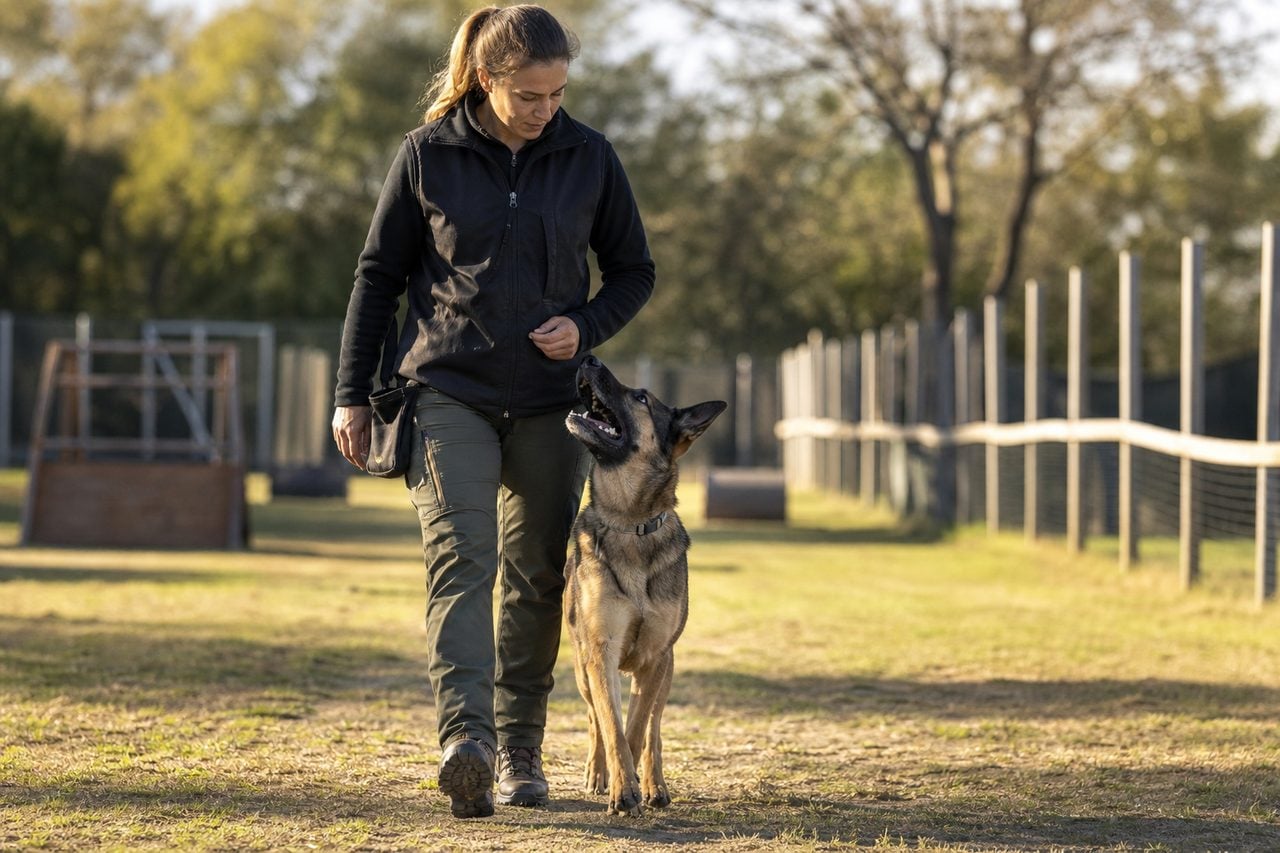
What dog training costs in Fort Lauderdale depends far more on the format you choose than on the trainer’s zip code: a six-week group class, a series of private lessons at home, a few days of drop-off training and a multi-week board-and-train stay buy very different things.
This guide explains what each format includes, what pushes a quote up or down across Fort Lauderdale and the nearby Broward County suburbs, the costs that sit outside the headline, and how to compare two quotes fairly. Several local trainers publish their rates, and many offer a free first conversation or assessment, so you can gather real quotes before committing.
What each training format buys
- Group classes. Usually the lowest entry point. Pet stores in Oakland Park, Lauderhill, Plantation and Fort Lauderdale run multi-week group classes, and a force-free facility and a daycare in Oakland Park run their own. You get an instructor’s attention shared with a handful of other dogs and a set curriculum.
- Private and in-home lessons. One-on-one time with a trainer, at home, in public or at a facility. Lessons may be sold one at a time or as a weekly package. You pay for undivided attention and a plan built around your dog.
- Daily in-home training. A trainer visits every weekday for a set number of weeks. One Fort Lauderdale team sells this in two-week to four-week blocks. Expect a higher total than weekly lessons, because you are buying far more trainer hours.
- Day training. You drop the dog off during the week and the trainer hands the skills over at pickup. Some daycares fold training into the daycare day.
- Board-and-train. The dog lives with the trainer for intensive daily work, usually the biggest single outlay. Local programs run from about two weeks to eight weeks.
- Behavior consults. An assessment and a written plan for a specific problem, sometimes with phone or email support, offered in person or by video.
What pushes a quote up or down
Two quotes for training the same dog can differ widely, and the reasons are usually visible once you know where to look.
- Where the training happens. Location changes the price even for the same course. A Lauderhill trainer with decades of police K9 experience charges noticeably more for his obedience course at the owner’s home than at his own facility, and more again for a ten-day drop-off program with daily training. Travel time is part of what you pay for.
- How many trainer hours you buy. Five weekly sessions, daily weekday visits and a two-week residential stay are very different amounts of work, even when they target the same skills.
- The problem being solved. Basic manners for a friendly puppy usually cost less than work on reactivity, fear or separation anxiety. One local team prices its three-week residential behavior program above its puppy and general obedience programs.
- Program length. A Sunrise school recommends four to six weeks of board-and-train for untrained dogs over a year old, against a basic two-week format, and a Fort Lauderdale trainer’s kennel board-and-train runs from two to eight weeks.
- Experience and credentials. Certified professionals and specialists with long track records may charge more than generalists, and the specialist may solve a hard problem in fewer sessions.
- Specialized goals. Off-leash reliability, service dog task training, therapy dog preparation and protection work take longer and usually cost more than basic obedience.
Costs outside the headline
The quoted price is rarely the whole bill, so ask about these before you commit.
- Vaccinations and paperwork. Group classes typically ask for proof of vaccinations, and one fear-free trainer requires a puppy’s first round before starting.
- Equipment. Leashes, collars or harnesses, treats and a crate. Some balanced programs use prong collars or e-collars, so ask whether the tool is included or bought separately.
- Follow-up sessions. Many board-and-train and boot-camp programs include lessons at home after pickup. One Fort Lauderdale team pairs 14 days of boarding with five weeks of in-home lessons. Check whether follow-ups are included or extra.
- Daycare and boarding add-ons. Training sold alongside daycare or boarding may be priced separately from the stay itself.
- Practice locations. Barkham at Markham in Sunrise requires an annual or seasonal membership or a daily fee, and Colohatchee Dog Park in Wilton Manors requires advance registration with proof of rabies and bordetella vaccination.
- Cancellation terms. One local pet-care team states that bookings are final and non-refundable, so read the policy before you pay.
Free first steps worth using
Several trainers in the area let you learn something before you spend anything, which makes comparing easier. A Plantation in-home team starts every program with a free in-home assessment and builds a custom plan instead of selling pre-set packages. A Fort Lauderdale trainer offers free 15-minute consultations. An Oakland Park daycare runs a free supervised hour for puppies 8 to 16 weeks old, with training tips for owners. A family-run pet-care company does a free assessment or meet and greet, in person or virtually, and other businesses begin with an introductory session, an initial visit or a registration meeting before booking.
Use these conversations to ask about method, schedule and what a typical program for a dog like yours includes, then ask for the price in writing.
How to compare two quotes
Put each quote side by side and work through the same short list.
- Trainer contact time. Add up the actual hours a trainer spends with your dog and with you. A package that looks pricier may simply include more training.
- Who does the training. Some businesses have several trainers. Ask who you will work with and what their background is.
- What you learn. The dog’s training only lasts if you can keep it going. Look for owner coaching, written homework and support between sessions.
- The handover. For residential programs, ask how the dog is transferred back to you and how many follow-up lessons are included.
- Method and tools. Fort Lauderdale has force-free, positive-reinforcement and balanced trainers. Make sure the method fits your dog and your comfort level, since switching midway costs more than choosing well.
- Long-term promises. A couple of local programs advertise lifetime follow-up commitments. Ask exactly what is included, what you must do to keep it valid and whether it is in writing.
Reviewed Dog Trainers in Fort Lauderdale
These reviewed Fort Lauderdale-area trainers from our directory can walk you through pricing for their programs. Each links to a full profile with specialties, certified credentials, reviews, and contact info:
- Ruff Rules — 5.0★ (268 reviews)
- Canine University, LLC — 5.0★ (87 reviews)
- Happy Tails SoFlo LLC — 5.0★ (60 reviews)
- AYP Dog Training – Broward — 5.0★ (51 reviews)
- Champion Dog Training Center — 5.0★ (38 reviews)
- HumaneK9 Dog Training LLC — 5.0★ (26 reviews)
- Reeve The Dog Walker — 5.0★ (26 reviews)
- Beach Dawg Care — 5.0★ (17 reviews)
- 2 Poops & a Scoop, Inc. — 5.0★ (1 review)
- Smart Start Puppies – Dog Training — 4.9★ (1109 reviews)
See all Fort Lauderdale dog training prices trainers →
Frequently Asked Questions
What is the cheapest way to start dog training in Fort Lauderdale?
Group classes are usually the most affordable entry point, and several pet stores and facilities in the area run them. Free consultations, free in-home assessments and free puppy play hours offered by some local businesses are also a low-cost way to get advice before choosing a program.
Why is board-and-train so much more than weekly lessons?
Board-and-train covers housing, care and daily training sessions over days or weeks, so you are paying for many more trainer hours plus boarding. Weekly lessons cover a single session at a time, with you doing the practice in between. Compare the hours involved, not just the totals.
Is in-home training more expensive than training at a facility?
Often, yes, because the trainer travels to you. At least one local trainer prices the same obedience course higher at the owner’s home than at his facility. In exchange, you get training where problems actually happen, which can make it more efficient for behaviors like door-dashing or barking at guests.
Do trainers in the area publish their prices?
Some do. A few Fort Lauderdale and Lauderhill trainers post rates for lessons and programs, while many others ask you to call or book an assessment first so they can quote for your dog. Ask for any quote in writing, with the number of sessions and what is included.
What should a written training quote include?
The format, the number and length of sessions, who will train, where training happens, what equipment is needed, what follow-up support is included, and the cancellation and refund terms. With those details, two quotes can be compared fairly.
Related: read our complete dog training prices guide or the full Fort Lauderdale dog training overview.
Ready to find the right dog training prices pro in Fort Lauderdale?