
Dog Training Prices in Columbia, SC
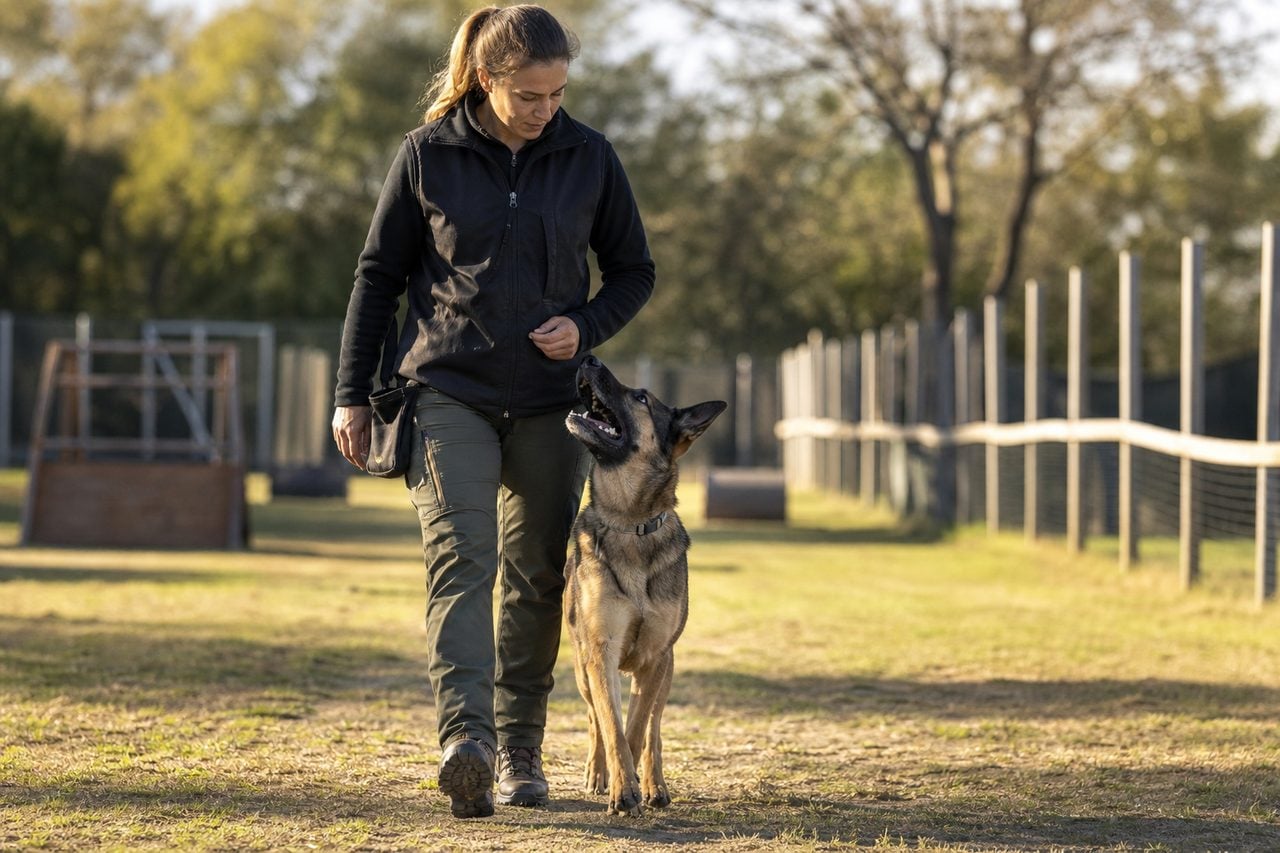
What dog training costs in Columbia, South Carolina depends far more on the format you choose and the problem you bring than on which trainer you call. A run of weekly classes, a single behavior consult and a multi-week residential program are different products, and comparing their headline numbers side by side tells you very little.
This page does not list figures, because rates change and most local trainers quote after meeting the dog. Instead it explains what each format buys, what pushes a quote up or down across the Midlands, which costs sit outside the headline and how to compare two quotes fairly. Several trainers here start with a free consultation, assessment or evaluation, which is the easiest way to get a real quote for your own dog.
What each training format buys
Before comparing costs, be clear which product you are shopping for. The Columbia market offers all of these:
- Group classes. A set number of weekly sessions with other dogs, usually the lowest cost per hour of instruction. Several local trainers run group classes, ranging from a member-run obedience club with multi-week sessions to small group lessons of six to eight teams held at different locations. You pay for structure and distraction practice, not individual attention.
- Private and in-home lessons. One-on-one time with a trainer, at a facility, at your home or at a neutral location. Many trainers list in-home training or private lessons. You pay for the trainer’s full attention and, with in-home work, their travel.
- Day training. The trainer works your dog while you are at work, then shows you the results. Some local trainers list it; one sends videos and notes after each lesson. You pay for professional repetitions and your own saved time.
- Board-and-train. The dog lives with the trainer for a period, often with boarding bundled in. Many trainers in the metro offer it. It is usually the largest single outlay, because it combines daily training with care around the clock.
- Behavior consultations. An assessment and a plan for a specific problem such as aggression, fear or separation anxiety. One Columbia trainer, for example, offers a free phone consultation after a questionnaire, then an in-person behavior and training assessment with immediate actions and a recommended plan. You pay for diagnosis and a roadmap, then decide on follow-up sessions.
What pushes a quote up or down
Two dogs booked with the same trainer can receive very different quotes. The usual drivers:
- The problem itself. Basic manners for a friendly young dog is a smaller job than aggression, severe reactivity or separation anxiety, which need more sessions, more careful planning and often more experience from the trainer.
- Distance. The metro sprawls along I-26, I-20, I-77 and US 378. A trainer whose regular round is Lexington and Irmo may add a travel charge for Elgin or Hopkins, or may not cover those towns at all. Check the stated service area first; one West Columbia franchise territory, for instance, lists the specific neighborhoods and towns it covers.
- Program length. Packages of several sessions usually cost less per session than booking one at a time, and board-and-train length multiplies the cost directly.
- Experience and credentials. The metro includes trainers with more than thirty-five years of experience, businesses active since 2001 or 2009, and holders of professional certifications. Experience tends to be reflected in the rate.
- What is bundled. Lifetime support, guarantees, follow-up classes or online resources all add value to a quote and are worth pricing in rather than ignoring.
- Specialty work. Protection, service dog, therapy dog and sporting-dog training are niche services with fewer providers, and they are typically priced as longer programs.
Costs outside the headline figure
The quoted program is rarely the whole bill. Ask about these before you commit:
- Equipment. Leashes, long lines, harnesses, a crate, a mat, treat pouches, and whatever tools the trainer’s method uses.
- Boarding and care. Some board-and-train quotes include boarding; others charge it separately. Several Columbia facilities combine training with boarding, daycare or grooming, so check which services appear on the invoice.
- Follow-up sessions. A board-and-train program without handover lessons leaves you with a dog that obeys the trainer. Find out how many owner sessions are included.
- Club membership and sport fees. A member-run club or a dog-sport venue may charge membership or trial entries on top of classes.
- Off-leash park access. If off-leash practice is part of the plan, Saluda Shoals’ Barking Lot needs a membership and Sesquicentennial State Park runs on membership or day passes; Emily Douglas Park is one of the few free off-leash options in the city.
- Payment terms. Deposits, cancellation rules and accepted payment methods vary. One Lexington-area trainer, for example, accepts cash or check only.
Free consultations and published rates
Free first steps are common in the Columbia market and worth using. Among the local trainers, a K-9 trainer working since 2009 offers a free consultation that includes a detailed estimate and a live demonstration with your dog; a franchise territory starts with a free assessment; another franchise territory starts with a free evaluation; an in-home business serving the Midlands since 2001 offers a free in-home evaluation; a St. Matthews kennel offers a free consultation; a Lady Street trainer offers a free thirty-minute phone consultation; and a balanced trainer active since 2015 offers a free thirty-minute virtual consultation.
Some trainers publish their rates online; many others quote only after an evaluation, because the problem shapes the program. Neither approach is a warning sign. What matters is that you receive a clear written quote stating the number of sessions, the format and what support follows.
Treat a free consultation as an interview in both directions. Watch how the trainer handles your dog, ask what method they use and why, and see whether their explanation of your dog’s behavior makes sense to you.
How to compare two quotes fairly
Put competing quotes on the same footing before deciding. For each one, write down:
- The total number of contact hours with a trainer, and how many of them include you handling the dog.
- Where the training happens – your home, a facility, a neutral location or online.
- What happens after the program ends: lifetime support, tune-up classes, phone check-ins or nothing.
- Any guarantee, and exactly what it promises. Be cautious about promises of fixed results in a fixed number of days; behavior does not work that way.
- The method and equipment, and whether you are comfortable using them yourself long-term.
- Extras that will appear later: boarding, travel, equipment, club fees.
A lower quote that covers fewer hours, excludes follow-up and requires expensive equipment can end up costing more than a higher one that includes all of these. The cheapest option that does not solve the problem is the most expensive in the end.
Finally, weigh your own time. A board-and-train program may cost more but suit a household with little spare time; group classes cost less but need weekly attendance and daily practice. The right quote is the one that fits both your dog’s needs and the effort you can realistically commit.
Reviewed Dog Trainers in Columbia
These reviewed Columbia-area trainers from our directory can walk you through pricing for their programs. Each links to a full profile with specialties, certified credentials, reviews, and contact info:
- Dog Training Elite Midlands SC — 5.0★ (158 reviews)
- Chapin Pup Club — 5.0★ (95 reviews)
- The Dog Wizard – Dog Training Columbia — 5.0★ (93 reviews)
- South Carolina K9 Academy — 5.0★ (79 reviews)
- All Dogs Unleashed — 5.0★ (65 reviews)
- Lexington Dogs | Home Of The Dog Captain Expert Dog Training — 5.0★ (62 reviews)
- Contented Canines — 5.0★ (52 reviews)
- Professional Paws — 5.0★ (36 reviews)
- Columbia K9 Training & Behavior — 5.0★ (34 reviews)
- The Canine Curriculum — 5.0★ (33 reviews)
See all Columbia dog training prices trainers →
Frequently Asked Questions
Why don't Columbia dog trainers list one standard price?
Because the format and the problem change the job. A basic manners class, an in-home program for separation anxiety and a residential board-and-train are different products. Many local trainers quote after a free consultation or evaluation, and some publish their rates online.
Is in-home training more expensive than a class?
Per hour, private in-home lessons usually cost more than group classes, because you get the trainer’s full attention and pay for travel. They can still work out cheaper overall if they solve a home-based problem in fewer sessions than a class would.
What is usually included in a board-and-train quote?
It varies. Ask whether boarding is included, how many hours of daily training the dog receives, how many handover sessions you get, and whether support continues afterward. Some local programs advertise lifetime support; others end when the dog goes home.
Do trainers charge extra to travel to Lexington, Irmo or Blythewood?
Some do, especially at the edges of their range. Some in-home trainers here name Lexington, Irmo and Columbia within their core area, and one adds Chapin, so confirm the service area and any travel charge before booking.
Are free consultations worth booking?
Yes. Several trainers in the metro start with a free consultation, assessment or evaluation. It gives you a quote based on your own dog and a chance to see the trainer’s methods before paying anything.
Related: read our complete dog training prices guide or the full Columbia dog training overview.
Ready to find the right dog training prices pro in Columbia?