
Dog Training Prices in Toledo, OH
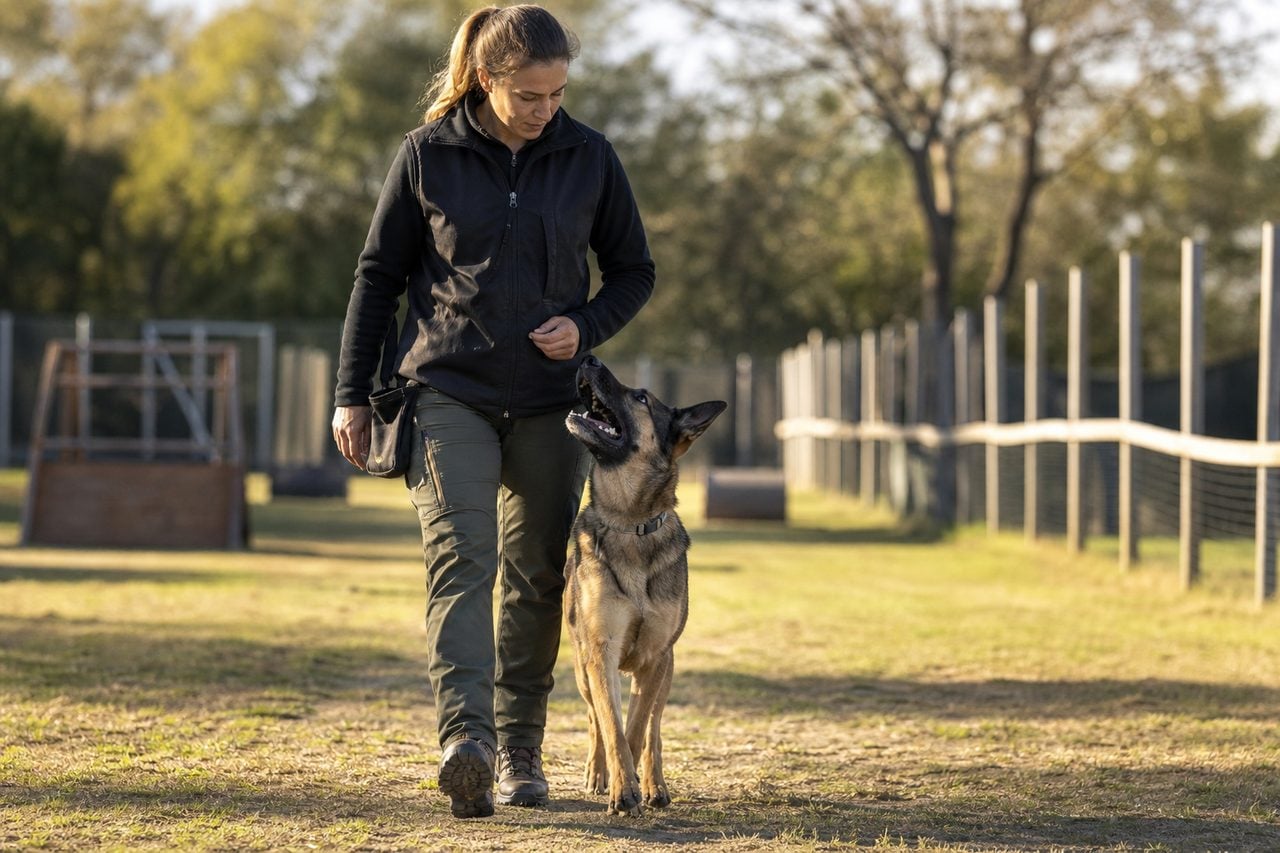
One of the first questions Toledo dog owners ask is the most practical one: what does dog training actually cost around here? The honest answer is that it depends on the format you choose, the trainer’s experience, and which part of the metro you live in. This guide explains how every common training format is priced relative to the others, what drives a quote up or down, and how to match your budget to your dog’s needs.
A bit of regional context helps set expectations. Training prices in the Toledo area and the wider Lucas County market generally sit at or just below the national average, which is good news for local owners. There is also a noticeable geographic split: the affluent west-side suburbs such as Sylvania and Ottawa Hills, along with Perrysburg and Maumee across the river, tend to run a little higher, while east-side communities like Oregon and Point Place, and more outlying areas, often come in a bit lower. None of this means cheaper is worse or pricier is better; it means you should shop within your area and judge value on results, not just the sticker.
Every trainer sets their own rates and those rates change, so use this guide to build a budget, ask sharper questions, and avoid both overpaying and underestimating what good training really costs. Always confirm current pricing directly with any trainer you’re considering.
Group Classes: The Most Affordable Starting Point
Group classes are the entry point for most Toledo dog owners, and for good reason: they deliver solid foundational training at the lowest per-session cost while giving your dog valuable socialization around other dogs and people. Puppy kindergarten and basic-manners classes are the least expensive, while specialized group courses cost more.
What you get for that price is structured instruction in the essentials: sit, down, stay, come, loose-leash walking, and polite greetings, plus guidance on common puppy and adolescent issues. The class setting is itself part of the value, because your dog learns to focus on you despite the distraction of other dogs, which is exactly the kind of real-world proofing that pays off later. For a well-adjusted dog with no serious behavior problems, a couple of group-class series can be all the formal training you ever need.
Prices climb within the group format as you move from beginner classes into advanced or specialized courses. Even so, a specialized group class is usually a bargain compared with private training for the same skills.
The main limitation of group classes is that they are not tailored to your individual dog. If your dog has significant fear, aggression, or anxiety, a group setting can be overwhelming and counterproductive, and you will get more from private work. But for the large majority of Toledo dogs that simply need manners and socialization, group classes are the most cost-effective option available, and classes can be found across Sylvania, Maumee, Oregon, and the city itself.
Private Lessons: Tailored One-on-One Training
Private, one-on-one lessons are the next step up in both cost and customization. Sessions in the higher-income west-side suburbs and in-home lessons that require travel tend toward the upper end, while shorter sessions or those held at a trainer’s facility can come in lower. Many trainers offer packages, and buying a bundle of four to six sessions usually brings the per-session price down meaningfully.
The value of private lessons is that everything is built around your specific dog and your specific goals. Whether you are tackling leash reactivity on your Old West End walks, polishing recall for off-leash time at Oak Openings, or working through house-training setbacks in your Perrysburg home, the trainer addresses exactly what you need without the pace being set by a class. In-home sessions add another layer of value because the trainer can see your dog’s actual environment and coach the whole household, which matters enormously since consistency among family members is often the missing ingredient.
Private lessons are also the right choice for dogs that do not do well in groups. A fearful, reactive, or anxious dog often makes far faster progress in calm one-on-one sessions than it ever could in a class, and the trainer can manage distance and intensity precisely. For owners with busy schedules, private work is simply more flexible, fitting around your life rather than a fixed class night, which is a real consideration for families juggling work and kids across the suburbs.
When budgeting for private training, think in terms of a program rather than a single session, because lasting change usually takes several lessons plus your homework in between. A plan of four to eight private sessions is a common path for a Toledo owner with a specific, solvable issue, and the total depends on package pricing and the trainer. The investment buys both the trainer’s expertise and a structured plan you can actually follow.
Day Training and Day School
Day training, sometimes called day school or dog daycare-with-training, is a middle path that has grown popular with busy Toledo households. In this model, you drop your dog off and a professional trainer does the actual training during the day, then coaches you on how to maintain the skills at handoff. It is more expensive than group classes but generally less than full board-and-train, and it solves the time problem for owners who want professional results without having to run every training session themselves. As with other formats, west-side and Perrysburg-area programs tend to price a bit higher than east-side options.
The strength of day training is that a skilled professional is putting in the reps with your dog consistently, which often produces faster, cleaner results than a busy owner can manage alone, while still keeping the dog at home each night so the family bond and routine stay intact. The handoff coaching is the critical piece: a good program does not just train your dog, it teaches you to keep the behaviors going, because skills that are not maintained will fade no matter how good the trainer was.
Day training works especially well for foundational obedience, manners, and many common behavior issues in dogs that are comfortable being away from home for the day. It is less suited to severe separation anxiety or dogs that find a daycare-style environment stressful. For Toledo families who want professional-grade training but want their dog home every evening, day training hits a sweet spot between cost, results, and convenience that pure group classes and full board-and-train do not.
Board-and-Train: The Premium, Intensive Option
Board-and-train is the most intensive and the most expensive common format. Your dog lives with a trainer or at a training facility for a set period, usually two to four weeks, receiving daily professional training in an immersive environment, then comes home with a transfer session to teach you how to maintain the results.
Prices within board-and-train vary widely because the programs themselves vary enormously. A two-week basic-obedience board-and-train sits at the lower end, while a multi-week program addressing serious behavior problems, or one run by a highly credentialed trainer, lands at the top. The price typically bundles boarding, all the daily training, and the all-important go-home transfer lessons, so when you compare quotes, confirm exactly how many days, how many daily training sessions, and how much owner coaching are included rather than judging on the headline number alone.
The appeal of board-and-train is speed and intensity. A skilled trainer working with your dog every day in a controlled setting can make rapid progress, and for owners who lack the time or confidence to do the heavy lifting themselves, the jump-start can be worth the premium. It can be particularly useful for instilling a strong obedience foundation quickly or for managing certain behavior issues under expert supervision around the clock.
The crucial caveat is that the results only last if you maintain them. A dog returns from board-and-train trained, but the dog comes home to the same family and environment, and without consistent follow-through the gains erode. The best programs build in robust go-home coaching and follow-up support precisely for this reason. Toledo owners considering this route should vet the trainer thoroughly, ask to understand their methods and their daily routine, and treat the transfer phase as just as important as the boarding itself. It is the most expensive option, so it deserves the most due diligence.
Behavior Consults and Specialized Work
When the issue is not obedience but genuine behavior problems, fear, aggression, severe anxiety, or compulsive behaviors, you move into the realm of behavior consultations and specialized work, which is priced differently and warrants a different kind of professional. A behavior consultation usually starts with a first session that includes a thorough history intake, assessment of the dog, and a written or verbal behavior-modification plan.
Behavior work is rarely a quick fix; it is a gradual process of desensitization, counter-conditioning, and management, and the cost reflects that this is skilled, patient work rather than a few obedience drills. For Toledo owners dealing with a genuinely reactive or aggressive dog, this is money well spent to keep both the dog and the public safe.
For the most serious cases, particularly aggression with a bite history or behavior tied to a possible medical cause, the right professional may be a credentialed behavior consultant or a veterinary behaviorist rather than a general trainer. Veterinary behaviorists are veterinarians with specialized training who can also prescribe medication when appropriate, and their consultations cost more than a trainer’s. Access to this level of specialist may involve travel or telehealth, and coordinating with your regular veterinarian and the broader regional veterinary network is part of the process. It is the high end of the cost spectrum, but for a dangerous or deeply suffering dog it is the appropriate level of care.
Specialized training such as service-dog task work, scent detection, or competitive sports also commands premium pricing because of the expertise and time involved, frequently structured as ongoing private sessions or long programs. If your goals are specialized, expect to budget accordingly and to commit to a longer timeline. The common thread across all behavior and specialized work is that you are paying for genuine expertise, and trying to economize with an underqualified provider on a serious problem usually costs more in the end.
What Drives Cost and How to Get Value
Several factors explain why two Toledo trainers might quote very different prices for what sounds like the same service. The trainer’s experience and credentials are the biggest driver; a seasoned professional with advanced certifications and a track record with difficult cases commands more than a newer trainer, and often justifiably so. Format matters enormously, as the sections above explain, with group classes cheapest per hour and board-and-train most expensive overall. Session length, whether training happens in your home or at a facility, and travel distance across the metro all move the number too.
Geography within the metro is a real and predictable factor. The west-side suburbs, Sylvania, Ottawa Hills, and the Perrysburg and Maumee areas across the Maumee River, generally support higher prices because of higher local incomes and operating costs, while east-side and outlying communities like Oregon, Point Place, Rossford, Holland, and Waterville often run a bit lower. Bowling Green, anchored by the university, has its own market dynamics. None of this changes the quality of training inherently; it reflects local cost structures, so compare within your own area for the fairest read.
To get genuine value, look past the headline price to what is included and what results the trainer actually delivers. Ask about their methods, since modern reward-based training is the current best-practice standard and tends to produce durable results without fallout. Ask what happens if you need extra support, whether package pricing lowers the per-session cost, and how the trainer measures progress. If a trainer offers a free evaluation or phone consultation, use it to describe your dog’s problem and ask which format they recommend and why. A slightly higher price that includes follow-up coaching and a clear plan is often a better deal than a cheap quote with no support. Reading reviews and asking for references helps you judge real-world results rather than marketing.
Finally, match the format to the actual need rather than overbuying. A friendly, manageable dog that just needs manners does not require an intensive board-and-train; a few group classes or a handful of private lessons will do. A dog with serious aggression should not be handed to the cheapest provider in town; that is exactly the case that warrants paying for real expertise. The smartest Toledo owners spend not the most and not the least, but the right amount on the right format for their specific dog, and they check out the trainer carefully before they commit.
Reviewed Dog Training Prices Trainers in Toledo
These reviewed Toledo-area trainers from our directory handle dog training prices. Each links to a full profile with specialties, verified credentials, reviews, and contact info:
- Ready, Set…Train! — 5.0★ (46 reviews)
- A Promised Friend LLC — 5.0★ (43 reviews)
- P2K9 Training — 5.0★ (36 reviews)
- Alpha K9 Connections — 5.0★ (23 reviews)
- Randy’s Dog Training — 5.0★ (21 reviews)
- The Balanced Canine LLC — 5.0★ (18 reviews)
- K9 Elite — 5.0★ (11 reviews)
- Clever Canine Companion LLC — 5.0★ (9 reviews)
- Heblers Dog Care — 5.0★ (6 reviews)
- Vandenberg Canine — 5.0★ (6 reviews)
See all Toledo dog training prices trainers →
Frequently Asked Questions
What affects the price of a private dog training lesson in the Toledo area?
Location, travel, session length, and the trainer’s experience all play a part. In-home lessons and those in west-side suburbs like Sylvania tend toward the higher end, while shorter sessions or lessons at a trainer’s facility can come in lower. Buying a package of four to six sessions usually lowers the per-session price.
What should a board-and-train quote near Toledo include?
The price usually bundles boarding, daily training, and go-home transfer lessons, so confirm exactly how many days, how many daily training sessions, and how much owner coaching are included when comparing quotes. The transfer phase matters as much as the boarding itself.
What is day training and how does its cost compare?
Day training, or day school, means you drop your dog off and a trainer works with it during the day, then coaches you at pickup. It costs more than group classes but generally less than full board-and-train, a middle path for busy owners who want their dog home every night.
Why are dog training prices higher in some Toledo suburbs?
Geography within the metro is a predictable factor. Higher-income west-side areas like Sylvania and Ottawa Hills, plus Perrysburg and Maumee, generally support higher prices due to local incomes and operating costs, while east-side and outlying communities such as Oregon, Point Place, and Rossford often run a bit lower. It reflects cost structure, not training quality, so compare within your own area.
When is a veterinary behaviorist worth the higher cost?
For aggression with a bite history, or behavior that may have a medical cause, a veterinary behaviorist may be the appropriate professional. They are veterinarians with specialized training who can also prescribe medication when appropriate, so their consultations cost more than a trainer’s, but for a dangerous or deeply suffering dog that level of care is worth it.
Related: read our complete dog training prices guide or the full Toledo dog training overview.
Ready to find the right dog training prices pro in Toledo?