
Off-Leash Dog Training in Cleveland, OH
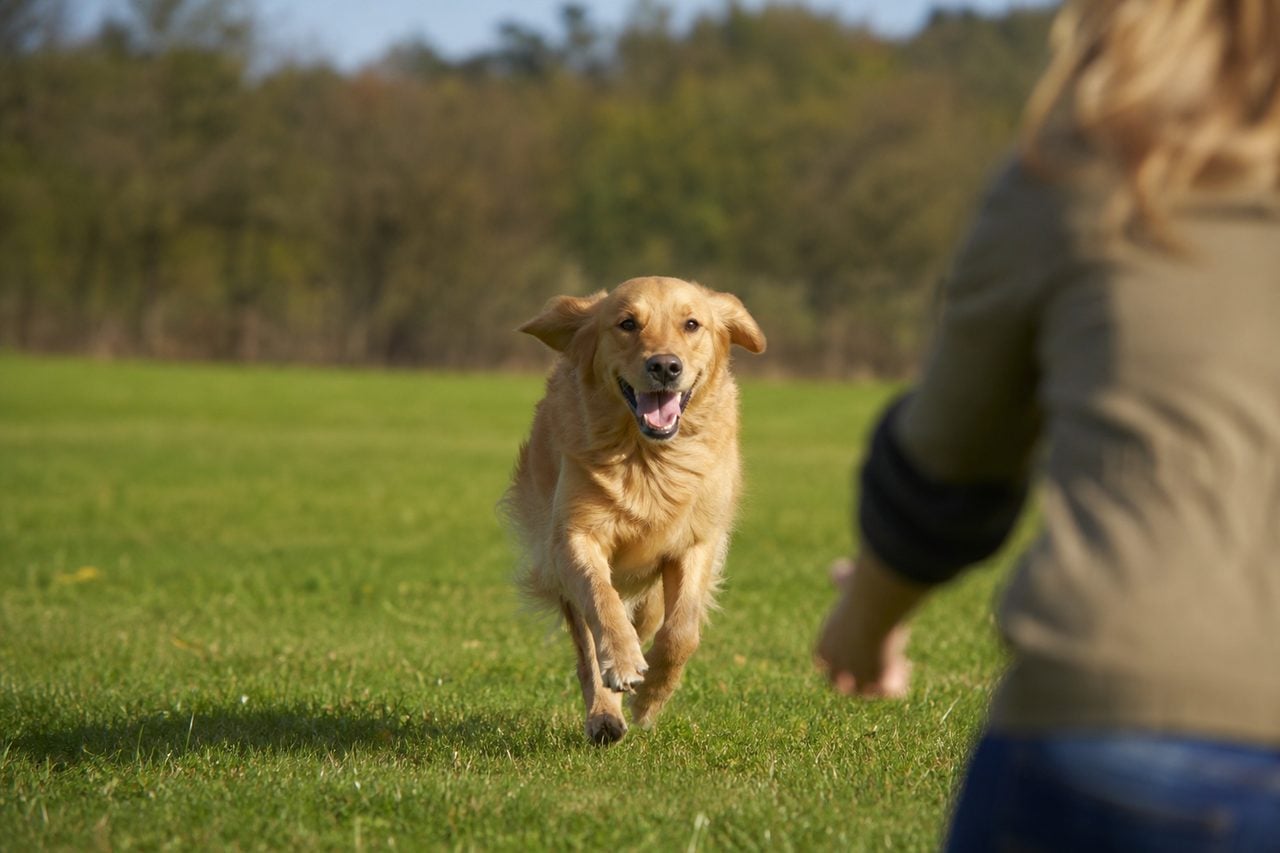
Off-leash reliability means something specific in Northeast Ohio, and it has everything to do with the Cleveland Metroparks. The ‘Emerald Necklace’ wraps the metro in 18 reservations and hundreds of miles of trail, and the dream for most Cleveland owners is simple: hike the Rocky River, Bedford, or Brecksville Reservation with a dog that stays with them, ignores the deer and the cyclists, and comes back instantly when called — without a leash dragging through the mud. Add the off-leash dog parks like the one at Lakewood Dog Park or the fenced areas around the West Side, the open lakefront stretches, and the big suburban yards out in Strongsville, Medina, and Brunswick, and you have a city full of owners who want genuine off-leash freedom rather than just a sit in the living room.
But off-leash work is also where the stakes are highest. A recall that fails near Valley Parkway traffic, a dog that bolts after a deer into the Cuyahoga Valley, or a loose dog on a frozen lakefront in January is a genuine danger. That is exactly why off-leash training is treated as an advanced discipline by serious Cleveland trainers — it is not just ‘come’ with the leash removed. It is a layered system of proofing, distraction work, and reliability-building that takes most dogs months, not weeks.
Greater Cleveland has a tight but strong bench for this work. West Side and Cleveland-proper operations such as Turning Point Dog Training, Boss K9, and Rapid Results Dog Training, the West Side’s Koena K9 in North Olmsted, Paramount Dog Training in Columbia Station, and Paws of Pride out in Chardon are the kind of trainers who build true off-leash reliability. This guide covers what off-leash training actually involves in a Metroparks-and-lake-effect environment, the formats available locally, what it costs, and the mistakes that get dogs into trouble.
What 'Off-Leash Reliable' Actually Means in Cleveland
Plenty of dogs can do a perfect recall in a quiet backyard and completely fall apart the moment a squirrel crosses the Rocky River trail. True off-leash reliability is recall and control that holds under real-world distraction, at distance, and around genuine danger. In a Cleveland context, that means a dog that will:
- Recall off a deer or rabbit in the Metroparks — the single most common failure point in Northeast Ohio.
- Hold a stay while cyclists and joggers pass on an all-purpose trail.
- Stay with you near Valley Parkway road crossings where a bolt is fatal.
- Ignore other off-leash dogs at the lakefront and in open fields.
- Respond on an icy, snow-covered trail where footing is bad for both of you.
Why it’s an advanced skill, not a trick
Off-leash reliability is built on a foundation of solid on-leash obedience, real impulse control, and a recall that has been proofed against escalating distractions over time. Trainers typically use a long line (a 15–30 foot lead) and often a remote (e-)collar as a safety and communication bridge before any dog goes truly naked. The collar isn’t the magic — the layered proofing is.
The honesty test
A trainer who tells you your dog will be 100% off-leash reliable after a two-week board-and-train, regardless of breed and temperament, is overselling. Some dogs — certain high-prey-drive breeds especially — should arguably never be fully off leash near the deer-heavy Metroparks. A good Cleveland trainer will be honest about your specific dog’s ceiling.
Off-Leash Training Formats Available Around Greater Cleveland
Because off-leash work is advanced, it tends to come in a few specific formats rather than as a casual group class.
Multi-week private programs
The most common path. A trainer works your dog over six to twelve weeks, building from on-leash control to long-line proofing to true off-leash, with each phase tested in progressively harder environments — often culminating in real Metroparks trail sessions. This is ideal because you, the handler, learn the system alongside the dog.
Board-and-train with off-leash focus
You send the dog to the trainer’s facility for two to four weeks of intensive foundation and proofing, then do transfer sessions to learn how to maintain it. Several Greater Cleveland trainers run dedicated off-leash board-and-train tracks. This jump-starts the obedience layer fast, but the off-leash reliability still has to be transferred to you and maintained on your trails.
Long-line and e-collar foundation coaching
Some owners want to do the legwork themselves and hire a trainer to set up the long-line progression and, where appropriate, introduce a remote collar correctly. Done right under supervision, this is one of the most reliable routes; done wrong from a YouTube video, the e-collar can create fear and avoidance.
Trail-based field sessions
Once the foundation holds, the best trainers take the work to the real environment — staging sessions in the Metroparks reservations and open suburban fields where the actual distractions live. A dog isn’t off-leash reliable until it’s been tested where the deer are.
- Fastest foundation: board-and-train + transfer sessions
- Best skill transfer to owner: multi-week private program
- Most budget-friendly for hands-on owners: long-line coaching package
The Cleveland Environment: Deer, Lake-Effect, and Open Water
Off-leash training in Northeast Ohio is shaped by three local realities that out-of-region advice rarely accounts for.
Metroparks wildlife and the prey-drive problem
The reservations are full of deer, rabbits, and waterfowl. A recall that hasn’t been proofed against live prey is not a real off-leash recall here. Serious trainers spend a disproportionate amount of time on prey-drive impulse control precisely because the Metroparks demand it.
Leash laws and where off-leash is actually allowed
- The Cleveland Metroparks require dogs to be leashed on the trails — off-leash freedom is for designated dog parks and your own property, not the general trail system.
- That makes the practical goal for most owners a dog that is off-leash reliable for the dog parks, open private land, and emergencies — and rock-solid under voice control even when legally leashed.
- Knowing the rules matters: a trainer worth hiring will frame your goals around where you can legally let the dog loose.
Lake-effect winter and footing
From late November through March, trails and yards are snow-covered and icy. A bolting dog on ice is a hazard to itself and to you. Off-leash maintenance in winter often shifts to shorter, controlled sessions and indoor focus work, with the big trail proofing saved for the shoulder seasons.
Open water on the lakefront
Edgewater and the lakeshore add a water-and-current variable. A dog charging into Lake Erie after a gull in cold conditions is a real risk; reliable recall near open water is its own proofing layer.
Off-Leash Dog Training Costs in Cleveland
Off-leash work sits at the premium end of dog training because it’s intensive, multi-phase, and often includes a remote-collar component and field sessions. Greater Cleveland pricing runs a bit under the big coastal metros. Expect these local ranges:
Typical local price ranges
- Evaluation / temperament assessment: $75–$150, frequently credited toward a program.
- Multi-week private off-leash program: roughly $1,000–$2,500 for a structured 6–10 session track that takes a dog from on-leash to proofed off-leash.
- Off-leash board-and-train: $2,000–$4,500+ for two to four weeks of intensive in-facility work, with the top of the range reflecting longer stays and more proofing.
- Long-line / e-collar foundation coaching: $400–$900 for a smaller package where you do much of the practice.
- Single trail/field session: $100–$200, depending on travel out to the reservations or eastern lakeshore.
- Quality remote collar (if recommended): $150–$250 for a reputable unit — sometimes included in the program, sometimes purchased separately.
What drives the cost
- Number of proofing phases: true off-leash reliability requires many more reps than a basic obedience package.
- Breed and drive: a high-prey-drive dog needs more sessions to proof against the Metroparks wildlife.
- Field session travel: trainers price in drive time to specific reservations and open land.
The cheapest off-leash quote is rarely the best value. A bargain program that skips the distraction-proofing phases produces a dog that recalls in the yard and bolts on the trail — which is worse than not trusting the dog off leash at all.
Common Off-Leash Mistakes Cleveland Owners Make
Most off-leash failures trace back to a handful of avoidable errors, several of them tied to the local terrain.
Going off-leash too early on the trail
The number-one mistake: dropping the leash in the Metroparks before the recall has been proofed against deer and distance. One failed recall near a road or a chased deer can undo months of work — or end in tragedy.
Skipping the long line
The long line is the bridge between on-leash control and true freedom. Owners who jump straight from a six-foot leash to off-leash skip the safety layer that lets you reinforce recall at distance without losing the dog.
Treating the e-collar as a shortcut
- A remote collar used without proper conditioning creates a dog that’s afraid rather than reliable. It’s a communication tool layered onto a trained recall — not a replacement for the training.
- Buying a cheap collar off the internet and self-teaching from videos is where most e-collar problems in Northeast Ohio start. If you use one, learn it under a trainer.
Ignoring breed-specific limits
Some high-prey-drive dogs will never be safely off leash near deer-dense reservations, and pretending otherwise is how dogs get lost or hit. A realistic owner trains for excellent voice control on a long line in those settings instead of forcing true off-leash.
Letting reliability rot over winter
Off-leash skills decay without practice. Owners who stop all training through the lake-effect months are often shocked at how rusty the dog is by April. Maintain with short, controlled sessions year-round, even if the big trail work pauses for the worst snow.
Reviewed Off-Leash Dog Training Trainers in Cleveland
These reviewed Cleveland-area trainers from our directory handle off-leash dog training. Each links to a full profile with specialties, verified credentials, reviews, and contact info:
- Turning Point Dog Training — 5.0★ (122 reviews)
- Koena K9 — 5.0★ (89 reviews)
- Paws of Pride, LLC — 5.0★ (56 reviews)
- Boss K9 — 4.9★ (91 reviews)
- Paramount Dog Training — 4.9★ (79 reviews)
- Rapid Results Dog Training — 4.9★ (51 reviews)
See all Cleveland off-leash dog training trainers →
Frequently Asked Questions
Can I let my dog off leash on the Cleveland Metroparks trails after training?
Legally, no — the Cleveland Metroparks require dogs to be leashed on the general trail system; off-leash is reserved for designated dog parks and your own property. So the realistic goal for most Cleveland owners is a dog that’s rock-solid under voice control even while leashed on the trail, and genuinely off-leash reliable in the legal off-leash areas, on open private land, and in an emergency. A good trainer will build your program around where you can actually let the dog loose rather than promising trail freedom you can’t legally use.
Is an e-collar necessary for off-leash reliability in Northeast Ohio?
It’s common but not universal. Many Cleveland trainers use a remote collar as a long-distance safety and communication tool, especially given the deer-heavy Metroparks where a failed recall can be fatal. Some positive-reinforcement trainers achieve strong off-leash recall with long lines and high-value reinforcement instead. What matters is that whatever tool is used is conditioned properly — a remote collar layered onto an already-trained recall is very different from using it as a shortcut, which tends to create fear rather than reliability.
How long does it take to get a dog truly off-leash reliable here?
For most dogs, expect a few months of layered work, not a couple of weeks. The timeline depends heavily on the dog’s drive and your consistency. A board-and-train can build the obedience foundation quickly, but proofing the recall against the Metroparks deer, road crossings, cyclists, and other dogs is what takes time. Beware any guarantee of full off-leash reliability after a single short program regardless of the dog — high-prey-drive breeds in particular may need far more proofing or may top out at long-line voice control near wildlife.
My dog chases deer on every hike. Can off-leash training fix that?
Prey drive toward deer is the most common off-leash challenge in Northeast Ohio, and it can be substantially improved — but managed honestly. Trainers build impulse control and proof the recall specifically against prey, often using long lines in real Metroparks-style settings. Some dogs become genuinely reliable; others reach a point where they’re trustworthy under most conditions but should stay on a long line in heavy deer areas. A skilled trainer will give you a realistic ceiling for your individual dog rather than a blanket promise.
Should I pause off-leash training during Cleveland winters?
Pause the big trail proofing, not the maintenance. Lake-effect snow and ice make high-speed off-leash work genuinely dangerous — a bolting dog on ice can injure itself or you. Most trainers recommend shifting to shorter, controlled sessions, indoor focus and impulse-control games, and recall practice in safer conditions over the worst months, then ramping the trail and field work back up in the shoulder seasons. Skills decay without practice, so keep the recall sharp even if you scale the intensity down.
Related: read our complete off-leash dog training guide or the full Cleveland dog training overview.
Ready to find the right off-leash dog training pro in Cleveland?