
Off-Leash Dog Training in Detroit, MI
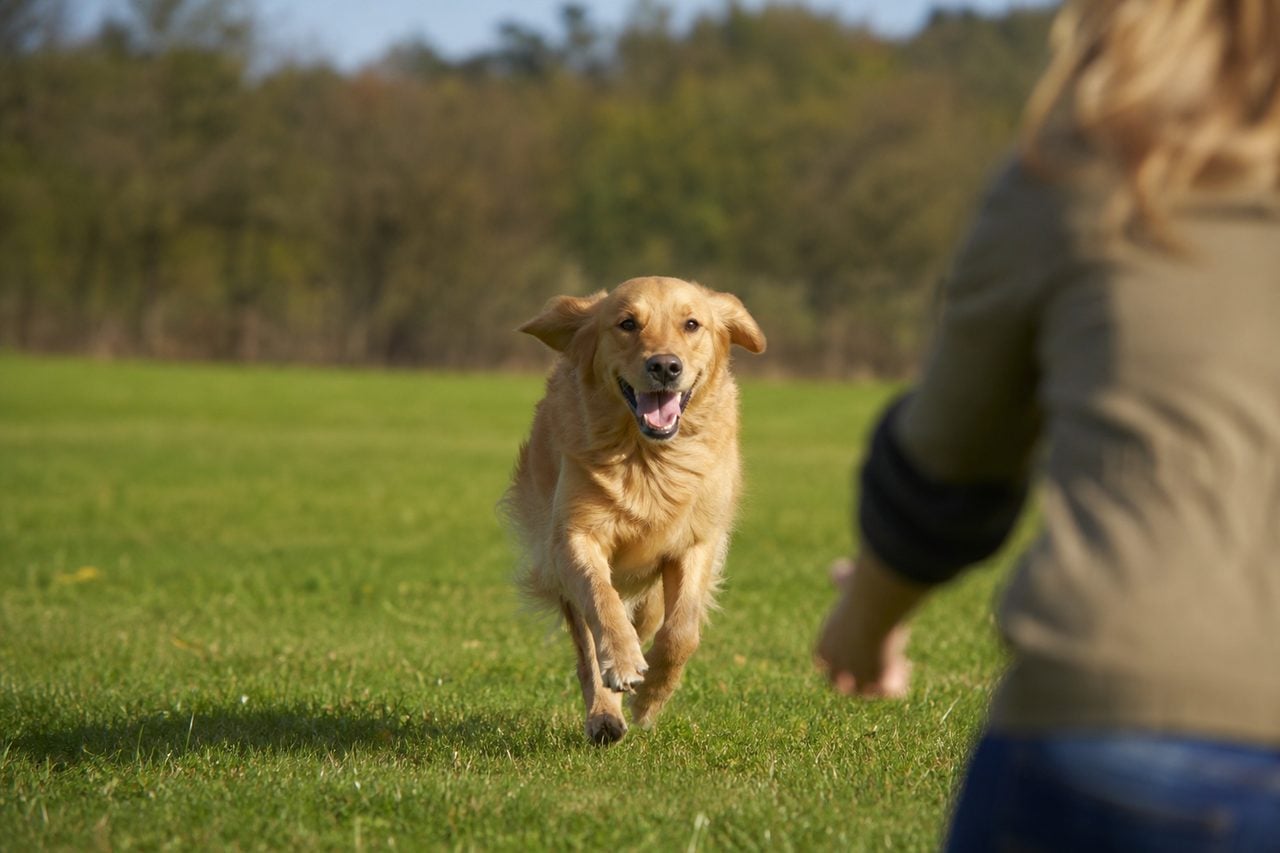
A dog that reliably comes when called and stays close off leash is a joy, and it is one of the most rewarding goals an owner can pursue. But off-leash freedom is a privilege that has to be earned through training and exercised within the law. In metro Detroit, that means understanding not only how to build a rock-solid recall, but also where off-leash activity is actually permitted, because Michigan communities take leash rules seriously and the wrong assumption can get you fined or put your dog in danger.
This guide walks through both halves of the equation for Motor City dog owners: the step-by-step process of training genuine off-leash reliability, and the leash-law realities across the tri-county area of Wayne, Oakland, and Macomb. The specific rules for any given park change and vary by jurisdiction, so the single most important habit is to verify current regulations for each location before you unclip. Consider this educational guidance, and always confirm the posted rules on the ground.
Michigan Leash Law Realities
Before any conversation about off-leash training, you need to understand that off leash is the exception, not the default, across metro Detroit. Michigan state law addresses dogs running at large, and on top of that, individual cities, townships, and counties enforce their own leash ordinances. In practice, the overwhelming majority of public spaces in Wayne, Oakland, and Macomb require dogs to be leashed, and many specify a maximum leash length. Assuming a park allows off leash because it looks empty is a common and costly mistake.
The Huron-Clinton Metroparks system, which includes popular destinations like Stony Creek, Kensington, Hines Park, and Lake St. Clair Metropark, has its own regulations, and dogs are generally required to be leashed throughout the parks except in specifically designated dog areas where those exist. Belle Isle, a state park in the Detroit River, and the Detroit RiverWalk likewise have their own posted rules. The point is not to memorize any single policy but to internalize that rules differ by jurisdiction and by specific park, and that they change.
The practical takeaway is simple and non-negotiable: check the current, posted rules for each specific location before you let your dog off leash, and follow them. Look for signage at the entrance, check the managing agency’s official website, or call the park or local animal control if you are unsure. Legitimate off-leash freedom happens in designated dog parks and fenced off-leash areas, on private property with permission, and in appropriate rural settings, never by quietly ignoring a leash ordinance and hoping no one notices.
Where Off-Leash Is Actually Allowed
The safest and most clearly permitted places for off-leash activity are designated dog parks and fenced off-leash areas. Several communities across the tri-county region maintain fenced dog parks where dogs can legally run and play off leash within an enclosed space. These are ideal for socialization and burning energy, though they are not training grounds for recall, because the chaos, other dogs, and enclosed setup make it hard to practice a real come-when-called and can overwhelm a dog still learning.
For actual off-leash training, a securely fenced private space is the gold standard. A fenced backyard, a friend’s fenced property, or a rentable private dog field, an increasingly popular option where you book a fully enclosed acre or so for your dog alone, lets you practice off-leash skills safely and legally without the risk of your dog bolting into a road or bothering others. The enclosure means a recall failure is a training note, not an emergency.
Beyond fenced areas, genuinely legal open off-leash access in the immediate metro is limited to specific designated zones and private land with permission. Some dog owners travel to state land or rural properties where rules differ, but even there you must confirm the regulations and account for wildlife, hunters in season, and other hazards. The bottom line is that in a dense metro like Detroit, plan your off-leash work around fenced and designated spaces first, and treat any open-area off-leash activity as something to verify carefully rather than assume.
Building a Foundation Before You Unclip
Off-leash reliability is built long before the leash ever comes off. It rests on a foundation of engagement and relationship: your dog needs to genuinely want to check in with you and find you more interesting and rewarding than the environment. That starts with everyday habits, rewarding your dog for voluntarily looking at you, playing together, and being the source of good things, so that attention on you becomes a default rather than a fight against every distraction.
A strong name response and an attention cue come first. Your dog should whip its head toward you when you say its name, every time, in easy settings, before you ever expect it under distraction. Build this with lots of short, upbeat repetitions and high-value rewards. Alongside it, teach a solid “sit” and “down” that hold, and a reliable “stay,” because impulse control and the ability to pause are what let a dog resist the pull of a squirrel or another dog.
Layer in duration, distance, and distraction gradually, and only in that order. Get the behavior solid at home with no distractions, then add mild distractions, then more distance, then more challenging environments, changing only one variable at a time. Owners get into trouble by jumping straight to hard scenarios: calling a dog off a squirrel at a busy park when the recall has only ever worked in the living room. That is not the dog failing; it is the training skipping steps. Slow, layered proofing is what makes off-leash work hold up when it counts.
Training a Bombproof Recall
Recall, coming when called, is the single most important off-leash skill, and it is worth treating as a lifelong priority. Choose a unique recall word that means “come immediately, something amazing always follows,” and protect it. Never use it for anything unpleasant like nail trims or ending fun at the park, or your dog will learn that the word predicts bad news and will start to hesitate. If you have already poisoned a cue by overusing or misusing it, simply pick a fresh word and start clean.
Build the recall with a generous reward history. In easy settings, call your dog, and when it comes, deliver a genuine jackpot: multiple treats, praise, and play, so that coming to you is the best thing that could possibly happen. Practice hundreds of successful, low-difficulty repetitions before adding difficulty. A long line, a fifteen to thirty foot leash, is your best friend during this phase: it gives your dog the feeling of freedom while guaranteeing you can prevent a failed recall from becoming a dog running loose.
Proof the recall systematically across distractions and locations, always keeping the long line on until the recall is genuinely reliable in that context. Call your dog away from mild distractions first, jackpot heavily, and only raise the stakes when success is consistent. Practice at unexpected moments, reward randomly and generously even for behaviors your dog offers on its own, and occasionally call, reward, and release your dog back to play so that coming does not always mean fun ends. A recall this strong is not built in a weekend; it is a habit reinforced over months and maintained for life.
Proofing, Distractions, and Common Mistakes
The gap between a dog that comes in the backyard and a dog that comes off a rabbit is proofing: deliberately practicing the skill against progressively harder distractions until it holds under real-world pressure. Metro Detroit is full of temptations, from the squirrels and geese around Belle Isle and Hines Park to the joggers and cyclists on the RiverWalk, and a recall that has never been tested against those things will not survive its first encounter with them. Work up to distractions on the long line, keeping every rep a success.
The most common mistake is going off leash too soon. If your dog cannot come reliably on a long line around distractions, it is not ready to be off leash in an unfenced area, full stop. Another frequent error is poisoning the recall cue by calling the dog only when fun is about to end, or worse, punishing a dog that finally comes back after running off. Never scold a dog for coming to you, even if it took too long; from the dog’s perspective you just punished the very act of returning, and it will be slower next time.
Other pitfalls include relying on treats forever without building the behavior into a genuine habit, testing in an unsafe location where a failure means traffic, and mistaking a dog that ignores you at a distance for stubbornness rather than incomplete training. Match your dog to your goals, too: some breeds with strong prey or scent drives may never be fully reliable off leash near certain triggers, and for those dogs a long line in permitted areas is the responsible, honest choice rather than a risky bet on a recall that cannot compete with instinct.
Safety, Etiquette, and When to Get a Pro
Off-leash freedom comes with responsibility to your dog, to other people, and to wildlife. Make sure your dog is microchipped and wearing current ID tags before any off-leash work, so a failed recall does not become a lost dog. Keep vaccinations and parasite prevention current, since off-leash areas mean contact with other dogs and wildlife. Around the Detroit River, Lake St. Clair, and the Metroparks you will also encounter geese, waterfowl, and other wildlife, so factor in prey drive and never let off-leash play disturb animals or other park users.
Etiquette matters as much as skill. Even where off leash is legal, not every dog or person wants to be approached, so a dog that will not recall away from strangers or other dogs is not ready for off-leash public spaces. Always carry a leash, clip up when asked or when you see leashed dogs, and clean up after your dog. In shared spaces, the reputation of all off-leash owners rides on individual behavior, and a single out-of-control dog can lead to tighter restrictions for everyone.
Because Detroit is a large metro with plenty of qualified trainers, you can get professional help tailored to off-leash goals whenever you want to move faster or hit a wall. A good force-free trainer can build reliable recall foundations, troubleshoot a dog that bolts or selectively listens, and honestly assess whether your particular dog is a realistic candidate for off-leash freedom. Look for credentials like CPDT-KA and humane, reward-based methods, and lean on that expertise rather than gambling with an unproven recall in an unfenced space near a road.
Reviewed Off-Leash Dog Training Trainers in Detroit
These reviewed Detroit-area trainers from our directory handle off-leash dog training. Each links to a full profile with specialties, certified credentials, reviews, and contact info:
- Tip Top K9 Sterling Heights Dog Training — 5.0★ (7 reviews)
- K9 Turbo Training — 4.9★ (211 reviews)
- Canine Academy — 4.7★ (48 reviews)
- Off Leash K9 Training — 4.5★ (25 reviews)
- Canine Academy — 4.5★ (8 reviews)
- Dan Morris Dog Training — 4.4★ (118 reviews)
See all Detroit off-leash dog training trainers →
Frequently Asked Questions
Can I let my dog off leash in metro Detroit parks?
Usually not in general park areas. The majority of public spaces across Wayne, Oakland, and Macomb counties require dogs to be leashed, and the Huron-Clinton Metroparks like Stony Creek and Kensington generally require leashes except in specifically designated dog areas where they exist. Legal off-leash activity is centered on fenced dog parks, designated off-leash zones, and private property with permission. Always check the current posted rules for the specific location before you unclip, because regulations vary by jurisdiction and change over time.
Where can I legally train off-leash skills near Detroit?
The safest legal options are securely fenced spaces: your own fenced yard, a friend’s fenced property, a rentable private dog field, or a designated fenced dog park. Fenced areas let you practice off-leash skills without risking your dog bolting into traffic or bothering others, and a recall failure becomes a training note rather than an emergency. Dog parks are better for socialization than recall training, since the chaos makes focused practice difficult. For unfenced open areas, verify the rules carefully first.
What is the most important off-leash skill to train?
A rock-solid recall, coming when called, every time, no matter the distraction. It is the safety net that makes off-leash freedom possible, and it should be treated as a lifelong priority. Build it with a unique recall word that always predicts something wonderful, hundreds of successful low-difficulty repetitions, and a long line during the proofing phase. Never use the recall word for anything unpleasant, and never scold a dog that comes back to you, or you will teach it to hesitate.
How do I know when my dog is ready to be off leash?
Your dog is ready for an unfenced area only when it recalls reliably on a long line around real distractions in that type of environment. If it cannot come off mild distractions like squirrels or other dogs while on a fifteen to thirty foot line, it is not ready to be off leash, full stop. Reliability must be proven under the specific conditions you plan to use, since a recall that works in the backyard often collapses at a busy park until it has been proofed there.
Is a long line the same as letting my dog off leash?
No, and that is exactly why it is so useful. A long line, typically fifteen to thirty feet, gives your dog much of the freedom and feeling of off-leash movement while guaranteeing you can prevent a failed recall from turning into a loose dog. It is the essential bridge between on-leash training and true off-leash reliability, letting you proof recall against distractions safely. Many owners of high-drive dogs use a long line permanently in permitted areas as the responsible choice.
Are some dogs just not suited to being off leash?
Yes, and honesty about this is part of responsible ownership. Dogs with very strong prey or scent drives may never be fully reliable off leash near certain triggers, no matter how much you train, because instinct can override even a well-built recall. For those dogs, using a long line in permitted areas is the safe, honest choice rather than gambling on a recall that cannot compete with their drive. A good trainer can help you assess your individual dog’s realistic off-leash potential.
Related: read our complete off-leash dog training guide or the full Detroit dog training overview.
Ready to find the right off-leash dog training pro in Detroit?