
Off-Leash Dog Training in Muskegon, MI
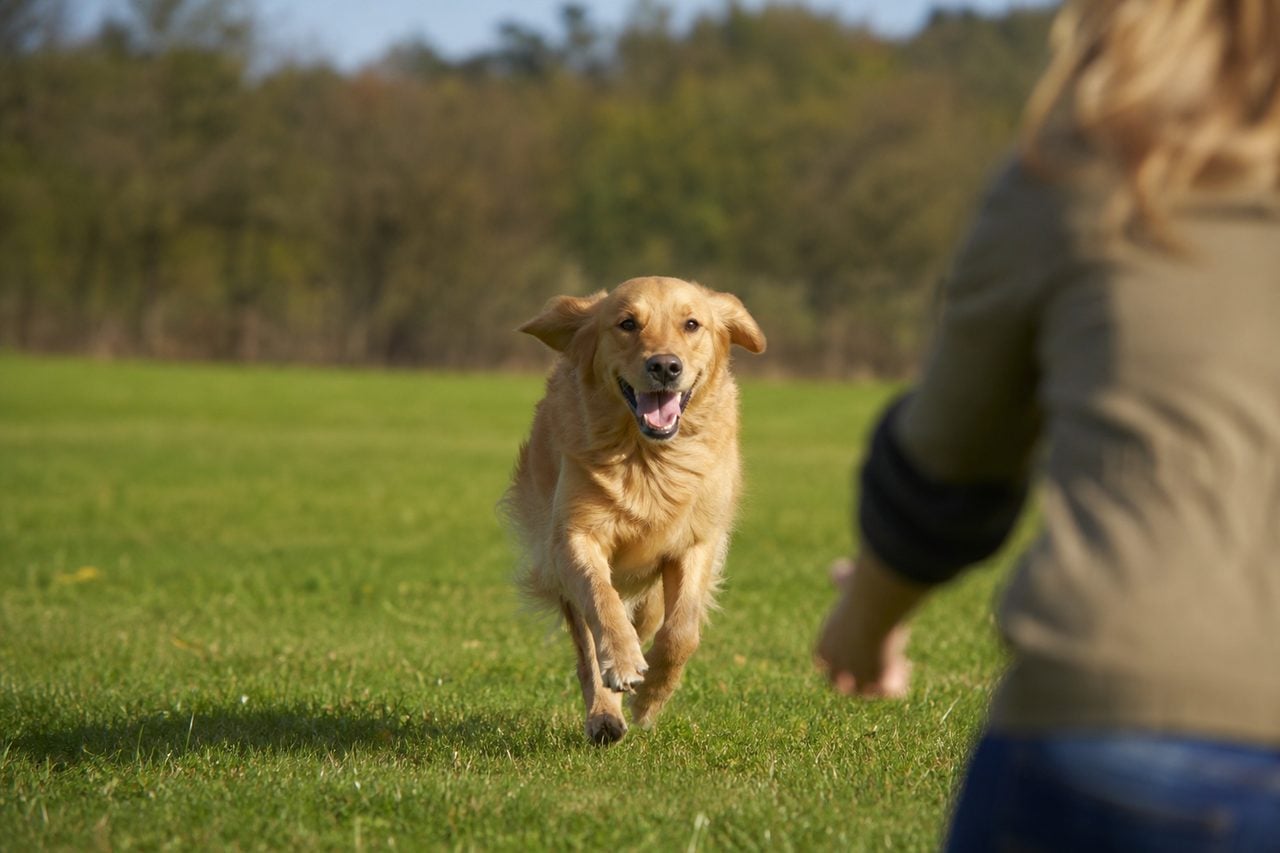
Off-leash reliability is the goal a lot of Muskegon-area dog owners quietly dream about: a dog that stays close on a trail, comes back the first time it is called, and can enjoy open space without a line tethering it to you. Along a lakeshore full of dunes, beaches, and wooded trails, that kind of freedom is genuinely appealing — and genuinely earned, because true off-leash control is one of the most demanding skills you can build with a dog.
It is also widely misunderstood. Off-leash training is not about removing the leash and hoping; it is about building recall, impulse control, and attention so reliable that the leash becomes a backup rather than the only thing keeping your dog safe. That reliability is built in careful stages, on-leash and on long lines, long before a dog is ever trusted loose in an open area.
This guide covers what real off-leash training involves, how to build it safely, where it fits into life on the Muskegon lakeshore, and how to think about local rules and public spaces responsibly. It is written for owners who want the freedom without the risk to their dog, wildlife, or other people.
What off-leash training really means
Off-leash training is the process of building enough reliability into a dog’s recall and self-control that it can be trusted without a physical connection in appropriate settings. The visible result — a dog trotting happily off-leash and returning on command — is the tip of a large foundation. Underneath it sit a rock-solid recall, the ability to hold attention around distractions, and the impulse control to not chase, bolt, or wander even when something tempting appears.
The key word is reliability. A dog that comes back nine times out of ten is not an off-leash dog; the tenth time is the one near a road, a beach crowd, or wildlife. Real off-leash work aims for a recall that holds up under distraction, distance, and excitement, which is why it takes months of consistent building rather than a few sessions. Trainers develop this gradually, proofing the skills against progressively harder distractions in progressively more open environments.
It is worth being honest about which dogs are good candidates and when. Breed tendencies, individual temperament, age, and training history all affect how realistic off-leash reliability is and how long it takes. Strong prey drive, a history of bolting, or high sensitivity to distraction do not make it impossible, but they do change the plan and the timeline. A good trainer assesses your specific dog rather than promising a universal result, and some dogs are best kept on a long line in open areas for their whole lives — which is a perfectly responsible outcome, not a failure.
The foundation: recall and impulse control
Everything in off-leash training rests on recall — the dog returning to you promptly and completely when called. Building a reliable recall starts close, in low-distraction settings, with the return heavily rewarded so coming back is always the best available choice. The recall word is protected: it is only used when you can make it happen, so the dog never learns that it can ignore it.
From that base, training layers in difficulty deliberately. Distance grows, distractions increase, and the dog practices returning away from interesting things — another dog, a scent, a squirrel — not just in an empty room. Impulse control exercises run alongside recall: teaching a dog to wait, to leave something alone, and to check in with you on its own build the self-management that off-leash freedom requires. A dog that naturally glances back to find you is far safer loose than one that locks onto the horizon and forgets you exist.
The long line is the central tool of this stage. A long lead — often fifteen to fifty feet — lets a dog experience freedom and distance while you retain the ability to prevent a failed recall from becoming a rehearsed one. Every time a dog ignores a call and gets away with it, the recall weakens; the long line prevents that. Trainers use it to bridge the gap between on-leash control and genuine off-leash reliability, only dropping the line and eventually removing it once the dog is consistently choosing to return under real distraction.
This stage cannot be rushed. Owners who remove the leash too early, before the recall is proofed, often set their progress back — because a dog that learns it can blow off a recall in an open field is harder to fix than one that never got the chance. Patience here is what makes the freedom possible later.
Building reliability step by step
Reliable off-leash behavior comes from a staged progression, and understanding the stages helps you know where your dog actually is rather than where you wish it were. Skipping ahead is the most common mistake, so it helps to see the path clearly.
- Stage one — foundation on-leash: recall, attention, and impulse control taught in quiet, controlled settings with high rewards and few distractions.
- Stage two — the long line: the same skills practiced at distance and with growing distraction, using a long lead so a missed recall can always be prevented.
- Stage three — proofing: deliberately rehearsing recall and control around the specific distractions your dog struggles with — other dogs, wildlife scents, joggers, water — still on the long line until responses are consistent.
- Stage four — controlled off-leash: testing freedom in safe, enclosed, or low-risk areas, with the ability to fall back on management if the dog struggles.
- Stage five — maintenance: continuing to practice for life, because off-leash reliability decays without upkeep.
Each stage should be solid before moving to the next, and dogs often move at different speeds through different stages. A dog might be reliable around joggers but not around other dogs, which simply means more proofing where it is weak. The honest measure of readiness is not how well the dog does on a good day but how it responds on a hard one — and until that is dependable, the long line stays on. Working with a trainer through this progression is especially valuable because an experienced eye can tell the difference between a dog that is genuinely ready and one that has just been lucky so far.
Off-leash on the Muskegon lakeshore
The Muskegon area gives off-leash-trained dogs plenty to enjoy and plenty to test them. Wooded trails through the inland townships toward Twin Lake and Nunica, the dunes and forest at P.J. Hoffmaster State Park, the open space around Muskegon State Park, and the Lake Michigan beaches all present different challenges — wildlife, water, other dogs, cyclists, and, in the warm months, large crowds. Each of those is a distraction your dog’s recall has to beat, and each is a good reason to proof carefully before trusting freedom.
Availability of dedicated off-leash training help is limited right along the lakeshore, so some families look to the wider region — including trainers around Grand Rapids — when they want structured guidance through the full progression. Wherever you get help, the local environment should shape your plan: a dog that is reliable on a quiet spring trail near Montague still needs proofing before a busy summer beach day, because the distraction level is completely different.
Water deserves special attention here. Lake Michigan’s shoreline is beautiful and dangerous in equal measure, with currents and drop-offs that make a reliable recall genuinely a safety issue, not a convenience. If beach access is part of your goal, build and test recall around water deliberately and conservatively. The same goes for wildlife on the dune trails — a dog with strong prey drive needs extra proofing before it is trusted loose where deer, small mammals, and shorebirds are common.
Know the local rules and share space responsibly
Off-leash freedom comes with real responsibilities, and the first is knowing where it is actually permitted. Leash requirements are set by local ordinances and by the rules of individual parks and recreation areas, and they vary from place to place — a spot that allows off-leash access, a designated dog area, and a beach or trail that requires a leash can all sit within a short drive of each other. Do not assume; check each park’s and each municipality’s rules before letting your dog off-leash, and treat posted signs as the authority on any given property.
State parks such as P.J. Hoffmaster and Muskegon State Park, city and county parks, and beach areas each have their own regulations, and those can change seasonally. The responsible approach is simple: confirm the current rules for the specific place you plan to visit, respect any designated off-leash versus on-leash zones, and default to a leash or long line wherever off-leash is not clearly allowed. A well-trained dog that is off-leash where it should not be is still a problem — for you, for wildlife, and for the reputation of dog owners who want these spaces to stay welcoming.
Sharing space well goes beyond the letter of the rules. Even where off-leash is permitted, keep your dog under genuine control, recall it before it approaches other people or dogs uninvited, and clean up after it. Wildlife protection matters especially on dune and beach habitats, where nesting birds and fragile ecosystems can be disturbed by a loose dog. The freedom you have worked to earn is easiest to keep when every off-leash owner uses it thoughtfully.
Common mistakes and how to avoid them
Most off-leash setbacks trace back to a handful of avoidable errors. The biggest is going off-leash too soon — removing the line before recall is genuinely proofed, usually because the dog looked good in an easy setting. The fix is discipline: keep the long line on until the dog reliably returns under the distractions you actually encounter, and be honest about hard days versus good days.
A second common mistake is poisoning the recall word. If a dog only gets called to be leashed up and taken home, or to be scolded, the word starts to predict the end of fun and the dog gets slower to respond. Keep recall rewarding — sometimes call your dog, reward it, and release it back to play — so returning is never a punishment. Never call a dog to you and then do something it dislikes without balancing it with plenty of positive recalls.
Other frequent pitfalls include practicing only in one location, so the dog never learns to generalize; letting failed recalls go uncorrected, which teaches the dog that ignoring you works; and stopping practice once the dog seems reliable, which lets the skill decay. Off-leash reliability is a maintained skill, not a finished one. Keep a long line handy for refreshers, keep rewards in the picture, and keep practicing in varied places — a trail near Grand Haven one week, a quieter inland path the next — so the behavior stays strong across the different environments the lakeshore offers.
Finally, resist comparing your dog to someone else’s. Off-leash readiness is individual, and a dog that needs a long line for life in open areas is being managed responsibly, not failing. The goal is safety and freedom in the settings that fit your particular dog, not a specific milestone by a specific date.
Getting started with a trainer
Because off-leash reliability is a long build with real safety stakes, working with a professional is often worth it — especially for guidance through proofing, where an experienced trainer can read your dog honestly and tell you whether it is truly ready for more freedom. A good trainer starts by assessing your specific dog: its recall baseline, distraction tolerance, prey drive, and history, then maps out a realistic progression rather than promising a fixed timeline.
When choosing help, look for someone who explains the staged approach clearly, uses long lines and proofing rather than shortcuts, and is candid about what off-leash freedom will and will not look like for your dog. Ask how they build recall, how they decide when a dog is ready to progress, and how they handle setbacks. A trainer who talks about lifelong maintenance and management options — not just a graduation day — is thinking about your dog realistically.
Given the limited local specialty availability, be prepared to look across the region for the right fit, and factor in how you will keep practicing between sessions since the real work happens in your day-to-day outings. Whether you train largely on your own with periodic professional guidance or work through a full program, the fundamentals hold: build the foundation patiently, proof against real distractions, respect local rules, and treat the long line as a tool that buys freedom rather than limits it. Done well, off-leash training gives you and your dog the run of the lakeshore — safely, and for years.
Off-Leash Dog Training in Muskegon: Local Options & Nearest Specialists
Right now there are no listed Muskegon trainers focused specifically on off-leash dog training. Many general Muskegon dog trainers handle milder cases, and for anything serious the nearest specialists are below.
Nearest off-leash dog training specialists — Grand Rapids
For complex cases, some families travel to the larger pool of specialists in the Grand Rapids area for an assessment or a board-and-train stay. Top-reviewed options:
- Full Spectrum Dog Training — 5.0★ (68 reviews)
- Follow The Leader Dog Training and Rehabilitation LLC — 4.9★ (12 reviews)
See all Grand Rapids off-leash dog training trainers →
Frequently Asked Questions
How long does it take to train a dog to be reliable off-leash?
It usually takes months of consistent work, not a few sessions, because off-leash reliability rests on a proofed recall and strong impulse control built in stages. Timelines vary widely by the dog’s temperament, prey drive, age, and history. The honest measure is not how the dog does on an easy day but how it responds under real distraction — and until that is dependable, the long line stays on. Some dogs reach full off-leash reliability; others are best managed on a long line for life, which is responsible, not a failure.
When is it safe to take the long line off?
Only once your dog reliably returns under the specific distractions it will actually face — other dogs, wildlife, joggers, water — not just in a quiet, empty setting. The long line lets you prevent a failed recall from becoming a rehearsed habit, so removing it too early is the most common setback. Progress through proofing first, test freedom in safe, low-risk areas, and be ready to fall back on the line if the dog struggles. An experienced trainer can help you judge genuine readiness versus luck.
Where can I let my dog off-leash around Muskegon?
Leash rules are set by local ordinances and by each park’s own regulations, and they vary from place to place and season to season — a designated dog area, an off-leash-friendly spot, and a leash-required beach or trail can all be near each other. Always check the current rules for the specific park or municipality before letting your dog off-leash, and treat posted signs as the authority. State parks like P.J. Hoffmaster and Muskegon State Park, plus city and county parks, each have their own rules, so confirm rather than assume.
My dog comes back most of the time. Is that good enough for off-leash?
Not for true off-leash freedom in open areas. A dog that returns most of the time is not reliable, because the times it fails tend to be the high-stakes ones — near a road, a crowd, or wildlife. Real off-leash work aims for a recall that holds up under distraction, distance, and excitement. If your dog is inconsistent, keep it on a long line and continue proofing where it is weak until the response is dependable, rather than gambling on the odds in a risky setting.
Is off-leash training realistic for every dog?
No, and that is fine. Breed tendencies, individual temperament, prey drive, age, and history all affect how realistic and how fast off-leash reliability is. Strong prey drive or a history of bolting does not make it impossible, but it changes the plan and the timeline, and some dogs are best kept on a long line in open areas permanently. A good trainer assesses your specific dog and sets honest expectations rather than promising a universal result. Safe management is a legitimate, responsible outcome.
How do I keep my dog's recall from getting worse over time?
Treat recall as a maintained skill, not a finished one. Keep it rewarding — sometimes call your dog, reward it, and release it back to play so returning never predicts the end of fun. Practice in varied locations so the behavior generalizes, from a trail near Grand Haven to a quieter inland path. Keep a long line handy for refreshers, never let failed recalls go uncorrected, and keep practicing even after the dog seems reliable. Consistent upkeep is what prevents the skill from quietly decaying.
Related: read our complete off-leash dog training guide or the full Muskegon dog training overview.
Ready to find the right off-leash dog training pro in Muskegon?