
Puppy Socialization in Cleveland, OH
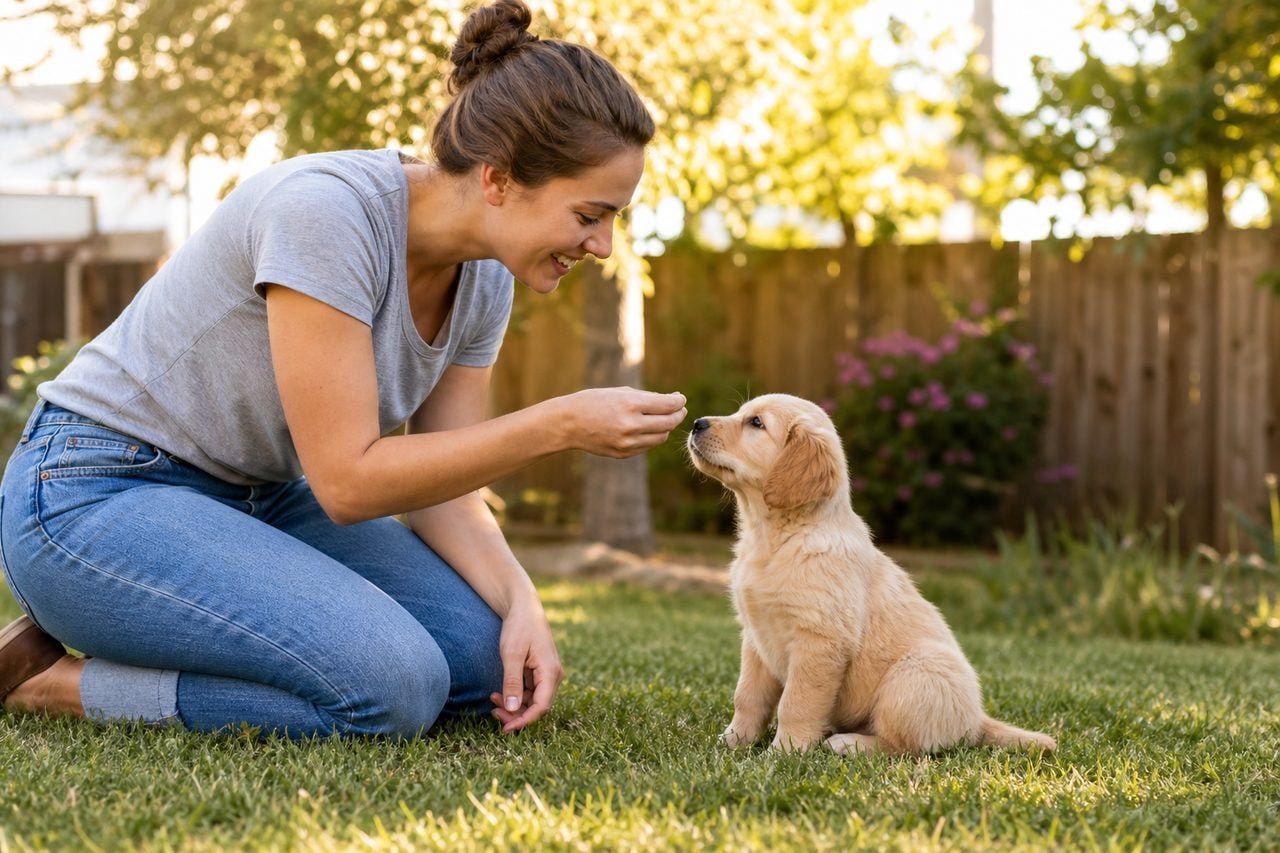
Bring a new puppy home anywhere from Tremont to Bay Village and you quickly learn that Cleveland is two different worlds depending on the calendar. For roughly half the year, the lakefront and the Metroparks are an embarrassment of riches — the Towpath Trail, Edgewater Park, the Rocky River Reservation, and a dozen patios in Ohio City where a friendly pup is practically a social currency. Then November rolls in off Lake Erie, the lake-effect snow machine switches on, and a fourteen-week-old puppy can go three weeks without meeting a single new dog or stranger. That seasonal whiplash is the single biggest reason Cleveland puppies need a deliberate socialization plan rather than a “we’ll get to it” approach.
- Why the Socialization Window Hits Different in Cleveland
- What Real Puppy Socialization Actually Covers
- Puppy Socialization Formats Available Around Cleveland
- What Makes a GOOD Puppy Socialization Program
- Puppy Socialization Costs in Cleveland
- Common Puppy Socialization Mistakes Cleveland Owners Make
- Reviewed trainers
- FAQ
The geography matters too. A puppy being raised in a Lakewood double or a downtown apartment is going to encounter elevators, bus brakes, RTA rail rumble, and crowded sidewalks — an entirely different sensory diet than a puppy in Strongsville or Medina who needs structured exposure to other dogs and to traffic it won’t see on a quiet cul-de-sac. Owners in Shaker Heights and Cleveland Heights tend to walk dense, tree-lined streets where leashed greetings happen constantly, while Mentor and the eastern lakeshore families often drive everywhere, meaning their puppy’s exposure has to be engineered on purpose. There is no one-size socialization checklist that fits the whole metro.
And the clock is unforgiving. The prime socialization window closes around sixteen weeks — which, for a puppy who comes home in December or January, lands squarely in the darkest, coldest, snowiest stretch of a Northeast Ohio winter. That collision between the developmental deadline and Cleveland’s climate is exactly why local trainers who specialize in early puppyhood — places like Koena K9 in North Olmsted, Cold Nose Companions Dog Training out of Chardon, and The Dog Wizard Westlake — build their puppy programs around getting safe, controlled exposure done before the weather and the window both close. This guide walks through what real puppy socialization looks like in Cleveland, what it should cover, what it costs, and the mistakes that bite local owners hardest.
Why the Socialization Window Hits Different in Cleveland
Socialization isn’t obedience and it isn’t play — it’s the process of teaching a puppy that the world is safe and predictable before its brain locks in a default of “new things are scary.” Behaviorists put the sensitive period at roughly three to sixteen weeks, with the most pliable stretch ending around twelve to fourteen. Whatever a puppy hasn’t calmly experienced by then takes far more work to introduce later, and some of it never fully takes.
In a milder climate you can coast on incidental exposure. In Cleveland you cannot, and here’s the math: a puppy that comes home at eight weeks in mid-November has its entire critical window land between Thanksgiving and Valentine’s Day — the precise weeks when sidewalks are sheets of ice, the wind off the lake makes a five-minute walk miserable, and most owners are hibernating. Left to chance, that puppy meets almost nothing new during the most important developmental month of its life.
The lake-effect problem, made concrete
- Snowbelt geography: Eastern suburbs like Chardon, Chesterland, and the Chagrin Valley sit directly in the lake-effect snowbelt and routinely get double the snowfall of the West Side. A Chardon puppy’s winter is dramatically more housebound than a Rocky River puppy’s.
- Salt and slush: Treated sidewalks downtown and in Lakewood mean sensitive paws and a puppy that learns to hate going outside — an avoidance pattern that bleeds into fear of the leash itself.
- The “summer puppy” trap: A June puppy gets effortless socialization at Edgewater and the Metroparks, then hits its first winter at six months old already shy — because nobody kept up the exposure once it stopped being easy.
What this means for you
If your puppy’s window falls in winter, you have to manufacture exposure indoors and in controlled settings: puppy classes, sniffari trips to dog-friendly stores, car rides, handling practice. If it falls in summer, your job is to bank a wide variety of experiences and deliberately rehearse winter realities (slippery floors, boots, snow, bundled-up strangers) so the first blizzard isn’t a brand-new trauma.
What Real Puppy Socialization Actually Covers
The biggest misconception in Cleveland (and everywhere) is that socialization means “let my puppy play with as many dogs as possible.” Dog-dog play is one slice of it — and an overdone one can actually create a leash-frustrated dog that loses its mind at every other dog on a Lakewood sidewalk. Good socialization is broad, calm exposure across many categories, with the puppy staying under threshold the whole time.
The five buckets a Cleveland puppy needs to cover
- People variety: Men with beards and hats, kids, people in winter coats and hoods, wheelchairs and walkers, delivery drivers. Winter hides faces — deliberately introduce bundled-up humans.
- Surfaces and environments: Snow, ice-melt grit, metal grates downtown, hardwood and tile, the rumble of an RTA platform, the parking garage at Crocker Park or Legacy Village.
- Sounds: Browns-Sunday crowd noise, fireworks (the lakefront in July is relentless), snow blowers, lake wind howling, garbage trucks.
- Handling and husbandry: Paws touched (critical for winter salt-wiping), ears, mouth, nail trims, brushing — so future vet and groomer visits aren’t battles.
- Calm dog exposure: Neutral, stable adult dogs and well-run puppy classes — not a free-for-all dog park, which is genuinely the worst place to socialize a young puppy.
The vaccination question every Cleveland vet hears
Owners often freeze their puppy at home until the full shot series is done around sixteen weeks — and by then the window has slammed shut. The modern veterinary consensus (AVSAB) is to socialize during the vaccine series, just smartly: skip dog parks and high-traffic pet-store floors, choose clean class facilities that require proof of first vaccines, carry the puppy through risky areas, and prioritize controlled exposures. The behavioral risk of an under-socialized adult dog statistically outweighs the disease risk of careful early outings. Any good Cleveland puppy program will already operate this way.
Puppy Socialization Formats Available Around Cleveland
The metro offers a real spread of formats, and the right one depends heavily on where you live and how your puppy is wired. A confident Strongsville Lab puppy and a soft, spooky rescue mix in a Tremont apartment need very different on-ramps.
Structured puppy classes (puppy kindergarten)
The gold standard for most owners. Small groups, off-leash play in short supervised bursts, plus handling and foundation cues. Facilities like Dog Training Elite Northeast Ohio in Highland Heights, Dog Training Elite Greater Cleveland in North Olmsted, and The Dog Wizard Westlake run cohort-based puppy classes that are ideal for West Side and East Side families alike. The cohort structure also gets winter puppies indoor dog exposure when outdoor options are frozen.
Private in-home socialization coaching
Best for nervous puppies, for downtown/Ohio City owners juggling apartment logistics, or for families who want a tailored exposure plan. A trainer like Cold Nose Companions or Pawsitive Play Dog Training in Columbia Station can build a week-by-week checklist mapped to your specific neighborhood — RTA noise for a downtown dog, suburban traffic for a Medina dog.
Puppy social hours and supervised playgroups
Drop-in style, lighter on training, heavier on calm play under staff supervision. Useful as a supplement, dangerous as a sole strategy if the supervision is loose and bigger puppies steamroll a shy one.
Board-and-train (use with real caution for puppies)
Some Cleveland facilities offer puppy board-and-train. For pure socialization this is usually the wrong tool — a young puppy needs you learning to handle it in your real environments, not three weeks away in a kennel. There are exceptions for specific obedience goals, but socialization is the owner’s job to facilitate.
What Makes a GOOD Puppy Socialization Program
The puppy training market in Northeast Ohio ranges from outstanding to genuinely harmful. A young puppy is fragile; one bad experience at the wrong age can plant a fear that takes years to undo. Here’s how to tell a real program from a daycare with a marketing budget.
Green flags
- Small, age-matched groups with play broken into short bursts and frequent “consent” check-ins, not a chaotic open free-for-all.
- Vaccination requirements for entry — proof of first shots and deworming — which protects your puppy and signals the facility is serious.
- Reward-based, force-free methods. For puppies this is non-negotiable; aversive tools (prong collars, e-collars, “corrections”) on a developing puppy risk creating exactly the fear and aggression you’re trying to prevent.
- Owner education built in. The trainer should be teaching you the week-by-week exposure plan, because 95% of socialization happens on your own time.
- A clean, climate-controlled indoor space — in Cleveland, this is what keeps a winter puppy’s program from stalling for four months.
Red flags
- “Just bring them to the dog park” as the core advice — the fastest route to a reactive or bullied puppy.
- Large mixed-age, mixed-size playgroups with one overwhelmed handler.
- Any flooding approach — forcing a scared puppy to “face its fear” instead of building confidence gradually.
- No vaccination policy (a disease risk and a professionalism tell).
Credentials worth looking for
CPDT-KA certification, AKC S.T.A.R. Puppy program offerings, Fear Free or Karen Pryor Academy training, and membership in the APDT all signal a trainer who keeps up with current science. Several of the highly-reviewed Cleveland-area outfits — Koena K9, Right Way K9 Training in Berea, and Paws of Pride in Chardon — carry strong local reputations and large review counts you can actually read through before committing.
Puppy Socialization Costs in Cleveland
Cleveland sits below the coastal-metro price ceiling, so puppy socialization here is genuinely affordable compared to Chicago or the East Coast — though the gap between a budget group class and intensive private coaching is wide. Here’s what owners across the metro are actually paying in 2026.
Typical price ranges
- Group puppy class (4–6 week course): $150–$300 total, the most common entry point. West Side and suburban facilities cluster around $175–$250.
- Single drop-in puppy social hour: $15–$30 per session, often bundled into daycare punch cards.
- Private in-home socialization session: $90–$175 per visit, with multi-session packages running $400–$900. Downtown and east-suburb travel can nudge the higher end.
- Puppy “starter” packages (combining socialization with foundation obedience): $500–$1,200 depending on number of sessions and facility.
- Puppy board-and-train (where offered): $1,500–$3,500+ for two to four weeks — again, rarely the right call for socialization specifically.
What drives the price
- Private vs. group: the single biggest factor — one-on-one coaching costs 3–5x a group seat.
- Location: Shaker Heights, Beachwood, and Rocky River trainers tend to price slightly above Parma or Brunswick.
- Facility quality: a clean indoor training floor (essential in winter) costs more than a church-basement class.
- Trainer credentials: CPDT-KA and Fear Free certified trainers command a premium and are usually worth it for a puppy.
For most Cleveland families, a $175–$275 group puppy course plus diligent owner-led exposure is the sweet spot. Reserve private coaching for genuinely fearful puppies or complicated apartment/downtown logistics.
Common Puppy Socialization Mistakes Cleveland Owners Make
After years of watching Northeast Ohio puppies grow up, the same avoidable errors show up over and over — several of them tied directly to the local climate and geography.
The winter stall
By far the most common: a December or January puppy gets housebound through its critical window, and by spring the owner has a four-month-old that’s terrified of strangers, surfaces, and other dogs. The fix is to commit to indoor classes and car-based outings through winter — the window doesn’t pause for snow.
Treating the dog park as socialization
The dog parks around the Metroparks and the suburbs are great for adult dogs with solid social skills and terrible for puppies. One rough encounter with a pushy adult dog can install a lifelong reactivity that you’ll later be paying a behaviorist to unwind.
Over-indexing on dog play, ignoring everything else
- Puppies that only meet other dogs become leash-frustrated adults who scream at every dog on a Tremont sidewalk.
- Neglecting handling means winter paw-wiping and nail trims become wrestling matches.
- Skipping sound and surface exposure means the first snow blower or icy metal grate downtown causes a genuine fear response.
Waiting for “all the shots”
The single most damaging myth. Keeping a puppy isolated until sixteen weeks throws away the entire window. Socialize safely during the vaccine series.
Flooding a fearful puppy
Forcing a scared puppy into the middle of a noisy West Side Market crowd or a packed patio “to get it used to it” usually deepens the fear. Exposure has to stay below the puppy’s stress threshold — calm, brief, and rewarded.
Reviewed Puppy Socialization Trainers in Cleveland
These reviewed Cleveland-area trainers from our directory handle puppy socialization. Each links to a full profile with specialties, verified credentials, reviews, and contact info:
- Dog Training Elite Northeast Ohio Facility — 5.0★ (104 reviews)
- Koena K9 — 5.0★ (89 reviews)
- The Dog Wizard Westlake — 5.0★ (86 reviews)
- Right Way K9 Training — 5.0★ (82 reviews)
- Paws of Pride, LLC — 5.0★ (56 reviews)
- Pawsitive Play Dog Training — 5.0★ (33 reviews)
- Diana’s Doghouse — 5.0★ (27 reviews)
- New Era Dog Training — 5.0★ (26 reviews)
- AB Dog Training, LLC — 5.0★ (23 reviews)
- The Grateful Dog LLC — 5.0★ (14 reviews)
See all Cleveland puppy socialization trainers →
Frequently Asked Questions
My puppy came home in December — is it too late to socialize it through a Cleveland winter?
Not if you act now. Cold weather makes it harder, not impossible. Enroll in an indoor puppy class (Highland Heights, North Olmsted, and Westlake all have climate-controlled facilities), do car rides to dog-friendly stores, practice handling and surfaces at home, and bundle in short outings on milder days. The window closes around sixteen weeks regardless of the forecast, so the cost of waiting for spring is permanent. Manufacture the exposure indoors.
Is the dog park a good place to socialize my Cleveland puppy?
No — this is the most common and most damaging mistake. The Metroparks-area and suburban dog parks are unpredictable: one pushy or overstimulated adult dog can scare a young puppy badly enough to create lifelong reactivity. Until your puppy is older and socially confident, choose structured puppy classes and supervised playgroups where dogs are matched by age and size and a trainer is actively managing the interactions.
How much does puppy socialization cost in the Cleveland area?
A 4–6 week group puppy class runs about $150–$300 total, which is the right starting point for most families. Private in-home socialization coaching runs $90–$175 per session, useful for fearful puppies or downtown/apartment logistics. Drop-in puppy social hours are $15–$30 each. For most owners, a group course plus diligent at-home exposure is the best value.
Should I socialize my puppy before it's fully vaccinated?
Yes — carefully. Modern veterinary guidance (AVSAB) is to socialize during the vaccine series rather than wait until sixteen weeks, because the behavioral harm of isolation outweighs the disease risk of smart, controlled exposure. Avoid dog parks and high-traffic pet-store floors, choose clean class facilities that require proof of first vaccines, carry your puppy through risky areas, and prioritize people, sounds, surfaces, and handling. Confirm any program’s vaccination policy before enrolling.
Does where I live in the metro change how I should socialize my puppy?
Significantly. A downtown, Ohio City, or Tremont puppy needs deliberate exposure to elevators, RTA noise, crowds, and metal grates — things it’ll face daily. A Strongsville, Medina, or Mentor puppy living on a quiet street needs engineered exposure to other dogs, traffic, and busy environments it won’t encounter at home. And snowbelt-area owners (Chardon, the Chagrin Valley) should lean harder on indoor classes given the heavier winter. A good local trainer will tailor the exposure plan to your actual neighborhood.
Related: read our complete puppy socialization guide or the full Cleveland dog training overview.
Ready to find the right puppy socialization pro in Cleveland?