
Off-Leash Dog Training in Port Huron, MI
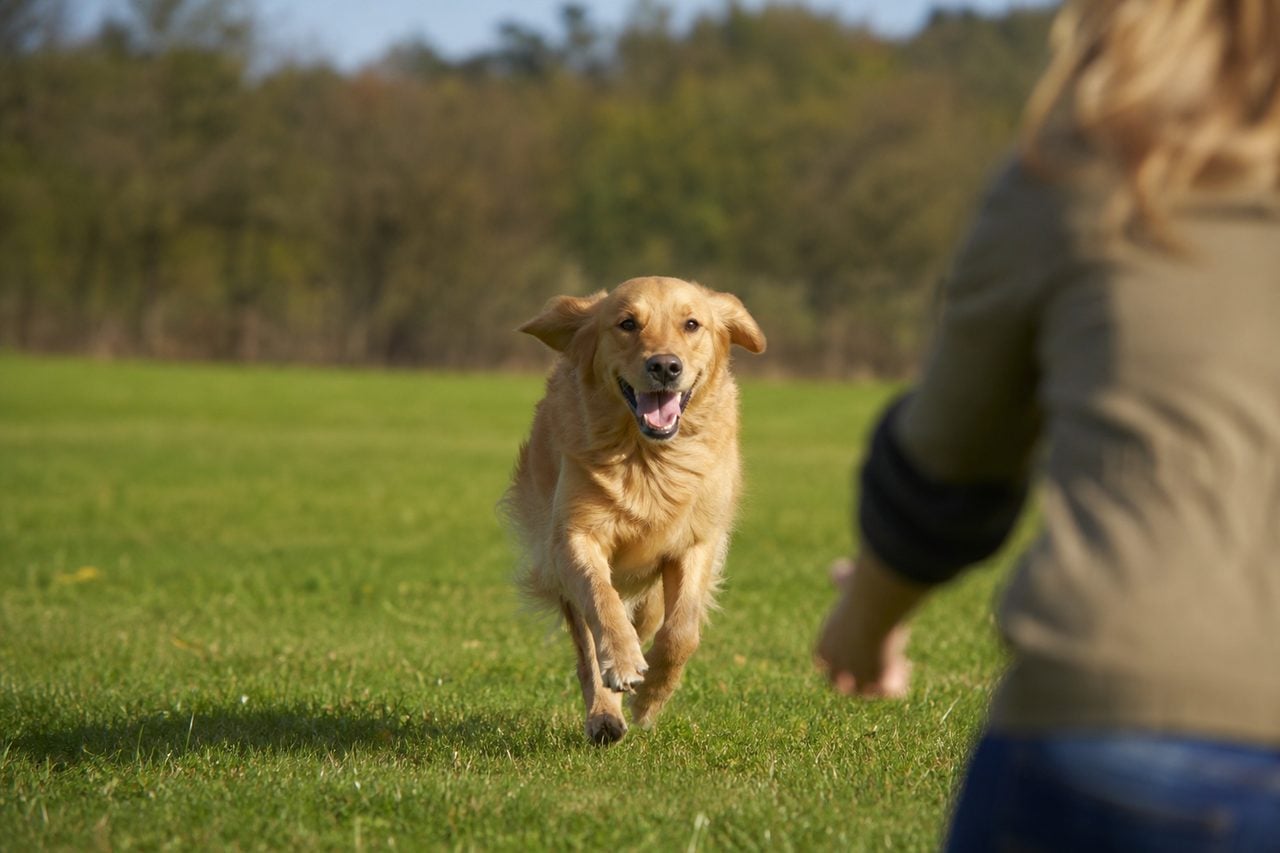
A dog that comes back the instant you call it, no matter what, is one of the great joys of dog ownership, and it opens up a different kind of life in the Blue Water Area, from quiet stretches of the Wadhams-to-Avoca rail-trail to the open shoreline near Lakeport State Park. But reliable off-leash behavior is not something that just happens; it is the product of careful, staged training built on a rock-solid recall. Getting there safely takes patience, the right foundations, and honest judgment about your individual dog and the places you plan to use.
- Reliable Recall Is the Foundation of Off-Leash Freedom
- Foundation Skills Before You Unclip the Leash
- Where E-Collar Work Fits, and Where It Does Not
- Practicing Safely on Quiet Local Trails
- A Realistic Timeline and Progression
- Common Mistakes That Undermine Off-Leash Training
- When to Get Professional Help
- Reviewed trainers
- FAQ
This guide covers what it actually takes to build a dependable recall, where remote-collar (e-collar) work does and does not belong in the process, and how to practice responsibly on quiet local trails around Port Huron. It is written for owners who want their dog to have real freedom without putting the dog, wildlife, other trail users, or drivers at risk.
One important local note up front: Michigan does not have a single statewide leash law that governs every park and trail. Instead, leashing requirements are set by local ordinances across the Port Huron area and vary by municipality and by individual park or trail. Off-leash freedom is a privilege that depends on both your dog’s reliability and the rules of the specific place you are in, so always check and follow the local rules wherever you go.
Reliable Recall Is the Foundation of Off-Leash Freedom
Before a dog earns any off-leash privileges, it needs a recall that works under real-world distraction, and that is a much higher bar than a dog that comes when called in the living room. A truly reliable recall means your dog turns and returns to you promptly even when it is chasing a squirrel near the Blue Water River Walk, greeting a person on the rail-trail, or investigating something fascinating in the brush along the Thumb shore. Building that takes deliberate, progressive training.
Good recall training generally follows a progression:
- Start indoors with zero distractions. Teach the dog that coming to you on a specific word is the best thing that ever happens, using enthusiastic praise and high-value rewards every single time.
- Add mild distractions gradually. Move to the backyard, then a quiet area, slowly increasing difficulty only as the dog succeeds.
- Use a long line. A fifteen- to thirty-foot lightweight long line lets the dog experience more freedom while you retain a safety connection and can prevent failed recalls from being rehearsed.
- Proof against real distractions. Practice around other dogs, people, and wildlife at a distance the dog can handle, building up over many sessions.
Two rules protect a recall from being poisoned. First, make coming to you always rewarding; never call your dog to you and then do something it dislikes, such as ending playtime abruptly or trimming nails, without softening it. Second, do not call your dog if you cannot enforce or reward the recall, because every ignored cue teaches the dog that the word is optional. A recall is only as strong as its weakest rehearsals.
Foundation Skills Before You Unclip the Leash
Recall is the centerpiece, but a dog ready for off-leash freedom needs a broader set of skills and, just as important, a relationship in which it genuinely wants to stay connected to you. Unclipping the leash on a dog that lacks these foundations is how dogs end up lost, in the road, or in trouble with wildlife or other trail users.
Beyond a strong recall, useful off-leash foundations include:
- Check-ins. A dog that naturally glances back and orients to you as it explores is far safer than one that forges ahead oblivious. You can build this by rewarding voluntary check-ins generously.
- A solid stop or down at a distance. Being able to stop your dog in place with a cue is a critical safety brake if it heads toward a road, a cliff edge, or another dog.
- Impulse control. A dog that can leave food, wait at thresholds, and disengage from tempting distractions is far more manageable off leash.
- Engagement and a strong relationship. The dogs that do best off leash are the ones that find their handler genuinely rewarding and choose to stay near even when free.
It also helps to be honest about your specific dog. Breed tendencies, individual temperament, prey drive, and age all matter. A dog with a very strong drive to chase wildlife may never be a candidate for full off-leash freedom in areas with deer, rabbits, or waterfowl, and that is a legitimate outcome. A well-fitted long line offers most of the enrichment of off-leash exploration with none of the risk, and for some dogs it is simply the right long-term tool.
Where E-Collar Work Fits, and Where It Does Not
Remote collars, commonly called e-collars, are one of the most debated tools in dog training, and any responsible discussion of off-leash work has to address them honestly. An e-collar delivers a remote signal, often a mild electrical stimulation, a vibration, or a tone, that a handler can trigger from a distance. Views among professionals range widely, and this guide takes a cautious, informed position rather than promoting or condemning the tool wholesale.
A few things are worth stating clearly. First, an e-collar is not a shortcut around foundation training. It cannot install a recall in a dog that does not already understand and want to come when called. The dogs that use remote collars most successfully already have a solid, reward-based recall in place; the collar becomes a way to communicate at distance, not the source of the behavior. Second, if a remote collar is used at all, proper conditioning matters enormously: introduced correctly, at the lowest effective level, paired with clear communication and rewards, so the dog understands what is being asked rather than simply being startled or hurt.
Just as important is where the tool does not belong. E-collars are a poor and potentially harmful choice for fearful, anxious, or aggressive dogs, where adding an aversive can deepen the underlying problem. They are widely considered unsuitable in the hands of an untrained owner using them by guesswork, because misuse can cause fear, confusion, or reactivity. For these reasons, if remote-collar work is on the table for your dog, it is strongly advisable to do it under the guidance of an experienced professional who can assess whether it is appropriate for your specific dog and teach correct, humane use. Many dogs reach excellent off-leash reliability with reward-based training and a long line, no e-collar involved, and for plenty of owners that is the right path.
Practicing Safely on Quiet Local Trails
Where and when you practice makes an enormous difference in both safety and success. The goal in early off-leash and long-line work is a controlled, low-distraction environment where a mistake has no serious consequences. The Port Huron area offers several settings that, used at quiet times and in line with local rules, are well suited to building reliability.
Options to consider, always at low-traffic times and only where local ordinances permit off-leash or long-line use:
- The Wadhams-to-Avoca rail-trail — long, straight sightlines let you see other trail users, dogs, or cyclists well in advance, giving you time to recall and leash up before an encounter.
- Lakeport State Park and quiet Lake Huron beach stretches — open space in the off-season or at quiet hours makes it easy to keep buffers and read your dog.
- Low-traffic times on the Blue Water River Walk and around Fort Gratiot — best for practicing check-ins and recalls where you have clear visibility, keeping in mind that busy shared paths often require leashing.
- Open areas around the smaller Thumb and inland towns such as Lexington, Croswell, Emmett, Yale, or Capac, where quiet conditions and fewer distractions help early proofing.
Some responsibilities never change. Always confirm the local rules for the specific place, since leashing requirements come from local ordinances across the Port Huron area rather than one statewide statute, and many parks and shared trails require a leash regardless of your dog’s training. Keep a long line on until your dog’s recall is genuinely proven in that environment. Be mindful of wildlife, especially near the water and in wooded stretches, and of other trail users who may not want an off-leash dog approaching. Pick quiet times, avoid areas near roads until recall is bulletproof, and always carry a leash so you can clip up the moment conditions change.
A Realistic Timeline and Progression
One of the most common mistakes owners make is rushing off-leash freedom, unclipping the leash long before the dog is ready and then being surprised when the dog bolts, ignores a recall, or gets into trouble. Reliable off-leash behavior is built in stages over months, not in a weekend, and honoring that progression is what keeps the process safe.
A sensible progression looks roughly like this:
- Weeks of foundation work building recall, check-ins, and impulse control indoors and in the yard, where success is easy and every rep is a good one.
- Long-line practice in gradually more distracting environments, letting the dog experience freedom while you retain a safety net and prevent failed recalls.
- Careful proofing around real distractions such as other dogs, people, and wildlife at manageable distances, dialing difficulty up only as the dog succeeds.
- Short off-leash trials in genuinely safe, enclosed, or very low-risk areas once recall is highly reliable, keeping sessions brief and setting the dog up to win.
- Gradual expansion to more freedom in appropriate, legal locations as the dog continues to prove itself over time.
Throughout, keep the long line on longer than you think you need to. There is no downside to a dragging line during proofing and a real downside to unclipping too soon. Expect setbacks, especially in new or exciting environments, and treat them as information rather than failure. If your dog blows a recall, that is a sign to go back a step, add distance from the distraction, or return to the long line, not to punish the dog for coming back late. The whole endeavor rests on the recall staying strong, so protect it at every stage.
Common Mistakes That Undermine Off-Leash Training
Even well-intentioned owners fall into predictable traps that quietly erode a recall and set off-leash progress back. Knowing these in advance helps you avoid them.
- Calling the dog for unpleasant things. If coming to you regularly predicts the end of fun, a bath, or nail trims, the dog learns that the recall word is bad news. Balance it out and make coming to you overwhelmingly positive.
- Repeating the cue. Calling your dog’s recall word over and over while it ignores you teaches that the word means nothing until the fifth or sixth time. Say it once, then make returning worthwhile or go get the dog.
- Only rewarding sometimes, too soon. Fading rewards before the behavior is truly solid weakens it. Keep paying generously for a long time, especially for recalls away from big distractions.
- Going off leash too early. Removing the long line before recall is proven in that environment invites the exact failures that damage the recall.
- Ignoring the specific dog. Pushing full off-leash freedom on a high-prey-drive dog in an area full of wildlife is asking for trouble. Match the plan to the dog in front of you.
- Skipping the local rules. Assuming off-leash is fine everywhere leads to conflict and fines. Leashing rules come from local ordinances across the Port Huron area, so check each location.
Avoiding these traps is largely about discipline and honesty: protecting the recall, moving at the dog’s pace, and being realistic about what your individual dog and your chosen locations allow.
When to Get Professional Help
Plenty of owners build a reliable recall and safe off-leash habits through patient reward-based work and a long line. That said, professional guidance is valuable in several situations, and it is especially worth seeking when remote-collar work is being considered. If you are thinking about an e-collar, working with an experienced professional who can assess your specific dog, determine whether the tool is appropriate, and teach correct, humane, properly conditioned use is far safer than experimenting on your own, where misuse can cause fear, confusion, or reactivity.
Professional help is also worth considering if your dog has a very strong prey or chase drive, if previous recall attempts have stalled, if the dog has already had scares such as bolting or a near-miss with traffic, or if you simply want to build reliability more efficiently with expert coaching. A good trainer can set up controlled proofing scenarios, diagnose why a recall is breaking down, and tailor a plan to your dog and your goals.
The Blue Water Area has a limited pool of trainers who specialize in off-leash and remote-collar work specifically. For straightforward reward-based recall training, a good local trainer is often all you need. For more specialized off-leash or e-collar programs, or for dogs with challenging drives, some owners look to the larger training market in the Detroit area, roughly an hour south via I-94 and I-69, where there is a deeper selection of professionals and a wider range of approaches to choose from. Whichever route you take, prioritize trainers who put foundation training and the dog’s welfare first, and who are honest about whether full off-leash freedom is realistic and appropriate for your particular dog.
Off-Leash Dog Training in Port Huron: Local Options & Nearest Specialists
Right now there are no listed Port Huron trainers focused specifically on off-leash dog training. Many general Port Huron dog trainers can help you get started, and the nearest specialists for this focus are below.
Nearest off-leash dog training specialists — Detroit
For complex cases, some families travel to the larger pool of specialists in the Detroit area for an assessment or a board-and-train stay. Top-reviewed options:
- Tip Top K9 Sterling Heights Dog Training — 5.0★ (7 reviews)
- K9 Turbo Training — 4.9★ (211 reviews)
- Canine Academy — 4.7★ (48 reviews)
- Off Leash K9 Training — 4.5★ (25 reviews)
- Canine Academy — 4.5★ (8 reviews)
- Dan Morris Dog Training — 4.4★ (118 reviews)
See all Detroit off-leash dog training trainers →
Frequently Asked Questions
How do I know when my dog is ready to be off leash?
Your dog is ready only when its recall is genuinely reliable under real-world distractions, not just at home, and when it consistently checks in, responds to a distance stop, and shows solid impulse control. Test this thoroughly on a long line first: if your dog comes back promptly around other dogs, people, and wildlife across many sessions, it is earning that freedom. If recalls are still hit or miss, keep the long line on. Rushing this step is the most common and most dangerous mistake.
Are e-collars necessary for off-leash training?
No. Many dogs reach excellent off-leash reliability through reward-based training paired with a long line, no e-collar involved. A remote collar is never a shortcut around foundation training and cannot create a recall in a dog that does not already understand and want to come when called. If a remote collar is used at all, it should be introduced correctly at the lowest effective level and, ideally, under experienced professional guidance, because misuse can cause fear or reactivity.
Is it legal to let my dog off leash on trails around Port Huron?
It depends on the specific location. Michigan does not have a single statewide leash law covering every park and trail; leashing requirements are set by local ordinances across the Port Huron area and vary by municipality and by individual park or trail. Many shared trails and parks require a leash regardless of your dog’s training. Always check and follow the rules for the exact place you are in, and carry a leash so you can clip up the moment the situation calls for it.
What is a long line and why does it matter?
A long line is a lightweight leash, often fifteen to thirty feet, that gives your dog freedom to explore while keeping a safety connection to you. It is the single most useful tool for building off-leash reliability, because it lets you practice recalls at distance, prevent failed recalls from being rehearsed, and stop your dog from bolting into a road or after wildlife. Keeping the long line on longer than you think you need protects the recall while your dog proves itself.
My dog has a strong prey drive. Can it ever be off leash?
Maybe, but be honest and cautious. A dog with a very strong drive to chase wildlife may never be a safe candidate for full off-leash freedom in areas with deer, rabbits, or waterfowl, which are common near the water and wooded stretches around Port Huron. That is a legitimate outcome, not a failure. A long line offers most of the enrichment of off-leash exploration with none of the risk, and for many high-drive dogs it is the right long-term tool. A professional can help you assess what is realistic.
Should I hire a professional for off-leash or e-collar training?
Reward-based recall training is something many owners do well on their own with patience and a long line. Professional help is especially advisable if you are considering an e-collar, since an experienced trainer can determine whether it is appropriate for your dog and teach correct, humane use. It is also worth it for high-drive dogs, stalled recalls, or past scares. For specialized off-leash or remote-collar programs, some owners use the deeper professional pool in the Detroit area about an hour south. Prioritize trainers who put foundations and welfare first.
Related: read our complete off-leash dog training guide or the full Port Huron dog training overview.
Ready to find the right off-leash dog training pro in Port Huron?