
Dog Trainers in Bowling Green, KY
Bowling Green is Kentucky’s third-largest city and the seat of Warren County, sitting on the Barren River about an hour north of Nashville on I-65. It is a college town — Western Kentucky University sits on the hill above downtown — and a manufacturing town, home to the GM Corvette Assembly Plant and the National Corvette Museum. The city has grown quickly along the Scottsville Road and Campbell Lane corridors, so the dog-owning population splits between older in-town neighborhoods near Fountain Square and the university, fast-growing subdivisions on the south and east sides, and genuinely rural acreage once you cross the county line. Training supply reflects that spread: a small number of in-town operators working mostly in-home or out of daycare and boarding facilities, plus specialist kennels out in Woodburn, Scottsville, Auburn and Lewisburg that people drive twenty or thirty minutes to reach. It is a modest scene by big-metro standards, and the honest picture for a Bowling Green owner is that everyday obedience, puppy work and behavior help are all available locally, while highly specialized disciplines usually mean a drive.
- Top-Rated Dog Trainers in Bowling Green
- What Kind of Training Does Your Dog Need?
- Training Formats and Typical US Dog-Training Prices
- Dog Training Schools & Classes in Bowling Green
- How to Pick the Right Trainer
- Dog Training by Bowling Green Neighborhood
- Bowling Green Dog Training Resources
- Common Questions About Dog Training in Bowling Green
- Start Here
This page is your starting point. Whether you need puppy socialization, basic obedience, off-leash training, or help with a serious behavior problem, we’ll help you understand your options, what to expect, and how to connect with the right professional in Bowling Green.
Top-Rated Dog Trainers in Bowling Green
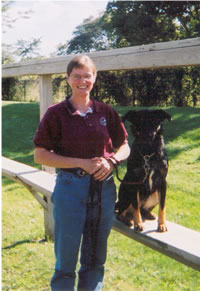
Compare Bowling Green’s top-rated dog trainers below — each listing shows real Google reviews and, where we’ve checked them, certified credentials, so you can reach out with confidence.

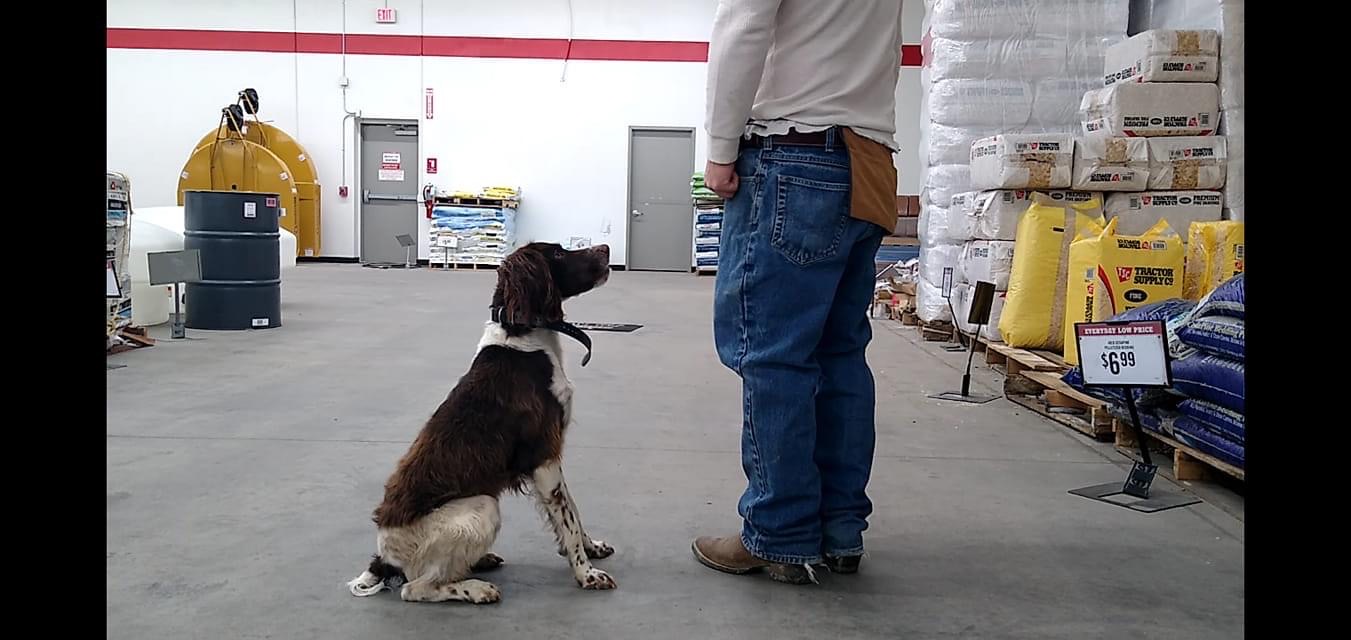
What Kind of Training Does Your Dog Need?
Before you start comparing trainers, figure out which category your dog falls into. This determines the type of training, the format, and the realistic timeline.
Puppy (8 weeks to 5 months)
Priority: socialization and foundation habits. This is the most time-sensitive stage — the critical socialization window closes around 16 weeks, and what your puppy is exposed to during this period shapes their temperament permanently. Group puppy classes are ideal. Read our full guide: Puppy Training in Bowling Green.
Adolescent dog (5 to 18 months)
Priority: obedience and impulse control. This is the stage where most owners hit the wall — the cute puppy has turned into a teenager who jumps on guests, pulls on the leash, and has developed selective hearing. Group obedience classes or private lessons work well here. Consistency is everything.
Adult dog — new to training
Priority: basic obedience and household manners. It’s never too late. Adult dogs are often faster learners than puppies because they have longer attention spans.
Adult dog — specific behavior issue
Priority: targeted behavior modification. Reactivity, aggression, separation anxiety, resource guarding, excessive barking. These issues need a qualified trainer or behaviorist — not a group class. Start with a behavior consultation.
Any dog — intensive training needed fast
Priority: results on a compressed timeline. Board-and-train programs offer intensive daily training over 2 to 6 weeks — the fastest path to results when done right.
Training Formats and Typical US Dog-Training Prices
The formats below are the same everywhere; the figures are national ranges, not Bowling Green rates. Prices vary by city and by trainer — confirm directly with the trainer before you book.
Group classes
Best for socialization and foundation obedience. Meet once a week for 5 to 6 weeks with other dogs. Most affordable option. Typical US range: $150 to $300 for a full course.
Private lessons
One-on-one with a trainer at their facility or your home. Best for specific goals, reactive dogs, or customized plans. Typical US range: $100 to $175 per session (facility) or $125 to $200 (in-home).
Day training
Your dog goes to the trainer during the day and comes home at night. Great for working professionals. Typical US range: $75 to $125 per day.
Board and train
Your dog stays with the trainer for 2 to 6 weeks. Most intensive option. Typical US range: $1,500 to $6,000+ depending on length and complexity.
Behavior consultation
A diagnostic assessment for serious behavioral issues — a professional evaluation that produces a treatment plan. Typical US range: $200 to $400 for the initial assessment.
Dog Training Schools & Classes in Bowling Green
Looking for a dog training school or group obedience classes in Bowling Green? Plenty of local trainers and facilities run weekly group classes — a structured, affordable way to cover socialization and basic obedience alongside other dogs. Browse dog obedience classes in Bowling Green, or use the trainer directory above to compare every dog school and trainer in the Bowling Green area by specialty, reviews and price.
How to Pick the Right Trainer
Choosing a dog trainer is a lot like choosing a doctor — credentials matter, but so does communication style, philosophy, and whether you trust them with someone you care about.
Training methodology
This is the most important factor and the one most people skip. Dog training ranges from purely positive reinforcement (rewards only) to balanced training (rewards plus corrections). There is no single “right” approach — but there IS a right approach for your dog. A fearful rescue needs a different approach than a confident, drive-y working breed. Ask every trainer what tools and methods they use, and don’t commit until you understand and agree with their philosophy.
Credentials
Look for recognized certifications — CPDT-KA (Certified Professional Dog Trainer), KPA-CTP (Karen Pryor Academy), IACP, AKC CGC Evaluator, or for complex behavior, a CAAB or veterinary behaviorist. Credentials aren’t everything — some of the best trainers built their skills through decades of hands-on experience — but a trainer with no credentials AND no verifiable track record is a risk.
Transparency — red flags and green flags
Red flags: won’t let you observe a class or tour the facility, gets defensive about methodology, guarantees specific results, pressures you to sign up immediately, or trash-talks every other trainer. Green flags: welcomes questions, offers to let you observe a class first, gives references, is honest about what training can and cannot achieve, and tells you upfront if your dog’s issue is outside their expertise.
Dog Training by Bowling Green Neighborhood
The Bowling Green metro is large, and driving 45 minutes for a weekly class isn’t sustainable for most people. Here’s a quick overview of training availability by area:
Downtown & Fountain Square
The historic core around Fountain Square Park, with the county courthouse, the older grid streets and a walkable mix of apartments and restored houses. Dogs here are mostly leash-walked on sidewalks and short park loops, which is exactly the environment where pulling and reactivity to passing traffic show up first.
WKU & the Hill
The Western Kentucky University campus and the student-heavy neighborhoods that surround it. A high-turnover area with a lot of first-time and young-adult dog owners, small yards or none, and dogs that need socialization around crowds, skateboards and other dogs at close quarters.
Cave Mill & Three Springs
The established south-side residential belt off Cave Mill Road and Three Springs Road. This is where the city’s fenced dog park sits, and where a lot of the family-dog population lives — detached houses, fenced yards, and enough foot traffic that leash manners matter.
Scottsville Road corridor (Greenwood)
The retail spine running south-east from the city, anchored by Greenwood Mall and a long strip of shopping. Newer subdivisions branch off it in every direction. Practically, this is the corridor most in-home trainers drive daily.
Campbell Lane & the west side
Campbell Lane, Russellville Road and Morgantown Road form the west and south-west approaches to the city, mixing older housing, light industry and the boarding and daycare facilities that cluster on the arterials.
Alvaton, Oakland & Rockfield
The rural Warren County ring — unincorporated communities on a few acres each, ten to twenty minutes out. Off-property recall, livestock and wildlife distraction, and dogs that have never met a stranger on a sidewalk are the recurring themes here.
Woodburn & the Simpson County line
South along US-31W toward Franklin. Sparsely populated, and home to the area’s dedicated training center — the sort of place people drive to for gun-dog work and structured group classes rather than stumble across.
Scottsville & Allen County
About twenty-five minutes south-east on the way to Barren River Lake. A separate small town with its own boarding and kennel businesses that also serve Bowling Green owners.
Auburn, Lewisburg & Logan County
West of the city along US-68/KY-80. Small Logan County towns where a couple of the region’s most complete training operations happen to be based — a reminder that in south-central Kentucky the best fit is often not the closest one.
Bowling Green Dog Training Resources
Beyond professional training, Bowling Green has some excellent resources for dog owners.
Parks and off-leash areas
- Hills Bark Park at H.P. Thomas Park — 850 Cave Mill Road. H.P. Thomas Park was established in 1980 across roughly 17 acres; the fenced dog park inside it, Hills Bark Park, opened in 2007 and covers about 4.5 acres with separate small-dog and large-dog sections, shade trees and a dog fountain. It is the city’s main off-leash option and the obvious place to test whether recall actually holds under distraction.
- Kereiakes Park — 1220 Fairview Avenue. Spero Kereiakes Park covers about 48 acres and includes a 1.25-mile jogging trail through wooded ground, tennis courts, ball fields and a disc golf course. The loop trail is a good controlled-distraction walk: joggers, dogs and disc golfers passing at predictable distances.
- Basil Griffin Park — 2055 Three Springs Road. Open field and trail on the south side, useful for long-line work where you want space without the free-for-all of a fenced dog park.
- Preston Miller Park — 2303 Tomblinson Way. About 54 acres of sports fields and open ground on the north side of the city.
- Lampkin Park — 938 Morgantown Road. A smaller west-side neighborhood park, dog-friendly on leash, and a practical spot for short daily training reps close to home.
- Covington Woods Park — 1044 Covington Street. Wooded in-town park with trails, close to the older neighborhoods east of downtown.
- RiverWalk at Mitch McConnell Park — A riverside path on the Barren River giving a longer, flatter walk than the neighborhood parks — useful for building duration and loose-leash walking away from tight sidewalks.
These parks are great for socialization practice AFTER your dog has a foundation of training. Taking an untrained dog to an off-leash park is asking for trouble.
Veterinary behaviorists
For complex behavior cases that may require medication alongside training, ask your primary vet for a referral to a veterinary behaviorist serving the Bowling Green area.
Dog Trainers by Community in the Bowling Green Area
Looking for a trainer in a specific Bowling Green-area community? Here are the local options town by town.
Dog Trainers in Bowling Green, KY
- GoodBoy Dog Training — 5.0★ (132)
- Mohawks Malinois — 4.8★ (131)
- Dogs Day Out — 4.7★ (60)
- Masters Boarding Kennels — 4.5★ (85)
- Pak Masters Dog Training
- Golden Sky Canine Academy LLC
- Bb Paws
Dog Trainers in Woodburn, KY
Dog Trainers in Scottsville, KY
Dog Trainers in Lewisburg, KY
- Vice and Virtue Dog Training — 5.0★ (20)
- Mid-State K9 — 4.9★ (61)
Dog Trainers in Glasgow, KY
- Steady Paws — 5.0★ (26)
- Good Boy
Dog Trainers in Auburn, KY
- Canis Major Dog Training — 5.0★ (23)
Dog Trainers in Franklin, KY
- Bluegrass Canine Dog Training — 5.0★ (2)
More trainers near Bowling Green
These trainers are just outside the Bowling Green communities listed above.
- Autumn Rose Dog Training — Munfordville, KY · 39.2 mi
Common Questions About Dog Training in Bowling Green
How many dog trainers are there in Bowling Green?
Fewer than most people expect for a city this size. A wide sweep of Warren County and the surrounding towns turns up roughly ten businesses that genuinely deliver dog training, and only about half of those are inside the Bowling Green city limits. A great many of the local listings that look like trainers are boarding kennels, daycares, groomers, breeders or pet sitters — all useful businesses, none of them training providers. It is worth checking what a business actually publishes about its training programs before you call.
What does dog training cost in Bowling Green?
Local published pricing sits in a normal range for a small Southern city. One in-town facility lists six-week group obedience courses at $180 per dog, one-hour private consultations at $100 at their facility or $120 in your home, follow-up lessons at $95 to $105, and four-lesson packages at $340 to $380. Trainers who publish nothing usually quote after an intake call, because the honest answer depends on what the dog is doing. Multi-week residential programs cost several times a lesson package anywhere in the country.
Are there group obedience classes in Bowling Green?
Yes. At least one Bowling Green facility runs scheduled beginner and advanced obedience courses on a six-week cycle, and one of the training centers south of the city runs group classes alongside private work. Group class capacity here is limited compared with a large metro, so class dates fill and you may wait for the next cycle rather than start next week.
Can I get a trainer to come to my house?
In-home training is the most widely available format in this area — more available than facility-based classes. Several local providers work primarily or exclusively in the client’s home, and at least one also offers virtual lessons. If you live out in Alvaton, Oakland, Rockfield or the county, ask about the travel radius before you book; some of the best-matched trainers for a Bowling Green dog are actually based in Logan or Allen County.
Where can I let my dog off leash in Bowling Green?
Hills Bark Park inside H.P. Thomas Park on Cave Mill Road is the city’s fenced off-leash dog park, with separate small and large sections. Everywhere else — Kereiakes, Basil Griffin, Preston Miller, Lampkin, Covington Woods, the RiverWalk — dogs are welcome on leash. A fenced dog park is a stress test, not a training venue: work recall on a long line somewhere quiet first, then use the bark park to find out whether it holds.
Is there a trainer here for aggression or serious behavior cases?
Local supply for genuine aggression and bite-history work is thin — this is one of the areas where an honest answer is that Bowling Green may not have the right person and Nashville or Louisville might. There are local providers who publish behavior-modification and reactivity work, and starting with a hands-on assessment from one of them is the correct first step. If a case involves a bite history, ask directly about the trainer’s experience with that specific presentation and about veterinary-behaviorist referral.
Do I need a trainer, or is my vet enough?
Start with your veterinarian any time there is a sudden behavior change, pain is plausible, or house-training has regressed — medical causes are common and no amount of training fixes them. Once the dog is medically cleared, a trainer is the right call for teaching skills and for changing how the dog feels about a trigger. The two are complements, not alternatives.
Start Here
The best time to start training is today. Whether your puppy needs socialization, your adolescent dog needs impulse control, or your adult dog has a behavior issue that’s been building for years — the sooner you start, the faster things improve.
Browse dog trainers in Bowling Green on GetDogSchool.com. Compare programs, read reviews, and connect with professionals who fit your dog’s needs and your budget.
Find Dog Trainers in Bowling Green →
Ready to find the right trainer for your dog in Bowling Green?
Get matched with a trainer in Bowling Green →