
Off-Leash Dog Training in Altoona, PA
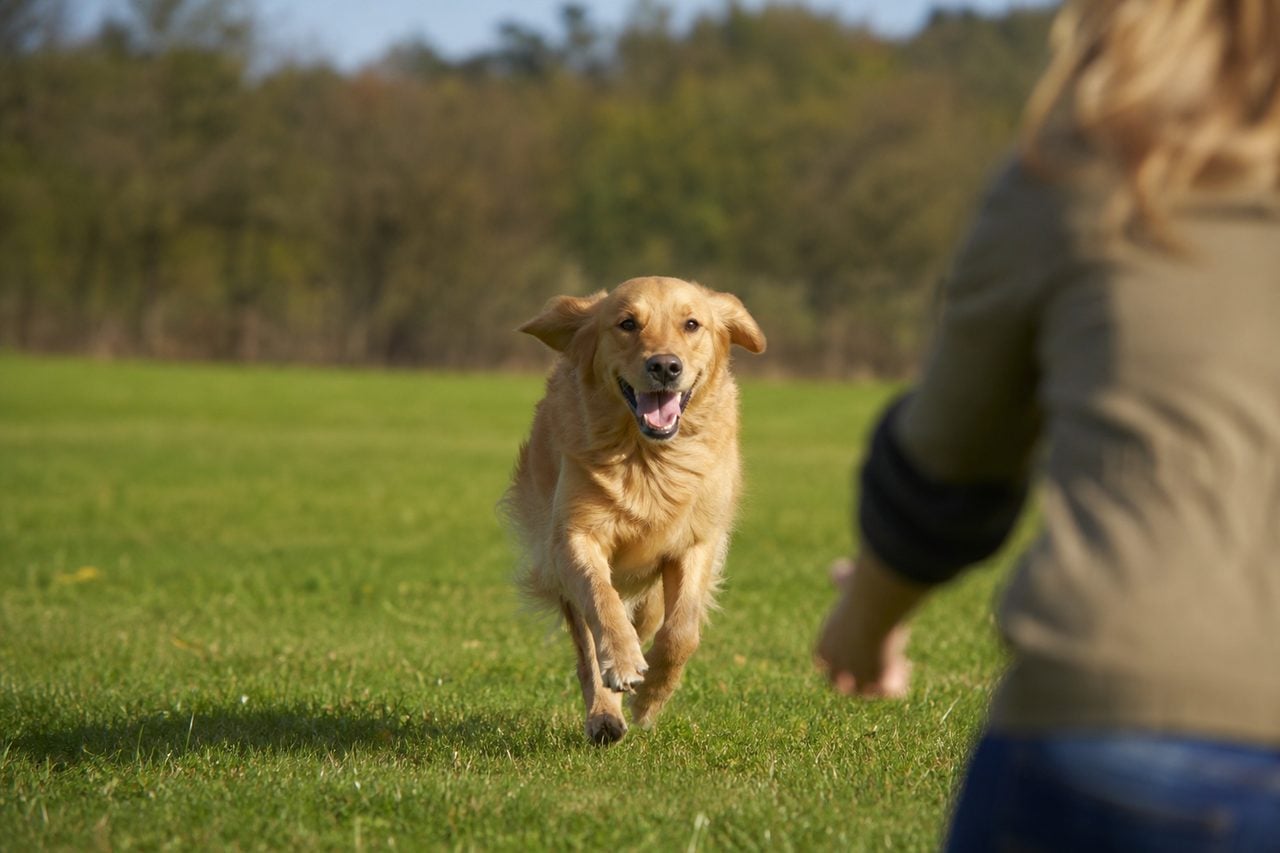
Reliable off-leash behavior is the goal many Altoona dog owners dream about: a dog that stays close on a ridge trail, comes back the first time you call even with a deer bounding through the brush, and can be trusted to hold a stay at the edge of a state park. In a region defined by the Allegheny Front, Wopsy Mountain, and the wooded ridges around Logan Valley, that kind of freedom is genuinely useful — and genuinely demanding to achieve.
Off-leash training is not simply obedience without a leash. It is a layered skill built on a rock-solid recall, proofed against real-world distractions, and often reinforced with tools like the remote collar used correctly and humanely. This guide from the GetDogSchool Editorial Team walks through what reliable off-leash work requires, why Altoona’s terrain and wildlife raise the difficulty, and how owners can build toward safe freedom step by step in places like Canoe Creek State Park and the surrounding ridges. Whether you picture quiet weekend hikes on the Lower Trail or something more ambitious across the ridgelines of Brush Mountain and the Allegheny Front, the path there runs through the same patient foundation, and this page lays out that path in order.
We also draw an honest line. Foundation recall and basic off-leash manners are well within reach of local training. But advanced off-leash proofing and skilled remote-collar work — the kind that produces a dog you can trust around livestock, wildlife, and roads — is specialized. Where that expertise is thin locally, the larger Harrisburg and Pittsburgh markets, each about an hour and a half away, are the sensible next stop. We keep this guidance neutral and never invent a local specialist we cannot verify. And because Blair County mixes wooded ridges, the farmland of Morrisons Cove, and busy roads through towns like Duncansville and Tyrone, we treat safety and honest self-assessment of your dog’s reliability as the backbone of every off-leash decision rather than an afterthought.
What Reliable Off-Leash Really Means
Off-leash reliability is not a single command but a set of behaviors that hold up under pressure. At minimum it means a recall your dog obeys the first time, every time, regardless of what else is happening; a solid stop or stay you can use to freeze the dog in place at a distance; and a check-in habit where the dog naturally keeps track of you rather than ranging off. A dog that comes back nine times out of ten is not off-leash reliable — the tenth time is the one that ends up in a road or a confrontation with wildlife.
That standard is high for a reason. The consequences of failure off leash are serious, especially in terrain like Altoona’s where a dog can crest a ridge and drop out of sight in seconds. Building this reliability takes months of layered work: a recall taught in a quiet room, then a fenced yard, then progressively more distracting outdoor settings, with the leash coming off only once each stage is genuinely solid. Skipping stages is how dogs end up “off leash” before they are actually ready.
Recall Is the Foundation of Everything
Every off-leash plan stands or falls on recall. Before a leash ever comes off in an open space, the dog needs a recall that has been built deliberately and proofed against distraction. That starts with making the recall cue extraordinarily rewarding — the best food, the most exciting play — so that coming back is always the best available option in the dog’s mind. A recall that competes with a squirrel has to pay better than the squirrel.
From there, the work is about generalization. A recall that is perfect in the kitchen means little on a ridge trail with new smells and moving wildlife. Owners build reliability by practicing in gradually harder environments, often on a long line so the dog experiences freedom while the handler retains a safety net. Only when the recall holds up on a fifteen- or thirty-foot line, around real distractions, does true off-leash work begin. In Altoona’s wooded terrain, where sight lines vanish quickly, this proofing is not optional — it is the difference between a dog you can call back and a dog that is simply gone.
Proofing Against Altoona Wildlife and Terrain
The ridges and forests around Altoona are full of the exact distractions that break an unproofed recall. Deer, turkey, small game, and the strong scent trails that crisscross Brush Mountain and Wopsy Mountain trigger a chase instinct that can override a dog’s training in an instant. A dog that is solid in a park may be a different animal the moment it hits a fresh deer trail on the Allegheny Front.
Proofing means deliberately practicing recall and control in the presence of these distractions, at distances where the dog can still succeed, and gradually closing the gap. It also means respecting terrain: steep drop-offs, dense understory, and the way a dog can disappear over a ridgeline change the margin for error. Many owners do their proofing on a long line in exactly these settings, so the dog learns to respond around wildlife while the handler keeps a physical backup. This stage separates dogs that are truly trail-ready from those that merely look obedient in easy conditions, and it is where many owners realize they need more advanced help.
The Remote Collar: Tool, Not Shortcut
The remote collar, or e-collar, is a tool many trainers use for off-leash reliability, but it is widely misunderstood. Used skillfully, it functions as a remote tap on the shoulder — a low-level cue to reinforce a recall the dog already knows — layered on top of a solid foundation, not used to teach the recall from scratch. Used poorly, at high levels or without foundation, it can frighten or confuse a dog and damage the very reliability it was meant to build.
The gap between skillful and harmful use is wide, which is why remote-collar work is genuinely a specialty rather than something to attempt from an online video. Proper introduction involves careful conditioning, finding the dog’s individual low working level, and pairing the tool with clear communication the dog understands. This is not a shortcut that replaces the months of recall and proofing described above; it is a refinement applied after that groundwork is done. Owners considering a remote collar for serious off-leash goals are best served by a professional experienced with the tool rather than experimenting on their own dog.
Where to Build Off-Leash Skills Near Altoona
Building off-leash reliability requires spaces that let you control the difficulty. Early proofing works best in enclosed or low-traffic areas where a mistake has small consequences. As the dog progresses, larger open settings around Canoe Creek State Park and the trail networks near Chimney Rocks and the Lower Trail offer room to practice recall at distance in a more natural environment, ideally on a long line until the behavior is proven.
Always check and follow the leash rules of any specific park or trail — many public lands require dogs to be leashed, and off-leash practice belongs only where it is permitted and safe. The ridges of the Allegheny Front provide the ultimate test environment because they combine distance, wildlife, and disappearing sight lines, but they are also the least forgiving, which is why they should be the last stage rather than the first. Progress from controlled spaces to genuinely wild terrain deliberately, and never let the leash come off in a new, harder setting until the recall is already solid there on a long line.
Safety, Legality, and Livestock
Off-leash freedom carries responsibilities that go beyond your own dog. Morrisons Cove and the farmland south toward Martinsburg and Roaring Spring is working agricultural country, and a dog that chases or harasses livestock creates a serious problem for you legally and for the animals involved. A recall that fails around a field of sheep or cattle is not a minor lapse; it can have real legal and financial consequences, and it can put your dog in danger.
Roads are the other constant hazard. A dog that breaks recall near the busier routes through Duncansville, Tyrone, or Bellwood can be into traffic in seconds. Responsible off-leash practice means knowing local leash ordinances, respecting private property and posted land, keeping your dog under genuine control at all times, and being honest about whether your dog is truly reliable enough for the setting you are in. When in doubt, keep the long line on. The freedom of off-leash work is earned through exactly this kind of caution, not assumed.
When Off-Leash Goals Call for Referral Help
Local Altoona trainers can absolutely teach the foundations of off-leash work: a strong recall, a reliable stay, and the basic manners that make a dog easier to trust. For pet owners whose goal is a dog that stays close and comes back on a quiet trail, that foundation work is often exactly what is needed and well within local reach.
Advanced off-leash proofing and skilled remote-collar training are a different matter. Producing a dog you can trust off leash around wildlife, livestock, and roads — and introducing a remote collar correctly and humanely — is a specialty that not every local trainer offers. Where that expertise is thin, the nearest larger markets are the sensible next step: Harrisburg and Pittsburgh, each about an hour and a half from Altoona, have deeper benches of trainers experienced in advanced off-leash and e-collar work. Start with local foundation training, be honest about your goals, and be ready to travel for the specialized proofing that genuine off-leash reliability sometimes demands.
Off-Leash Dog Training in Altoona: Local Options & Nearest Specialists
Right now there are no listed Altoona trainers focused specifically on off-leash dog training. Many general Altoona dog trainers handle milder cases, and for anything serious the nearest specialists are below.
Nearest off-leash dog training specialists — Harrisburg
For complex cases, the closest metro with dedicated off-leash dog training trainers is Harrisburg (an easy drive for an assessment or a board-and-train stay). Top-reviewed options:
- Carolyn Hart Dog Training — 5.0★ (63 reviews)
- Riverfront Dog Training — 5.0★ (56 reviews)
- Hard Nose K9 Services LLC — 5.0★ (20 reviews)
- Magnus K9 — 5.0★ (11 reviews)
- Knucklehead K9 Services LLC — 4.9★ (309 reviews)
- Off Leash K9 Training Harrisburg — 4.8★ (90 reviews)
- Woods Family Dog Training — 4.8★ (19 reviews)
- Custom Canine — 4.6★ (9 reviews)
See all Harrisburg off-leash dog training trainers →
Frequently Asked Questions
How reliable does my dog need to be before going off leash?
Very. Off-leash reliability means a recall your dog obeys the first time every time, plus a solid stop or stay at a distance and a natural check-in habit. A dog that comes back nine times out of ten is not ready, because the tenth failure is the one that ends up in a road or a wildlife chase. Build recall in easy settings first, proof it on a long line around real distractions, and take the leash off only once the behavior is genuinely solid in that specific environment.
Is an e-collar necessary for off-leash training?
No, it is a tool some trainers use rather than a requirement. Used skillfully, a remote collar acts as a low-level cue to reinforce a recall the dog already knows, layered on top of solid foundation work. It is not a shortcut and does not replace the months of recall and proofing that off-leash reliability demands. If you do want to use one for serious off-leash goals, it is best introduced by a professional experienced with the tool, since the gap between skillful and harmful use is wide.
Where can I practice off-leash recall around Altoona?
Start in enclosed or low-traffic areas where mistakes have small consequences, then progress to larger open settings around Canoe Creek State Park and trail networks near Chimney Rocks, ideally on a long line until recall is proven. Always check and follow each park or trail’s leash rules, since many public lands require dogs to be leashed. Save the wildlife-heavy ridges of the Allegheny Front for last, because they are the toughest and least forgiving test environment.
How do I keep my dog from chasing deer on the ridges?
You proof the recall specifically around that distraction. Practice recall and control in the presence of wildlife at distances where your dog can still succeed, on a long line so you keep a physical backup, and gradually close the gap. Deer, turkey, and strong scent trails on Brush Mountain and Wopsy Mountain trigger a powerful chase instinct that can override an unproofed recall in an instant, so this deliberate proofing is essential before trusting your dog off leash in that terrain.
What are the risks of off-leash dogs near Morrisons Cove farmland?
Livestock is the main concern. Morrisons Cove and the country toward Martinsburg and Roaring Spring is working farmland, and a dog that chases or harasses sheep or cattle creates serious legal and financial problems for the owner and real danger for the animals and the dog. Roads near Duncansville, Tyrone, and Bellwood are the other hazard. Off-leash practice belongs only where it is legal and safe, and a long line is the responsible choice whenever reliability is in any doubt.
When should I seek help beyond a local trainer for off-leash work?
Local trainers can teach the foundations: recall, stays, and basic off-leash manners, which is enough for many pet owners. Seek more advanced help when your goal is a dog trusted off leash around wildlife, livestock, and roads, or when you want a remote collar introduced correctly. That advanced proofing and e-collar work is a specialty that is thinner locally; the nearest larger markets, Harrisburg and Pittsburgh at roughly an hour and a half each, have more trainers experienced in it.
Related: read our complete off-leash dog training guide or the full Altoona dog training overview.
Ready to find the right off-leash dog training pro in Altoona?