
Dog Boot Camp in Cincinnati, OH
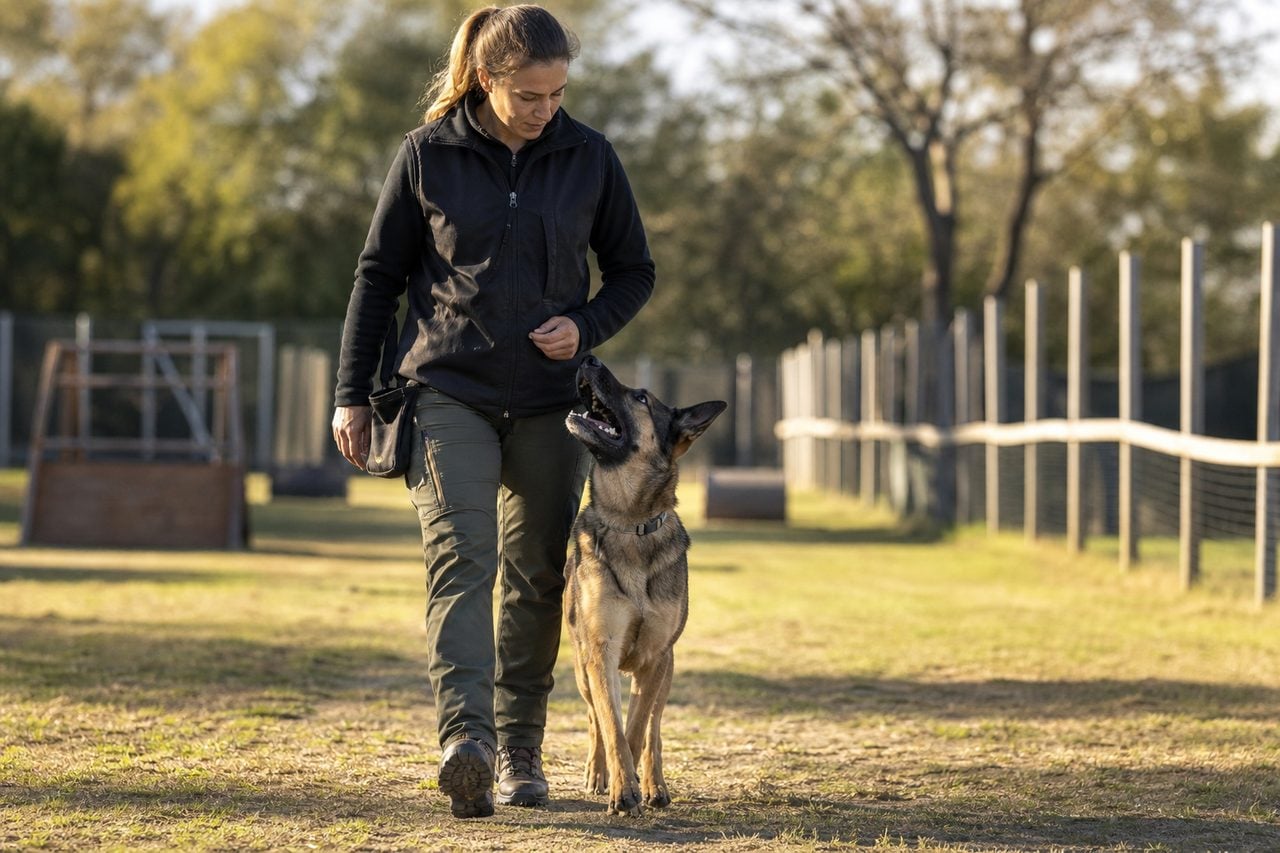
“Dog boot camp” is the phrase Cincinnati owners reach for when politeness has run out. The dog that bolts out the front door in Western Hills, the one that turns every walk through Mount Lookout into a shoulder workout, the adolescent that has graduated from cute to genuinely out of control — at some point the owner stops searching for “classes” and starts searching for something that sounds serious. Boot camp sounds serious. The question worth asking before you spend the money is: serious in what way?
In practice, “dog boot camp” in the Cincinnati market usually describes one of two things — an intensive multi-week immersion program where your dog lives with the trainer, or a compressed series of high-frequency sessions designed to fast-track results. Both can work. Neither is magic. And the military framing, while it sells, can mislead owners into expecting a kind of dominance-based discipline that good modern trainers across Blue Ash, Montgomery, and Anderson Township have largely moved past in favor of structured, motivation-based work that simply happens faster and more consistently than a once-a-week class.
What follows is a grounded look at what a dog boot camp actually delivers in Greater Cincinnati: who it’s right for, the formats local trainers offer, the real costs, and the mistakes that turn an expensive program into a three-week pause button. The goal isn’t to sell you on intensity — it’s to help you decide whether intensity is what your dog actually needs.
What 'Boot Camp' Really Means in Dog Training
The term borrows military imagery, but the best Cincinnati programs flying that banner aren’t about breaking a dog down. They’re about training density — cramming weeks of progress into a short window through frequency and consistency the average household can’t replicate.
The two common formats
- Live-in immersion: the dog stays at the trainer’s facility or home for two to four weeks, worked multiple times daily. This overlaps heavily with board & train.
- Intensive day-program: the dog attends full or half days over a compressed schedule — several days a week for a few weeks — then goes home each night.
The myth to drop
If a trainer pitches “boot camp” as breaking your dog’s will, dominating it, or flooding it with corrections, keep looking. That approach is outdated and, with fearful or reactive dogs, actively dangerous. Modern intensive programs in the Cincinnati area — the well-reviewed ones — get fast results through clear structure, high repetition, and skilled timing, not through intimidation. The “boot camp” speed comes from the schedule, not from harshness.
So when you read the phrase, mentally translate it to “intensive program.” That’s what you’re actually shopping for, and judging it by intensity-of-schedule rather than intensity-of-discipline will steer you to far better options.
Is Your Dog a Boot Camp Candidate?
Intensive programs are excellent for some dogs and a poor fit for others. Matching the dog to the method is where Cincinnati owners save themselves a lot of money and frustration.
Great candidates
- Confident, high-energy adolescents (roughly 6–18 months) who are smart, driven, and simply lack structure
- Dogs with stubborn obedience gaps — no recall, no leash manners — that haven’t budged in weekly classes
- Dogs whose owners genuinely cannot commit to daily training right now and need a jump-start
- Pullers and door-bolters where the danger of the current behavior justifies fast intervention
Poor candidates (or proceed carefully)
- Fearful, anxious, or under-socialized dogs — intensity can overwhelm them and set progress back
- Dogs with serious aggression — these need a behavior specialist and a tailored plan, not a generalist boot camp
- Very young puppies — their needs are developmental and social, better met by puppy-specific programs
- Senior dogs or those with pain/medical issues driving the behavior
The honest self-check
Boot camp accelerates training, but it transfers the maintenance back to you. If you know you won’t hold structure once the dog is home running around your Montgomery backyard or pulling toward the river trail, the fast results will fade. The dogs that thrive are the ones whose owners use the head start, not the ones whose owners expect it to be permanent.
Choosing a Boot Camp Program in Greater Cincinnati
Because “boot camp” is a marketing term, not a regulated category, the burden is on you to vet the substance behind the label.
Questions that cut through the marketing
- What does a typical training day look like — how many sessions, how long, doing what?
- What methods and tools do you use, and how do you introduce them?
- How do you handle a dog that shows fear or stress during the program?
- How much go-home coaching is included, and what follow-up support comes after?
- Can I see video of a real dog mid-program, not just polished before/afters?
Red flags
- Guarantees of a “100% fixed” dog — behavior doesn’t work that way
- Refusal to let you tour or to explain methods until pickup
- Heavy dominance language or one-size-fits-all corrections
- No structured owner handoff — the dog is “done” and that’s it
Local options worth a look
The Cincinnati directory includes several trainers who run intensive and immersion-style programs — Dog Obedience Guy, BFF Canine Obedience, The Dog Stop – Cincinnati Central, and Unleashed Canine Obedience in Milford among them, alongside suburban facilities like Sit Means Sit Cincinnati, Vacay 9 and Dogtown in West Chester. Treat these as starting points: shortlist two or three, tour them, and judge them on the answers above rather than the boot-camp branding.
Dog Boot Camp Costs in Cincinnati
Intensive programs are among the priciest training you can buy in Cincinnati, because you’re paying for concentrated professional labor — and often boarding — over a short period. Here’s what to expect locally.
Typical local pricing
- Live-in immersion boot camp (2–4 weeks): roughly $2,000–$6,000+ depending on length and whether off-leash/e-collar work is included — this tracks closely with board & train pricing
- Intensive day-program (dog home nightly): roughly $1,200–$3,000 for a multi-week compressed package
- Short “jump-start” intensives (a handful of sessions over 1–2 weeks): often $600–$1,500
What drives the number
Length and intensity of the schedule, whether boarding and food are bundled in, the experience of the trainer, and how much post-program support is included all move the price. Off-leash reliability work and behavior-focused programs sit at the top of the range. A staffed West Chester or Mason facility prices differently than a solo home-based trainer in Cleves or Williamsburg.
Spending wisely
The value question isn’t “how cheap” but “how much usable change per dollar.” A program with thorough go-home coaching and weeks of follow-up justifies a higher price because it makes the results stick. A bargain intensive with no transfer process often costs more in the long run when you end up re-training the dog yourself.
Common Boot Camp Mistakes — and How to Avoid Them
The dogs that come out of intensive programs transformed and the ones that regress within a month usually differ not in the program but in how the owner approached it.
Expecting a finished dog
Boot camp produces a trained dog under the trainer’s structure. Recreating that structure at home is your job. Owners who treat the program as a complete, hands-off solution are the ones disappointed a few weeks later.
Falling for the military framing
Choosing a program because it sounds tough — rather than because it’s skilled and humane — is a common trap. The fastest, most durable results come from clear, motivation-based structure, not harshness. Intensity of schedule is good; intensity of punishment is a warning sign.
Sending the wrong dog
Putting a fearful or anxious dog into a high-pressure intensive can deepen the problem. Be honest about your dog’s temperament; a confident-but-wild adolescent and a nervous, shut-down dog need very different approaches.
Ignoring the handoff
- Not budgeting time for the go-home lessons
- Letting the new structure slide during the first busy week back
- Skipping the included follow-up sessions
- No daily practice plan once the dog is home
The fix for all of these is the same: choose a program built around the transfer to you, then actually do your part. The boot camp buys you a head start in Cincinnati’s busy dog-owning life — whether that head start lasts is decided at home.
Reviewed Dog Boot Camp Trainers in Cincinnati
These reviewed Cincinnati-area trainers from our directory handle dog boot camp. Each links to a full profile with specialties, verified credentials, reviews, and contact info:
- Dog Obedience Guy — 5.0★ (129 reviews)
- BFF Canine Obedience — 5.0★ (127 reviews)
- The Dog Stop – Cincinnati Central — 5.0★ (63 reviews)
- Precision K9’s — 5.0★ (10 reviews)
- The Dog House Home of Mudpups’ Dog Training & Behavioral Services — 5.0★ (9 reviews)
- The Dog Wizard – Dog & Puppy Obedience Training Cincinnati — 5.0★ (4 reviews)
- Unleashed Canine Obedience, LLC — 4.9★ (109 reviews)
- Walk This Way Canine Training LLC — 4.9★ (43 reviews)
- Vacay 9 — 4.9★ (41 reviews)
- Sit Means Sit Cincinnati — 4.8★ (156 reviews)
See all Cincinnati dog boot camp trainers →
Frequently Asked Questions
Is a dog boot camp the same as board & train?
They overlap heavily. A live-in boot camp where your dog stays with the trainer for two to four weeks is essentially board & train marketed with more intensive language. The other common Cincinnati format is an intensive day-program where the dog attends compressed full or half days but comes home each night. The key is to look past the ‘boot camp’ label and ask exactly what the daily schedule and methods are.
Does 'boot camp' mean harsh or dominance-based training?
It shouldn’t. In a good Cincinnati program, the ‘boot camp’ speed comes from training density and a packed schedule, not from intimidation. Modern intensive programs get fast results through clear structure, high repetition, and skilled timing. If a trainer pitches breaking your dog’s will or flooding it with corrections, keep looking — that approach is outdated and can be harmful, especially with fearful or reactive dogs.
How much does a dog boot camp cost in Cincinnati?
Live-in immersion boot camps typically run roughly $2,000–$6,000+ over two to four weeks, tracking with board & train pricing. Intensive day-programs where the dog comes home nightly run about $1,200–$3,000 for a multi-week package, and short jump-start intensives often fall around $600–$1,500. Off-leash and behavior-focused programs sit at the top of the range. Weigh the price against how much go-home coaching and follow-up is included.
Is my anxious dog a good fit for boot camp?
Usually not. Fearful, anxious, or under-socialized dogs can be overwhelmed by an intensive, high-pressure schedule, which may set their progress back. These dogs need a slower, gentler behavior plan from a specialist. Boot camp is best suited to confident, high-energy adolescents who are smart and driven but simply lack structure. Be honest about your dog’s temperament before booking.
Will the results last after the program ends?
Only if you maintain them. A boot camp produces a dog that performs under the trainer’s structure; recreating that structure at home in your own neighborhood — whether that’s busy Hyde Park sidewalks or an Anderson Township yard full of distractions — is your responsibility. Choose a program built around a thorough owner handoff with follow-up support, then commit to a daily practice plan once the dog is home.
Related: read our complete dog boot camp guide or the full Cincinnati dog training overview.
Ready to find the right dog boot camp pro in Cincinnati?