
Dog Training Prices in Cincinnati, OH
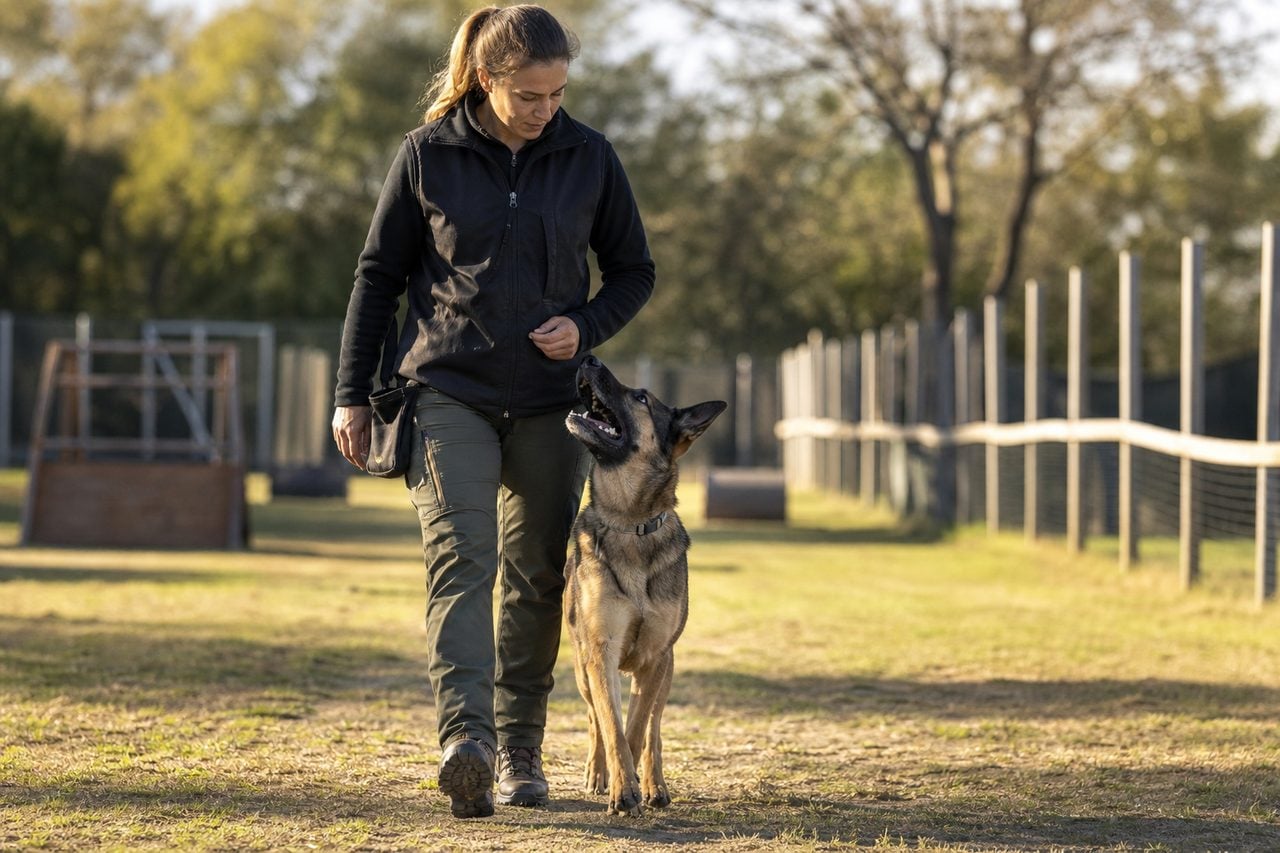
Ask around about dog training costs in Cincinnati and you will hear very different answers, and most of the gap comes down to the format you choose, not just the trainer’s reputation. The local market runs from West Side group classes in Delhi and Cheviot to premium one-on-one programs in Hyde Park and the Mason / West Chester corridor, and what you pay tracks closely with the kind of training you buy.
Cincinnati pricing also reflects its geography. A trainer covering Anderson Township, Milford and Eastgate is folding drive time into in-home rates. Downtown and Over-the-Rhine clients often pay a small premium for convenience and parking. And the dense cluster of busy trainers in the northern suburbs, the West Chester and Liberty Township belt, creates real competition that keeps group-class and obedience pricing reasonable. The result is a market with genuine range: budget options exist, and so do long, intensive programs at the top end.
This guide walks through what drives the cost of each format, why specialty work costs more, the extras people forget to budget for, and how to read and compare quotes so you pay for the training your dog actually needs rather than the most expensive option on offer.
What Each Training Format Costs, and Why
Format is the single biggest driver of cost. A trainer’s hour shared across a class costs you far less than an hour of undivided attention, and a program where the trainer does the daily work costs more than one where you do it. Here is how the main options compare in Greater Cincinnati, from the most affordable to the most expensive.
Group classes
The most affordable structured option, and widely available across the city. Classes suit basic obedience, puppy manners and socialization in a structured setting, and the other dogs in the room are useful practice for staying focused around distraction. Some shelters and pet stores run even cheaper intro classes, which can be a sensible first step for a young, friendly dog.
Private lessons
The Cincinnati sweet spot for many owners. You pay more per hour than in a class because the trainer works only with you, but a short private package is often the fastest way to fix one specific problem. Private lessons suit targeted issues, busy owners whose schedules do not fit a fixed class night, and dogs that do not do well in groups.
In-home training
In-home lessons carry the private-lesson price plus the trainer’s travel time, which is why a visit out in Milford or Eastgate can cost more than the same session at a facility. The premium buys training in the place where the problem actually happens, which matters for door-dashing, jumping on guests and other house-specific habits.
Day training
Where it is offered, day training means the trainer works your dog directly on a recurring schedule and then hands the skills back to you. It is usually sold as a package and sits above private lessons, because you are paying for the trainer’s labor, not just coaching.
Board-and-train
The most expensive format per program. Your dog lives with the trainer for intensive daily work, so you pay for boarding, training and intensity combined. It is best for fast results or serious behavior work, provided the program includes proper handoff lessons that teach you to keep the results going at home.
What Moves a Cincinnati Quote Up or Down
Two dogs can get very different bills from the same trainer. These are the levers behind the difference, and knowing them makes any quote easier to read.
Factors that raise the price
- Behavior complexity: reactivity, aggression and separation anxiety command premiums over basic obedience because they take more skill, more sessions and more safety planning.
- Off-leash and e-collar programs: high-end reliability work, where the goal is a dog that responds at a distance and around heavy distraction, costs more than sit-stay-come.
- Trainer experience and credentials: a trainer with years of behavior cases and recognized certifications charges more, and for serious problems that premium is often worth paying.
- Location and travel: in-home work across a spread-out service area, such as Anderson Township out to Milford, adds drive-time cost.
- Trainer demand: a trainer with a long run of strong reviews and a waitlist rarely competes on price.
Factors that lower the price
- Group vs. private format: by far the biggest lever.
- Package commitments: buying a multi-session bundle usually beats paying session by session.
- Off-peak enrollment and intro or puppy specials.
- A more central location that avoids travel surcharges, or bringing your dog to a facility instead of booking in-home visits.
Why Specialty Training Costs More
Specialty work prices well above general obedience because it demands more skill, more time and more liability. The details vary from trainer to trainer, but the logic is the same anywhere in the Cincinnati area.
Aggression and reactivity
This work is slow and safety-critical, which is why it costs more. It usually starts with a longer assessment, moves at the dog’s pace rather than a fixed curriculum, and often needs follow-up sessions in real-world settings. Expect a program measured in weeks or months rather than a single visit, and treat a very low quote for a dog with a bite history as a warning sign rather than a bargain.
Off-leash and protection work
Reliable off-leash control and protection or K9 work demand advanced handling and a lot of repetition under distraction. Programs in this category tend to be longer and more intensive than basic obedience, and protection work in particular belongs with a trainer who can explain a clear safety process.
Service and therapy work
Service dog training means task work tied to a handler’s disability plus public-access manners, built over a long period. Therapy dog preparation focuses on calm, friendly behavior around strangers. Both are priced according to the time involved, so ask for the full plan and the total, not just a per-session price.
Costs Beyond the Training Fee
The quoted training fee is rarely the whole story. Budget for these too, and ask about each one before you sign up.
Gear and tools
Many programs expect you to buy a particular leash, harness, collar or long line, and some off-leash programs require specific equipment. Ask what you will need before the first session so the gear is not a surprise.
Follow-up and maintenance
- Board-and-train programs often include “go-home” transfer lessons; confirm whether follow-ups are bundled or billed separately.
- Refresher sessions help maintain results after the program ends, so ask whether they are available and how they are charged.
Boarding extras and add-ons
Some board-and-train facilities bill add-ons such as extra weeks, daycare or premium food. Ask for an itemized quote so you can see exactly what the program covers.
The cost of choosing wrong
The most expensive mistake is paying twice: buying a cheap class that does not fix the problem, then paying again for the program you needed in the first place. Matching format to your actual goal is the real money-saver.
How to Read and Compare Cincinnati Quotes
Cheapest and best value are not the same thing. Two quotes that look far apart may be for different products, and two that look identical may deliver very different value. A few habits make comparison much easier.
Compare like for like
Group classes, private packages, board-and-train programs and off-leash e-collar programs are different products. Before comparing numbers, confirm that both quotes cover the same format, a similar number of sessions and the same goal. Review volume and ratings can justify a premium, but only when you are comparing the same kind of service.
Questions that protect your wallet
- “Is this per session or a package, and what’s the total?”
- “Are follow-up or transfer lessons included?”
- “What gear do I need to buy separately?”
- “Is there a travel fee for my part of town?”
- “What happens if my dog needs more sessions than planned?”
When a free evaluation helps
If a trainer offers a free or low-cost evaluation, use it, especially for reactivity, aggression or anxiety. Seeing your dog in person lets the trainer recommend a format and a realistic program length, and it gives you a chance to judge their methods and communication before you commit.
Matching the Format to Your Goal
The surest way to avoid overpaying is to pick the format that fits the problem, then compare quotes within that format.
- Basic manners and socialization: a group class.
- One specific problem: a short private package.
- House-specific habits like door-dashing or jumping on guests: in-home lessons.
- Fast, intensive results or serious behavior: board-and-train with solid handoff lessons.
- A medical or working role: specialty training, priced accordingly.
Location shapes the choice as well. West Side owners near Delhi and Cheviot have group classes close to home, and owners in the northern suburbs benefit from the competition along the West Chester and Liberty Township belt. If you live farther out, in Anderson Township, Milford or Eastgate, weigh the in-home travel premium against the time it takes to drive to a facility, and if you live downtown or in Over-the-Rhine, factor parking and convenience into the comparison.
Reviewed Dog Training Prices Trainers in Cincinnati
These reviewed Cincinnati-area trainers from our directory handle dog training prices. Each links to a full profile with specialties, verified credentials, reviews, and contact info:
- Off Leash K9 Training Cincinnati — 5.0★ (1073 reviews)
- DogWatch of Greater Cincinnati — 5.0★ (275 reviews)
- West Chester Dog Training — 5.0★ (200 reviews)
- Dog Obedience Guy — 5.0★ (129 reviews)
- BFF Canine Obedience — 5.0★ (127 reviews)
- Underdog K-9 Academy, LLC — 5.0★ (79 reviews)
- The Cincinnati Trainer, LLC — 5.0★ (70 reviews)
- The Dog Stop – Cincinnati Central — 5.0★ (63 reviews)
- Off Leash K9 Training Cincinnati – Delhi — 5.0★ (27 reviews)
- k9 Waves — 5.0★ (22 reviews)
See all Cincinnati dog training prices trainers →
Frequently Asked Questions
What’s the cheapest legitimate way to train my dog in Cincinnati?
A group class is usually the most affordable structured option, and some local shelters and pet stores run even cheaper intro classes. Just match the format to your goal: a cheap class won’t fix serious reactivity, and paying twice costs more than starting with the right format.
Why do two Cincinnati trainers quote such different prices for ‘dog training’?
Usually because they’re quoting different formats or specialties. A group class, a private package, a board-and-train and an off-leash e-collar program are very different products. Always confirm whether a quote is per session or a full package, what’s included, and which format it is, then compare like for like.
Is in-home training more expensive than going to a facility?
Usually, yes. In-home lessons add the trainer’s travel time to a one-on-one session, so owners in spread-out areas like Anderson Township, Milford or Eastgate often see a higher rate or a travel fee. The premium is worth it for problems that happen at home, such as door-dashing or jumping on guests.
Why does board-and-train cost so much more than lessons?
You are paying for boarding, daily training and intensity combined, with a professional doing the repetitions for you. The value depends on the handoff, so confirm how many go-home lessons are included, whether follow-ups cost extra, and whether add-ons like extra weeks are billed separately.
What should I ask before paying for dog training in Cincinnati?
Ask whether the quote is per session or a package and what the total is, whether follow-up lessons are included, what gear you need to buy, whether there is a travel fee for your area, and what happens if your dog needs more sessions than planned. For behavior problems, ask for an evaluation before committing to a program.
Related: read our complete dog training prices guide or the full Cincinnati dog training overview.
Ready to find the right dog training prices pro in Cincinnati?