
Dog Trainers in Brooklyn, NY
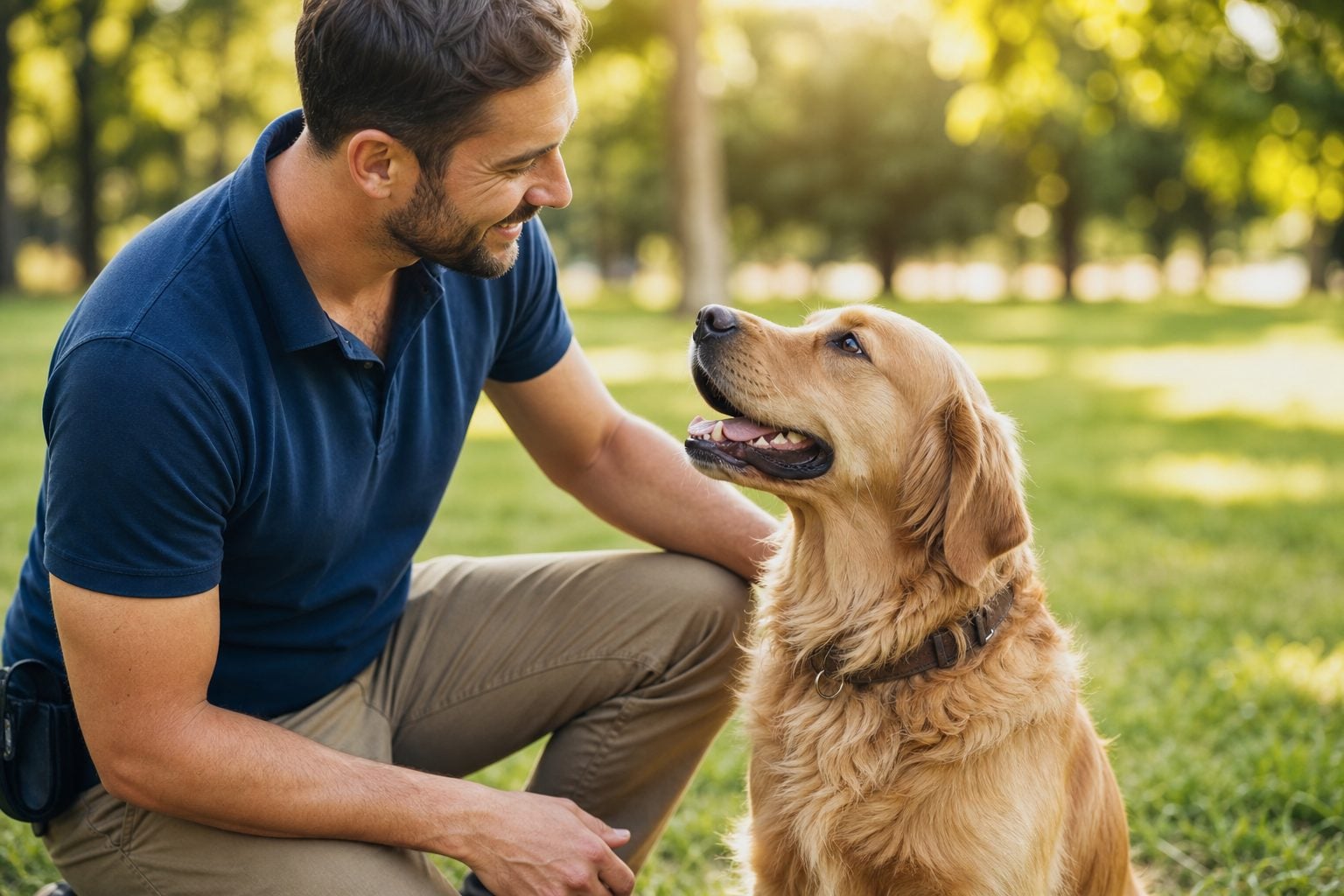
Brooklyn is a borough of 2.6 million people and, on the evidence of this listing, one of the deepest dog-training markets in the country – but a market shaped almost entirely by the constraint that nobody here has a yard. Most of the businesses on this page train in the client’s own apartment, on the client’s own block, and in the park at the end of it; the handful that work from a dedicated room are notable enough that they say so on the front page. The result is a borough where the standard product is a private in-home lesson rather than a weekly class at a facility, where board-and-train means a dog living in a trainer’s own home rather than a kennel run, and where the problems trainers advertise are the problems of shared walls and crowded sidewalks: leash reactivity, barking at the door, separation anxiety in an apartment with neighbors on three sides, and a rescue dog who has never learned to settle. Credentials run unusually high here – CPDT-KA, CSAT, KPA CTP, CCDT and the Karen Pryor and CATCH programs all appear on Brooklyn trainers’ own pages – and so does method disagreement, with force-free practices and balanced practices working the same blocks and both publishing their reasoning at length. This page is the starting point for sorting that out.
- Top-Rated Dog Trainers in Brooklyn
- What Kind of Training Does Your Dog Need?
- Training Formats and Typical US Dog-Training Prices
- Dog Training Schools & Classes in Brooklyn
- How to Pick the Right Trainer
- Dog Training by Brooklyn Neighborhood
- Brooklyn Dog Training Resources
- Common Questions About Dog Training in Brooklyn
- Start Here
This page is your starting point. Whether you need puppy socialization, basic obedience, off-leash training, or help with a serious behavior problem, we’ll help you understand your options, what to expect, and how to connect with the right professional in Brooklyn.
Top-Rated Dog Trainers in Brooklyn
Compare Brooklyn’s top-rated dog trainers below — each listing shows real Google reviews and, where we’ve checked them, certified credentials, so you can reach out with confidence.
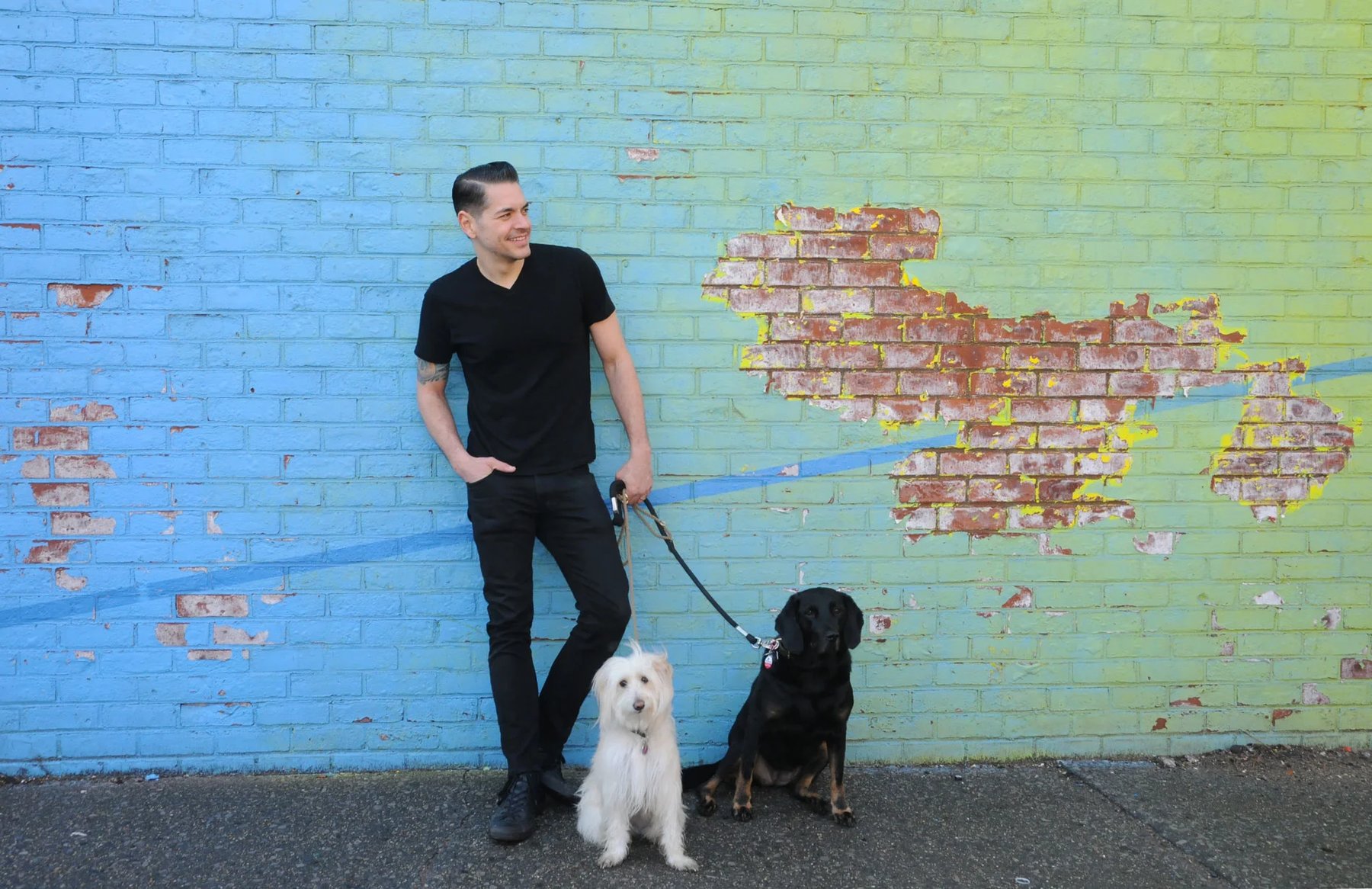
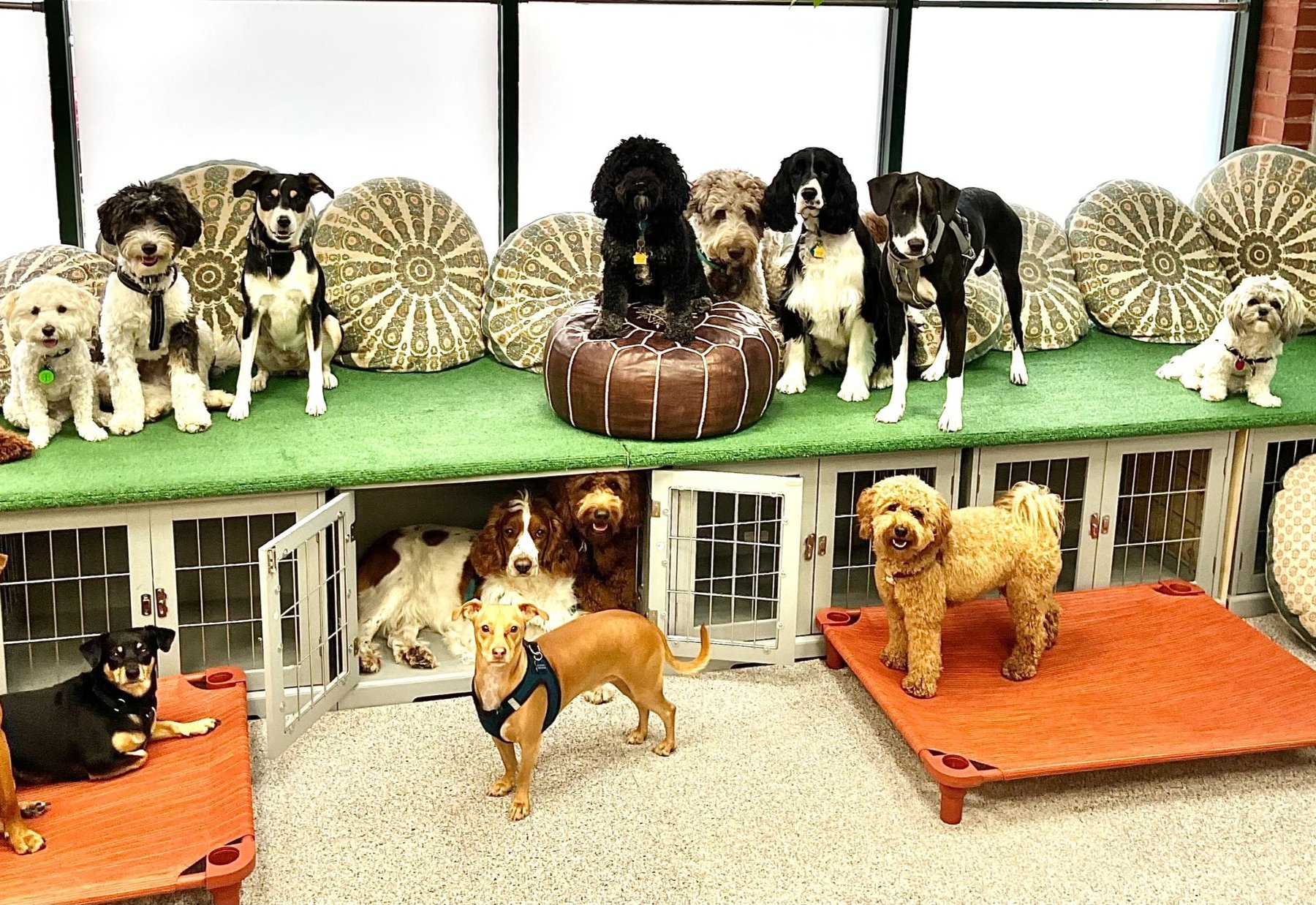


What Kind of Training Does Your Dog Need?
Before you start comparing trainers, figure out which category your dog falls into. This determines the type of training, the format, and the realistic timeline.
Puppy (8 weeks to 5 months)
Priority: socialization and foundation habits. This is the most time-sensitive stage — the critical socialization window closes around 16 weeks, and what your puppy is exposed to during this period shapes their temperament permanently. Group puppy classes are ideal. Find puppy trainers in Brooklyn.
Adolescent dog (5 to 18 months)
Priority: obedience and impulse control. This is the stage where most owners hit the wall — the cute puppy has turned into a teenager who jumps on guests, pulls on the leash, and has developed selective hearing. Group obedience classes or private lessons work well here. Consistency is everything.
Adult dog — new to training
Priority: basic obedience and household manners. It’s never too late. Adult dogs are often faster learners than puppies because they have longer attention spans.
Adult dog — specific behavior issue
Priority: targeted behavior modification. Reactivity, aggression, separation anxiety, resource guarding, excessive barking. These issues need a qualified trainer or behaviorist — not a group class. Start with a behavior consultation.
Any dog — intensive training needed fast
Priority: results on a compressed timeline. Board-and-train programs offer intensive daily training over 2 to 6 weeks — the fastest path to results when done right.
Training Formats and Typical US Dog-Training Prices
The formats below are the same everywhere; the figures are national ranges, not Brooklyn rates. Prices vary by city and by trainer — confirm directly with the trainer before you book.
Group classes
Best for socialization and foundation obedience. Meet once a week for 5 to 6 weeks with other dogs. Most affordable option. Typical US range: $150 to $300 for a full course.
Private lessons
One-on-one with a trainer at their facility or your home. Best for specific goals, reactive dogs, or customized plans. Typical US range: $100 to $175 per session (facility) or $125 to $200 (in-home).
Day training
Your dog goes to the trainer during the day and comes home at night. Great for working professionals. Typical US range: $75 to $125 per day.
Board and train
Your dog stays with the trainer for 2 to 6 weeks. Most intensive option. Typical US range: $1,500 to $6,000+ depending on length and complexity.
Behavior consultation
A diagnostic assessment for serious behavioral issues — a professional evaluation that produces a treatment plan. Typical US range: $200 to $400 for the initial assessment.
Dog Training Schools & Classes in Brooklyn
Looking for a dog training school or group obedience classes in Brooklyn? Plenty of local trainers and facilities run weekly group classes — a structured, affordable way to cover socialization and basic obedience alongside other dogs. Browse dog obedience classes in Brooklyn, or use the trainer directory above to compare every dog school and trainer in the Brooklyn area by specialty, reviews and price.
How to Pick the Right Trainer
Choosing a dog trainer is a lot like choosing a doctor — credentials matter, but so does communication style, philosophy, and whether you trust them with someone you care about.
Training methodology
This is the most important factor and the one most people skip. Dog training ranges from purely positive reinforcement (rewards only) to balanced training (rewards plus corrections). There is no single “right” approach — but there IS a right approach for your dog. A fearful rescue needs a different approach than a confident, drive-y working breed. Ask every trainer what tools and methods they use, and don’t commit until you understand and agree with their philosophy.
Credentials
Look for recognized certifications — CPDT-KA (Certified Professional Dog Trainer), KPA-CTP (Karen Pryor Academy), IACP, AKC CGC Evaluator, or for complex behavior, a CAAB or veterinary behaviorist. Credentials aren’t everything — some of the best trainers built their skills through decades of hands-on experience — but a trainer with no credentials AND no verifiable track record is a risk.
Transparency — red flags and green flags
Red flags: won’t let you observe a class or tour the facility, gets defensive about methodology, guarantees specific results, pressures you to sign up immediately, or trash-talks every other trainer. Green flags: welcomes questions, offers to let you observe a class first, gives references, is honest about what training can and cannot achieve, and tells you upfront if your dog’s issue is outside their expertise.
Dog Training by Brooklyn Neighborhood
The Brooklyn metro is large, and driving 45 minutes for a weekly class isn’t sustainable for most people. Here’s a quick overview of training availability by area:
Park Slope, Gowanus and Kensington
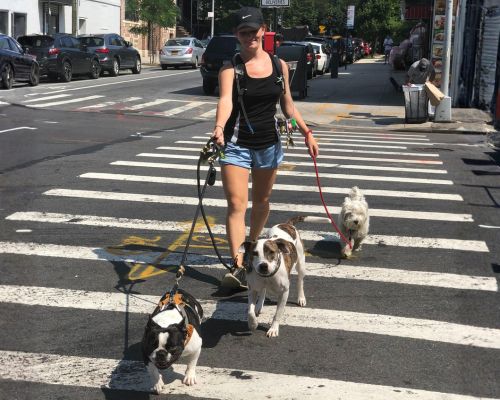
The densest concentration of training in the borough, and the one place in Brooklyn where a dedicated indoor training room is not unusual. A 1,500-square-foot facility on Whitwell Place, between 1st and President Streets, describes itself as the only space in Brooklyn devoted exclusively to dog training and runs puppy classes, puppy socials, obedience, scent games, agility, rally, freestyle and flyball out of it; a training school with a CPDT-KSA owner teaches from the same address and also travels to clients’ homes. Gowanus holds a woman-owned company that has been in Brooklyn since 2005 and publishes every private-lesson and puppy-package rate to the dollar. Elsewhere in the neighborhood are a force-free practice on 6th Street with a published single-session and multi-pack price list, a behavior expert on 11th Street whose method argues against treat-led distraction, a walking-and-training business on 17th Street that has run since 2007, a training school in Kensington with a full class calendar and a free weekly public Q&A, and a five-star practice on 5th Avenue with one of the largest review counts in the borough.
Williamsburg and Greenpoint
North Brooklyn is where the facilities are. A center on Roebling Street runs on 100% positive reinforcement with a DTIA-certified founder, a Baby Puppy Curriculum for eight to twenty-six weeks and four-hour drop-off play-and-train sessions. A training company on Powers Street opened its own facility in 2024 so structured training and daycare could run under one roof, and sells tiered programs online. A practice on South 2nd Street runs a Reactive Dog Class alongside puppy and basic manners groups – a dedicated class for dogs who cannot yet cope with a normal group is rare anywhere. Out toward Porter Avenue, on the East Williamsburg edge, a business publishes a full ladder of training packages from a pre-puppy consultation up to a residential program. Greenpoint adds a class location on Meserole Avenue, a training-forward daycare on Huron Street with an agility course and a swimming pool, and a small practice on Beadel Street.
Bedford-Stuyvesant and Bushwick
Central and eastern Brooklyn is where the residential training clusters. A facility on Malcolm X Boulevard runs puppy programs, day training, private lessons, performance training and multi-week board-and-train built on the NePoPo system, and its published reviews are almost entirely six-week and one-month residencies for anxiety and dog aggression. A trainer and behavior consultant on Tompkins Avenue works to explicit LIMA standards and came to the work through rehabilitating shelter dogs with bite histories. Bed-Stuy also holds a certified trainer on Lafayette Avenue whose services include cooperative-care handling and dog-cat consulting, and a fifteen-year practice on Myrtle Avenue with an advanced track into agility, tracking and protection sports. Bushwick carries a grooming-and-training business teaching classes in Bushwick and Williamsburg, a two-location daycare and training operation on Flushing Avenue led by a certified master trainer, and a specialist in Jindos and Korean village dogs on Thames Street.
Downtown Brooklyn, Brooklyn Heights and DUMBO
The commuter end of the borough, and the one where training is most often sold as a service alongside daycare. A behavior practice on Fleet Place takes reactivity, aggression, resource guarding and anxiety cases across Brooklyn and Manhattan with an assessment-first process and every package price published. A trainer on Furman Street, working since 2005, runs private in-home lessons and a full class program – agility, tricks, scent work and a puppy social – at a facility in Brooklyn Bridge Park. A multi-site pet-care company on Bond Street offers CPDT-KA certified training through private sessions and group classes on the cellar level of its Downtown Brooklyn location. The neighborhood’s density is the training problem: elevators, lobbies, crowded sidewalks and a waterfront park full of off-leash dogs at dawn.
Fort Greene and Clinton Hill
Two adjacent neighborhoods carrying an unusual share of the borough’s certified behavior work. Vanderbilt Avenue alone holds a force-free practice run by a trainer who is both CPDT-KA and a Certified Separation Anxiety Trainer, and a marker-based trainer whose published service area covers fourteen Brooklyn neighborhoods. A training-focused daycare on Dekalb Avenue runs day training and weekly group classes with pick-up and drop-off. Prospect Heights, just south, adds a balanced trainer working from Underhill Avenue who publishes her full tool list, a Karen Pryor Academy certified partner on Eastern Parkway specializing in fear, anxiety and aggression cases, and a small owner-run private board-and-train that does its work on the actual streets, subways and cafe patios its clients use.
Carroll Gardens, Cobble Hill and Red Hook
The western waterfront strip, where several long-established businesses work a compact set of blocks. A practice on Carroll Street publishes a complete rate card – hourly, packages, day training and board-and-train by the week – and hosts its residencies in a trainer’s home rather than a kennel. A community-style training business on Union Street runs classes, walks and a boarding school. On Tiffany Place a brother-run company that has operated since 2013 does private training with an ABCDT-certified lead trainer alongside walks and boarding. Red Hook, cut off from the subway and with its own dog culture, holds a pet-care business that has worked the same streets since 2002 and sells puppy training and dog training as named services.
Sunset Park, Greenwood and Bay Ridge
Fourth Avenue is the spine here, and three of the borough’s more facility-shaped businesses sit on it within a mile of each other: a training operation with its own room offering 1:1 sessions on site or in the home plus board-and-train, a walking and pet-sitting company running since 2008 whose training arm specializes in dogs that struggle with social cues and staying grounded on walks, and a cage-free care business with outdoor space and certified handlers on site around the clock. Bay Ridge adds a business whose founder is also its head trainer, publishing dog training prices alongside boarding and daycare, and a walking-and-training listing on 4th Avenue near 85th Street. Owl’s Head Park and the Shore Road promenade give this corner of Brooklyn more usable outdoor training space than most of the borough.
Southern and eastern Brooklyn
The half of the borough furthest from the subway lines, and the half where supply thins – which is worth knowing before booking, because a trainer’s published service area often stops before it gets here. Ditmas Park holds a separation-anxiety specialist with the CSAT designation who works central Brooklyn and takes remote cases worldwide, plus a CPDT-KA-owned care business offering training and individual behavioral walks. Midwood holds the borough’s clearest protection-sport specialist, a trainer of over twenty years who coaches all three Schutzhund and IPO phases. Bensonhurst has a seven-day storefront doing training and grooming together; Brownsville a training village on Osborn Street with a graded badge system and every service priced; Canarsie a Rockaway Parkway operation publishing prices from private sessions up to a nine-week residential program; and Sheepshead Bay, East New York, Flatbush and Marine Park each carry further listings.
Brooklyn Dog Training Resources
Beyond professional training, Brooklyn has some excellent resources for dog owners.
Parks and off-leash areas
- Prospect Park — The borough’s training ground, and the reason several practices base themselves within a mile of it. Off-leash hours run early morning and evening inside the designated areas, which makes the park two different training environments in one day: a near-empty Long Meadow at 6am where recall and off-leash work are realistic, and a crowded afternoon loop that is closer to a distraction-proofing exercise than a walk. One Prospect Heights practice runs its Good Manners group classes in the park outright; another names the park among the places it takes board-and-train dogs for field work. The Dog Beach at the north end of the park is where most Brooklyn dogs first swim.
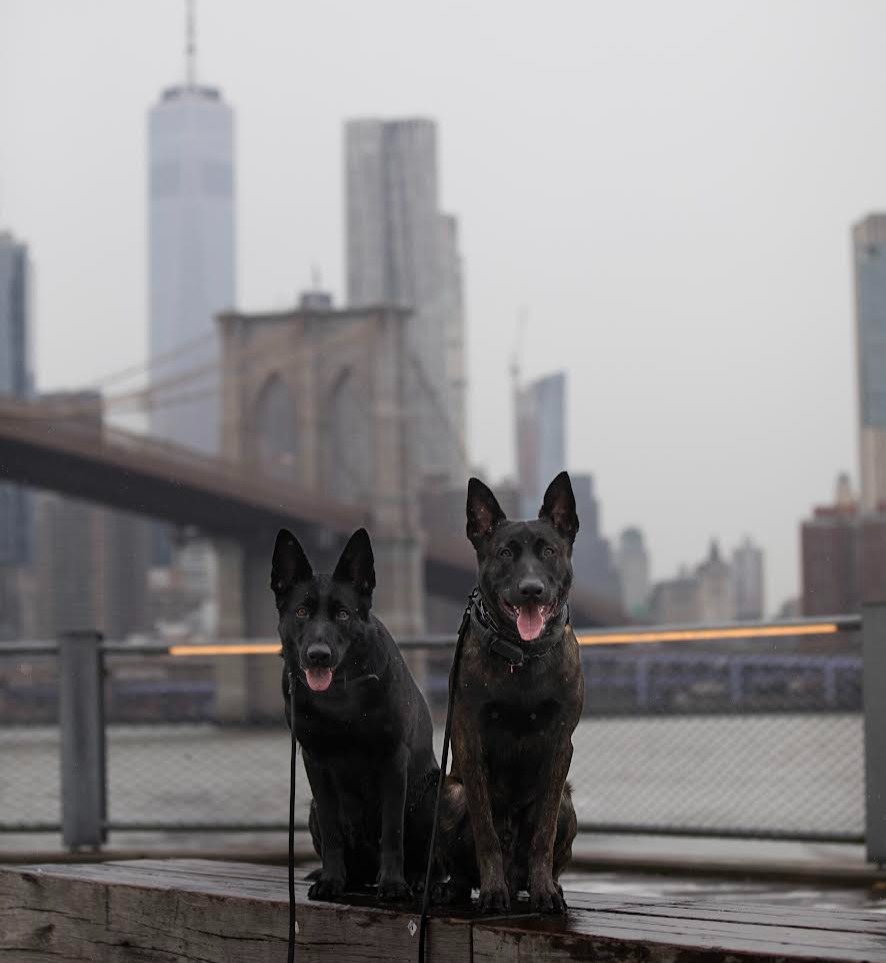
- Brooklyn Bridge Park — A mile and a half of waterfront from Atlantic Avenue to the Manhattan Bridge, and the site of one of the few group-class programs in Brooklyn taught at a facility inside a park. The gradient here is the useful part: the piers at the north end are loud, busy and full of tourists, the lawns at the south end are calm, and a handler working a reactive dog can choose the distance from the crowd deliberately. Pier 6 has a dog run, and the promenade is the most photographed training backdrop in the borough.
- McCarren Park — The center of gravity for dogs in Greenpoint and north Williamsburg, with a dog run on the Bedford Avenue side. It is small, it is busy, and it is where a lot of north Brooklyn dogs learn – or fail to learn – how to greet other dogs politely. Trainers in this part of the borough tend to use the park’s perimeter paths rather than the run itself for reactivity work, because the run is an all-or-nothing environment and the paths are not.
- Fort Greene Park — Thirty hilly acres between Fort Greene and Clinton Hill, with off-leash hours in the early morning. The slope is the feature: a dog working on impulse control and loose-leash walking gets a harder version of both going uphill, and the park’s paths loop enough that a session can pass the same trigger repeatedly at controlled distances. Several of the borough’s certified behavior practices are within a ten-minute walk of it.
- Herbert Von King Park — Bed-Stuy’s oldest park and the main outdoor space for the cluster of trainers around Tompkins and Malcolm X. It has a dedicated dog run, and because the park is used heavily by the neighborhood for everything else – amphitheater events, sports, children’s play – it is a realistic place to proof a behavior that has to hold in ordinary noise rather than in a quiet field.
- Owl’s Head Park and the Shore Road Promenade — Bay Ridge’s answer to the borough’s space problem: a hilly park with its own dog run, backing onto a promenade that runs for miles along the Narrows under the Verrazzano-Narrows Bridge. Traffic noise, cyclists, joggers and the bridge overhead make the promenade a genuinely useful distraction ladder, and it is one of the few places in southern Brooklyn where a long-line recall session is practical.
- Marine Park and the Salt Marsh Nature Trail — The largest park in Brooklyn by area, in the far southeast, with open fields, a dog run and a marsh trail. Supply is thinner in this part of the borough and the park’s value is correspondingly higher: it is the closest thing southern Brooklyn has to the open ground that suburban trainers take for granted, and it is quiet enough on weekday mornings for work that Prospect Park cannot support at any hour.
- Hillside Dog Park — A steep, terraced, fully off-leash park under the BQE in Brooklyn Heights, and an unusual training environment for a specific reason: it is enclosed, it is almost entirely shaded, and the traffic noise from the expressway above is constant. For a dog being desensitized to city sound, a fenced space with a permanent noise floor is a rare and useful thing, and it is a short walk from the Downtown Brooklyn practices.
These parks are great for socialization practice AFTER your dog has a foundation of training. Taking an untrained dog to an off-leash park is asking for trouble.
Veterinary behaviorists
For complex behavior cases that may require medication alongside training, ask your primary vet for a referral to a veterinary behaviorist serving the Brooklyn area.
Dog Trainers by Community in the Brooklyn Area
Looking for a trainer in a specific Brooklyn-area community? Here are the local options town by town.
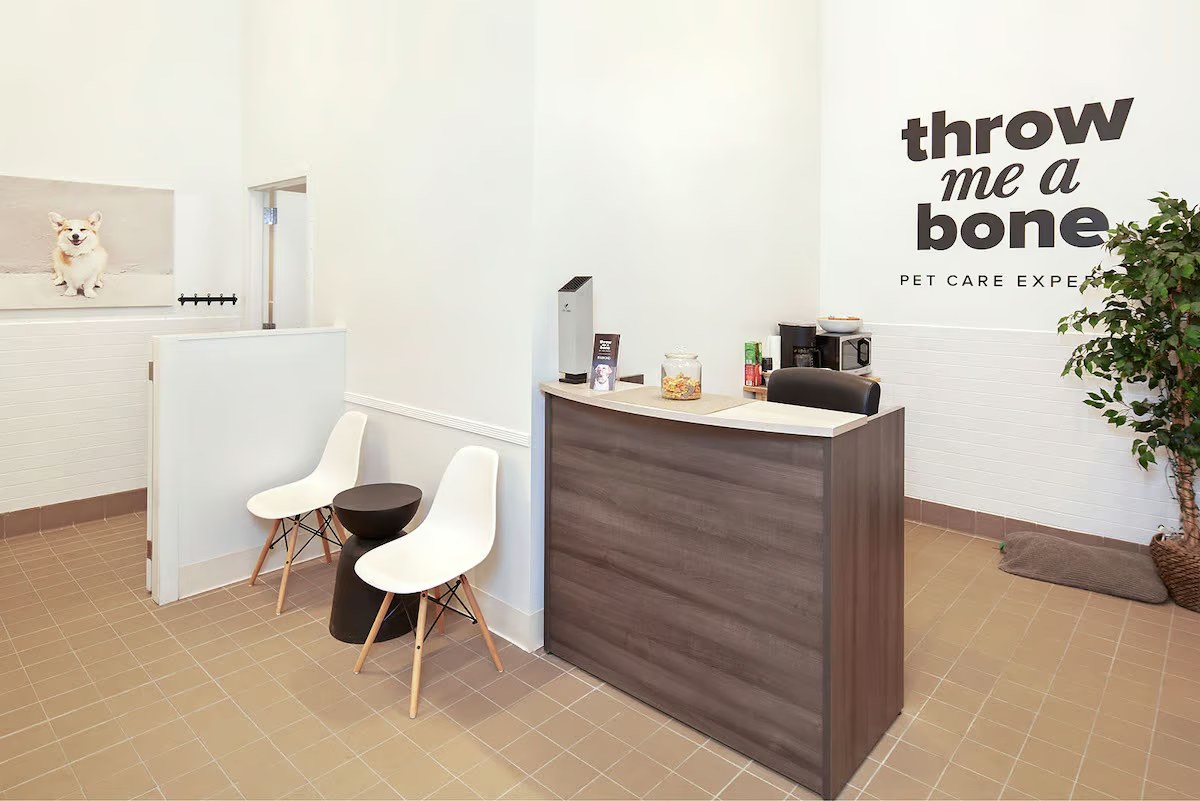
Also in Brooklyn: Dogboy NYC, Pawmos Dog Training, MindfulPups, KIBA K9s | World-Class Dog Training, Throw Me A Bone Inc. / Dog Daycare, Grooming and Boarding, Woofs & Wags, PumpkinPups Dog Training Inc., AbbyTheDogMom, GoDoG – Dog Walking & Sitting Brooklyn, Mike Preis Dog Training, New York Wolfpack, Zen Dog Training, ExclusiveK9, Wag the Dog NYC–Urban Dog Training, Empire of the Dog Brooklyn, Walk N’ Roll, Dog Basics NYC, Dharma Dog NYC, D-DOGS Training Behavior Consulting, Brooklyn Dogs, A Wild K9, True North Canine, Casper’s Capers, Hair of the Dog, Brooklyn Pup Dog Training, Balanced Pack Training NYC, Rescue Train Repeat, Other People’s Pets, Friends of Otis, Dina’s Dog Training, Doggie Dojo NYC, Kiean K9, Wolfie’s Place, Opie’s Training Academy, NDW Brooklyn, Grateful Dawg Training, LLC, Pietro Sacchini Dog Training, Mighty Mutt Dog Walking and Dog Training, Doggie Style NYC, Interdyne International K-9, Miss Mack’s Finishing School For Dogs, Hustle Pups NYC, The Dog Institute of Williamsburg, The Dog Behaviorist NYC, Jason The Dog Walker & Co., THE PET GETAWAY LLC, Urban K-9 Dog Training, All Dogs in the City Greenpoint, Armageddon Canine Prep, Paws & Rec Inc., My Two Dogs Dog Grooming & Dog Training, Metro Dog Training, Michael Jackson Dog Training, Calm Energy Dog Training, PAWSIES, La Bella Pooch Dog Training and Grooming, Paws 4 Dog Walking and Training, Doggie Academy, Petco Dog Training, Corey Harden K9, Petco Dog Training, Petco Dog Training, Petco Dog Training, PetSmart Dog Training, Petco Dog Training, ph.D 4 Dogs, Petco Dog Training, PetSmart Dog Training, k9 Intelligence Dog Training Trainers Obedience Schools Training Classes Lessons, Sundog Pet Care, Urban Dog Training, Lee & Co. Walking and Training, Compliant Canines Dog Training, Fetch! Dog Training of Brooklyn, Deacon k9 Training, EinsteinK9 Dog Training
Dog Training by Specialty in Brooklyn
Brooklyn-specific guides for each type of training:
- Puppy Socialization
- Dog Obedience Classes
- Aggressive Dog Training
- Leash-Reactive Dog Training
- Off-Leash Dog Training
- Separation Anxiety Training
- In-Home Dog Training
- Protection & K9 Training
- Service Dog Training
Also live across New York: Albany & the Capital Region · Binghamton · The Bronx · Buffalo · Geneva & the Finger Lakes · Glens Falls · Hudson, Columbia & Greene Counties · Islip & Central Suffolk · Kingston · Manhattan · Nassau County · Newburgh · Niagara Falls · Peekskill, Northern Westchester & Putnam · Poughkeepsie · Queens · Rochester · Saratoga Springs · Staten Island · Syracuse & Central New York · Utica & Rome (Mohawk Valley) · White Plains & Westchester.
Common Questions About Dog Training in Brooklyn
How many dog trainers are there in Brooklyn?
Fewer than a search suggests, and deliberately so. The businesses on this page sell dog training as a service in their own published words, plus a small number of listed trainers with a Brooklyn address whose own sites say little and are shown with basic details only. A search for this borough also returns dog walkers, daycares, groomers, veterinary practices, pet shops, human gyms and businesses with no connection to dogs at all, and some real businesses based in another borough or in New Jersey that advertise into Brooklyn; those are listed where they actually operate, if at all.
What does dog training cost in Brooklyn?
Brooklyn trainers publish enough rates that a real pattern exists. Private one-hour sessions are the common unit, priced higher at the certified end of the market, and initial assessments or behavior consultations are usually priced separately and often required before a package can be bought. Multi-session packages bring the per-session price down, so ask for the package rate as well as the single-session rate. Day training, where a trainer works the dog while the owner is at work, sits above lesson packages, and board-and-train is the expensive end, priced by the week, with longer residential programs at a Canarsie facility at the top. Virtual sessions are the cheapest way in.
Is force-free or balanced training more common in Brooklyn?
Both are well represented, and the borough is unusually explicit about the difference. Several Brooklyn practices state outright that they will not use e-collars, prong collars or choke chains, and name LIMA (least intrusive, minimally aversive) or the Humane Hierarchy as the standard they work to; the CPDT-KA, CSAT, KPA CTP and CBATI credentials that appear here all sit on that side. Others describe themselves as balanced and publish their tool list in full, including training collars and remote collars, with the argument that rewards motivate and corrections clarify. At least one practice argues publicly against both poles. None of this is hidden – in almost every case the trainer’s own site says which camp they are in before you call, and it is the single most useful thing to check first.
My dog barks and lunges at every dog on the sidewalk. Who handles that?
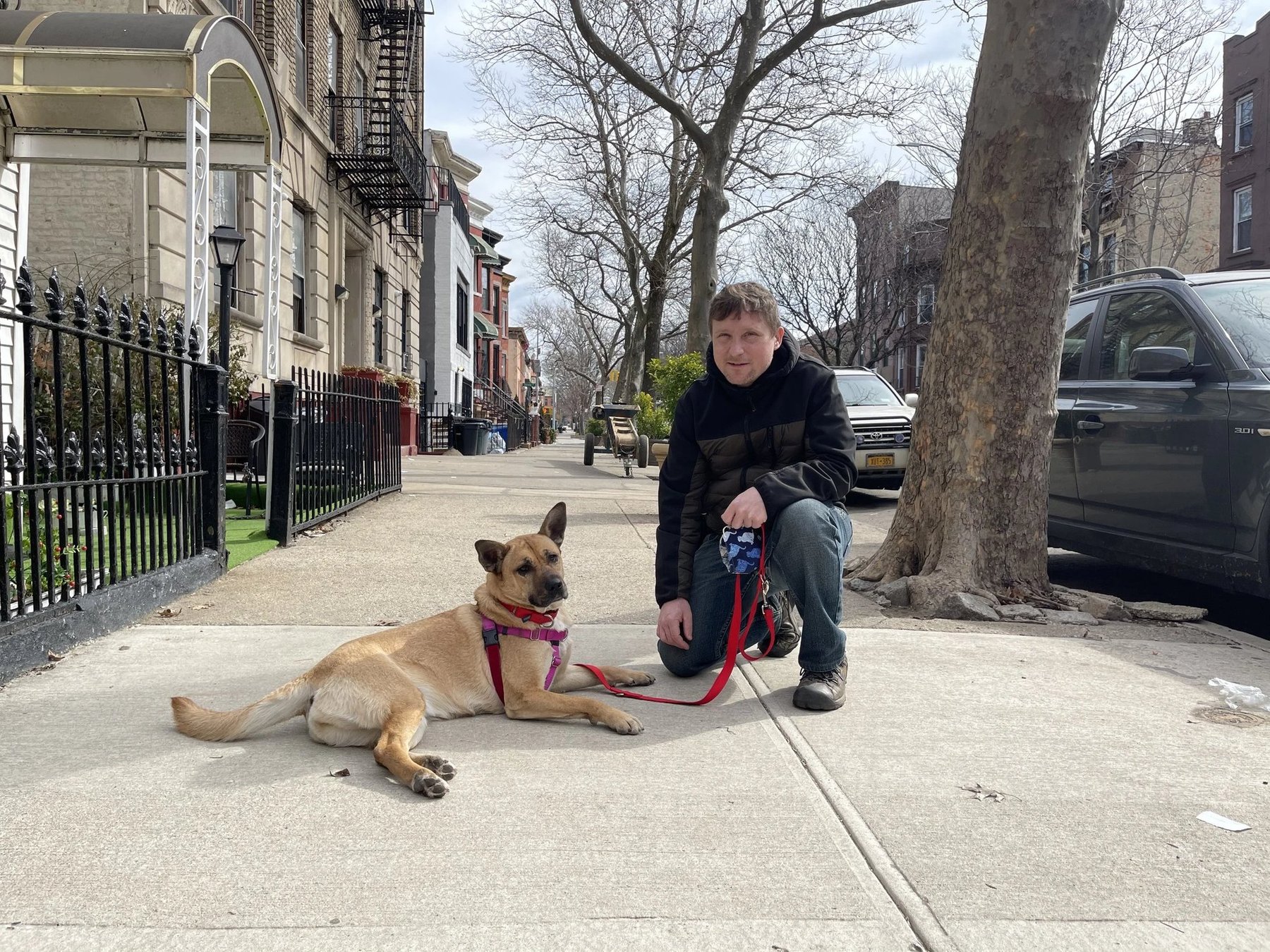
Leash reactivity is the most commonly advertised specialism in Brooklyn after puppy work, and roughly a third of the trainers listed here name it explicitly. It is worth being specific when you call: reactivity work is usually sold as private one-to-one coaching rather than a class, because a reactive dog cannot learn in a group at close quarters. One practice runs a dedicated Reactive Dog Class for exactly this reason, and several offer a first session held virtually so the intake and the first skills can be covered before a stranger walks into the apartment. Expect the work to happen on your own block at your own times, not in a training room.
Can a trainer help if my dog cannot be left alone?
Yes, and Brooklyn has more genuine separation-anxiety capacity than most metros. Several trainers listed here hold the CSAT designation, a specialty certification for isolation distress, and the protocol is delivered remotely by design – the trainer watches the dog on camera while you are genuinely out of the apartment, because the dog’s behavior changes the moment a person is in the room. That means you can work with a specialist who is not local, and it also means the sessions fit around a working week. Separation anxiety is published as a named service by many Brooklyn businesses.
I have a new puppy in an apartment. What should I book first?
Almost every trainer in the borough takes puppies, and several build their whole practice around the first six months. What Brooklyn adds to the standard advice is the apartment problem: crate and den setup, house training without a yard, door manners in a building with a shared hallway, and socialization to elevators, buses, trucks and crowds that a suburban puppy meets gradually and a Brooklyn puppy meets on day one. Look for a curriculum that starts before the puppy arrives – some local practices sell pre-puppy consultations for exactly this – and remember that the socialization window closes around fourteen to sixteen weeks, which is often before the vaccination course finishes. That is why several Brooklyn puppy programs are taught virtually for the first sessions.
What is the difference between board-and-train and day training?
Board-and-train means the dog lives with the trainer for a fixed period – programs from a couple of weeks to a couple of months are sold in Brooklyn – and comes home with an owner handover session. Day training means the dog stays at home and the trainer comes in, or collects the dog, and works it for an hour or so several days a week while the owner is at work. Both are widely published here, board-and-train somewhat more often. The practical difference is who does the learning: board-and-train changes the dog fastest and then has to transfer that to you, while day training is slower and keeps the dog in the environment where the problems actually happen. Several Brooklyn trainers recommend day training over residency for exactly that reason, and one restricts board-and-train to clients who have already completed a training package.
Do any Brooklyn trainers do protection work or sport?
A small number do. One Midwood trainer with more than twenty years’ experience coaches all three IPO and Schutzhund phases – obedience, protection and tracking – and works as a national-level training helper; a Bed-Stuy practice lists protection sports alongside agility and tracking in an advanced program. That is thin supply for a borough this size, and nothing closer in this directory publishes it, so anyone wanting sport work or a genuine personal-protection dog should expect to travel or to wait for an opening rather than shop around locally.
Are Brooklyn trainers certified, and does it matter?
Many are, and the certifications name specific bodies rather than describing themselves as certified in general: CPDT-KA and CPDT-KSA from the Certification Council for Professional Dog Trainers, CSAT for separation anxiety, KPA CTP from the Karen Pryor Academy, CCDT, CBATI-KA, ABCDT from the Animal Behavior College, CATCH, DTIA and ISCP all appear on Brooklyn trainers’ own pages, along with APDT and IACP memberships. A credential is not a guarantee and it is not a service – it tells you the trainer sat an exam and signed a humane-methods commitment, which is worth something and is not the same as being right for your dog. Several Brooklyn trainers link out so you can verify their certification independently, which is the most useful version of the claim.
How far will a Brooklyn trainer travel?
Further than you would expect, and less far than you would hope. Many practices here publish a neighborhood list rather than a borough, and those lists cluster heavily in the northwest: Park Slope, Carroll Gardens, Cobble Hill, Fort Greene, Clinton Hill, Bed-Stuy, Williamsburg and Greenpoint appear repeatedly, while Bay Ridge, Bensonhurst, Sheepshead Bay, Canarsie and East New York appear rarely. If you live in southern or eastern Brooklyn, ask about travel before anything else, and consider the trainers actually based there – there are a dozen of them in this listing – or a virtual first session, which most local practices now offer.
Start Here
The best time to start training is today. Whether your puppy needs socialization, your adolescent dog needs impulse control, or your adult dog has a behavior issue that’s been building for years — the sooner you start, the faster things improve.
Browse dog trainers in Brooklyn on GetDogSchool.com. Compare programs, read reviews, and connect with professionals who fit your dog’s needs and your budget.
Find Dog Trainers in Brooklyn →
Ready to find the right trainer for your dog in Brooklyn?
Get matched with a trainer in Brooklyn →