Dog Trainers in Manhattan, NY
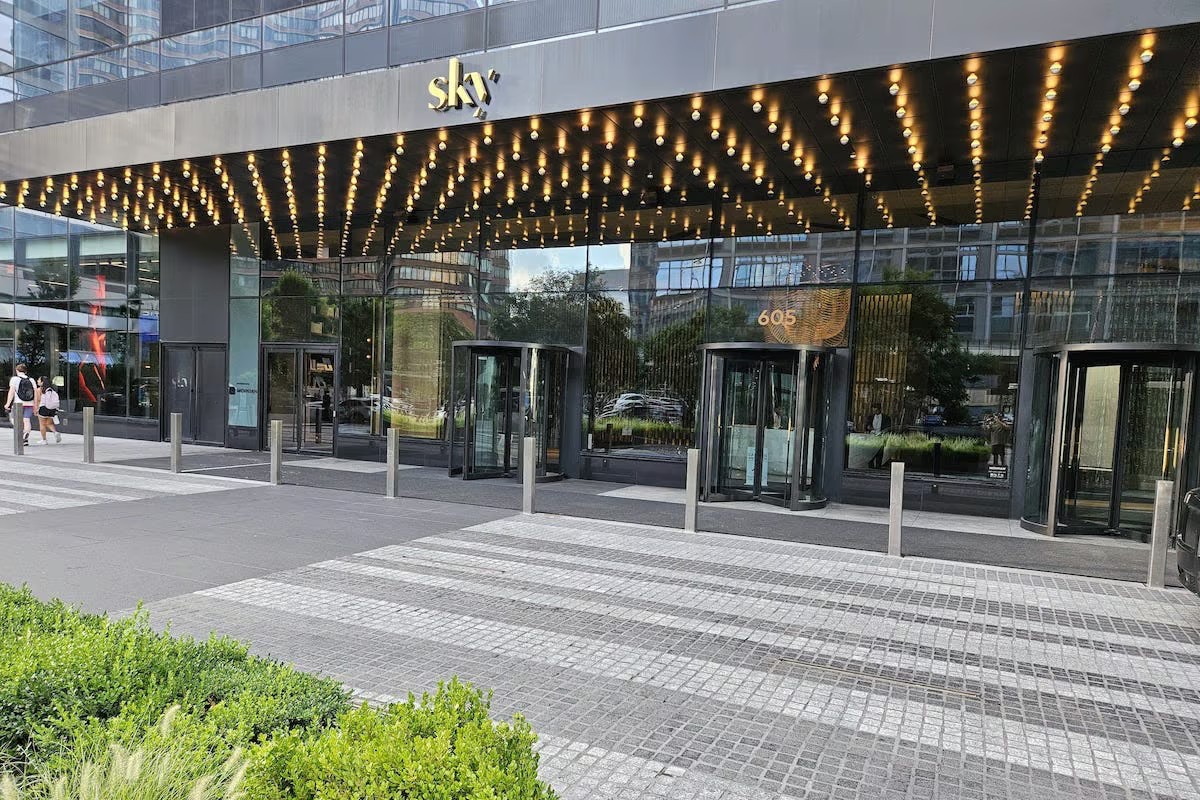
Manhattan is the densest dog-training market in the United States, and the density changes what the product is. Almost none of it looks like the suburban model of a five-acre field and a barn: Manhattan trainers work out of second-floor studios, apartment lobbies, sidewalks, elevators and the strip of park nearest the client’s building. Of the businesses listed here, most are one certified trainer traveling to the dog rather than a facility the dog travels to, and the handful of real facilities are concentrated on the far west side, where floor space still exists – a cellar-level pet care center at 605 West 42nd Street, a boutique daycare with an in-house trainer at 493 10th Avenue at Hudson Yards, and a purpose-built daycare on Third Avenue in Kips Bay among them. The second thing the density does is specialize the work. Leash reactivity is not a niche in this borough, it is the core business: many trainers here publish reactivity work by name, and one Upper West Side practice on Broadway is built around it entirely, with separate programs for Manhattan and for the Upper West Side. Separation anxiety is close behind at ten, which is what happens in a borough of small apartments and long working days, and one Upper West Side trainer holds the specific Certified Separation Anxiety Trainer credential rather than treating it as general behavior work. The third thing to know before you start calling is that prices vary widely and are mostly published: an hour of walk-and-train on the Upper East Side sits at the low end, session-based trainers and group classes in the middle, and multi-week manners programs with fitness work built in at the top. Group classes still exist here, in Chelsea, on the Upper East Side and on the Upper West Side, and they are often the cheapest way into a well-taught curriculum – but they are also the format that suits a reactive dog least, which is why so many of this borough’s trainers sell private work first and a class afterwards.
- Top-Rated Dog Trainers in Manhattan
- What Kind of Training Does Your Dog Need?
- Training Formats and Typical US Dog-Training Prices
- Dog Training Schools & Classes in Manhattan
- How to Pick the Right Trainer
- Dog Training by Manhattan Neighborhood
- Manhattan Dog Training Resources
- Common Questions About Dog Training in Manhattan
- Start Here
This page is your starting point. Whether you need puppy socialization, basic obedience, off-leash training, or help with a serious behavior problem, we’ll help you understand your options, what to expect, and how to connect with the right professional in Manhattan.
Top-Rated Dog Trainers in Manhattan
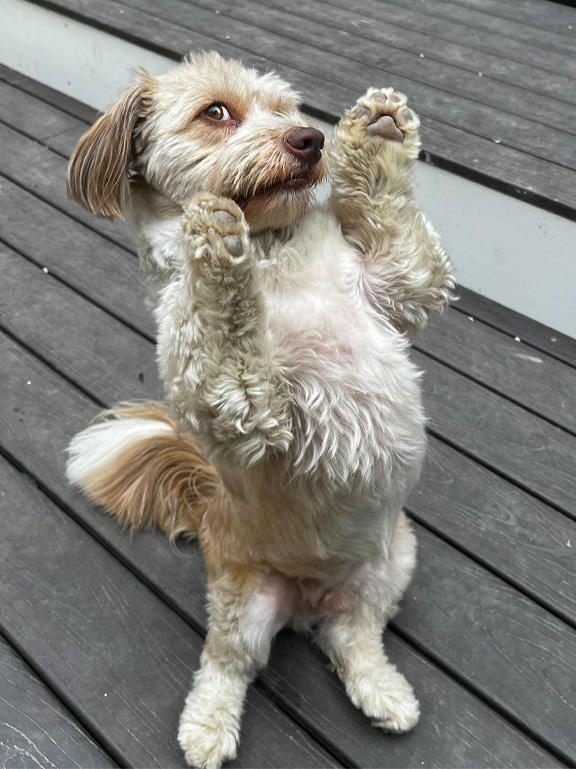
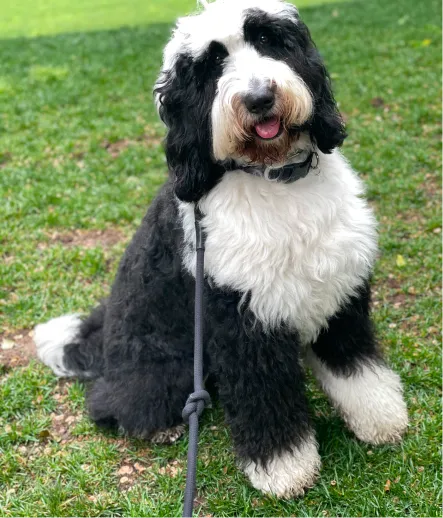
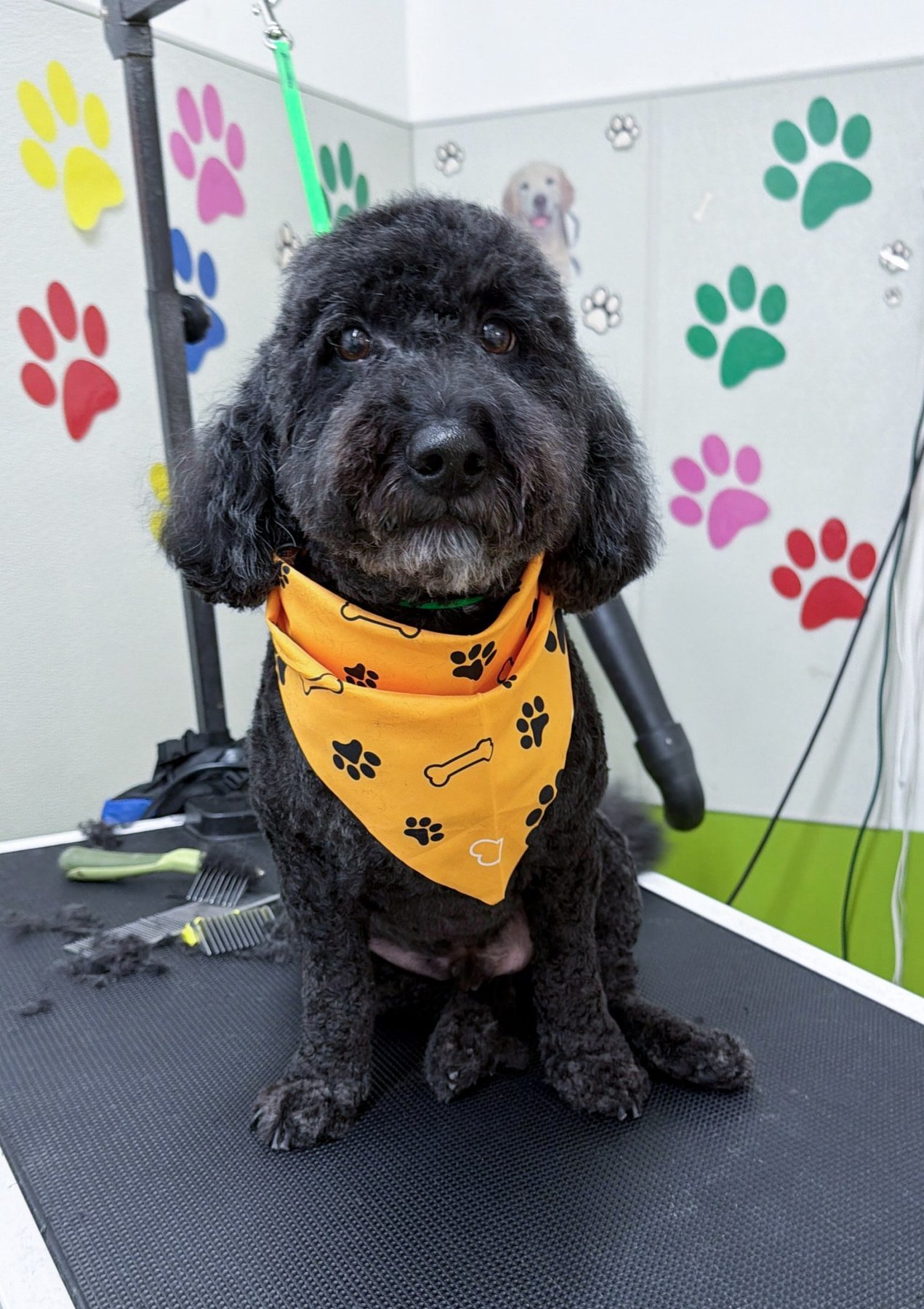
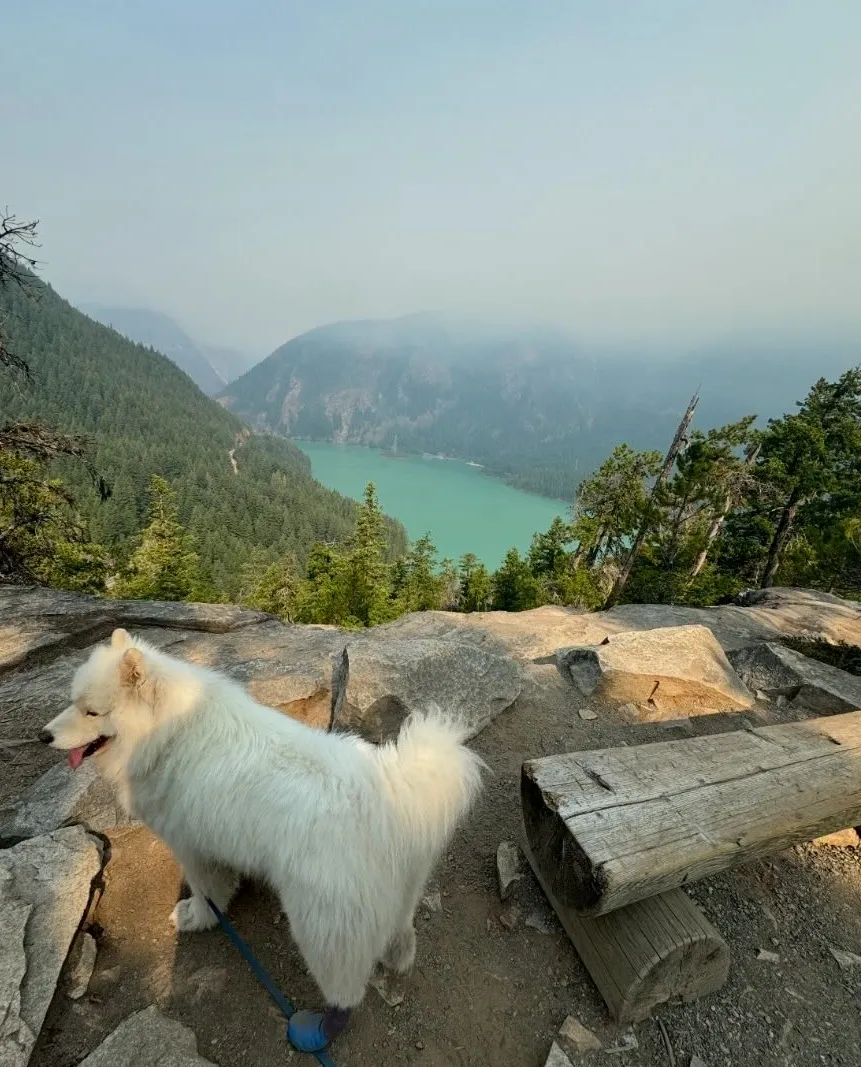
Compare Manhattan’s top-rated dog trainers below — each listing shows real Google reviews and, where we’ve checked them, certified credentials, so you can reach out with confidence.

What Kind of Training Does Your Dog Need?
Before you start comparing trainers, figure out which category your dog falls into. This determines the type of training, the format, and the realistic timeline.
Puppy (8 weeks to 5 months)
Priority: socialization and foundation habits. This is the most time-sensitive stage — the critical socialization window closes around 16 weeks, and what your puppy is exposed to during this period shapes their temperament permanently. Group puppy classes are ideal. Find puppy trainers in Manhattan.
Adolescent dog (5 to 18 months)
Priority: obedience and impulse control. This is the stage where most owners hit the wall — the cute puppy has turned into a teenager who jumps on guests, pulls on the leash, and has developed selective hearing. Group obedience classes or private lessons work well here. Consistency is everything.
Adult dog — new to training
Priority: basic obedience and household manners. It’s never too late. Adult dogs are often faster learners than puppies because they have longer attention spans.
Adult dog — specific behavior issue
Priority: targeted behavior modification. Reactivity, aggression, separation anxiety, resource guarding, excessive barking. These issues need a qualified trainer or behaviorist — not a group class. Start with a behavior consultation.
Any dog — intensive training needed fast
Priority: results on a compressed timeline. Board-and-train programs offer intensive daily training over 2 to 6 weeks — the fastest path to results when done right.
Training Formats and Typical US Dog-Training Prices
The formats below are the same everywhere; the figures are national ranges, not Manhattan rates. Prices vary by city and by trainer — confirm directly with the trainer before you book.
Group classes
Best for socialization and foundation obedience. Meet once a week for 5 to 6 weeks with other dogs. Most affordable option. Typical US range: $150 to $300 for a full course.
Private lessons
One-on-one with a trainer at their facility or your home. Best for specific goals, reactive dogs, or customized plans. Typical US range: $100 to $175 per session (facility) or $125 to $200 (in-home).
Day training
Your dog goes to the trainer during the day and comes home at night. Great for working professionals. Typical US range: $75 to $125 per day.
Board and train
Your dog stays with the trainer for 2 to 6 weeks. Most intensive option. Typical US range: $1,500 to $6,000+ depending on length and complexity.
Behavior consultation
A diagnostic assessment for serious behavioral issues — a professional evaluation that produces a treatment plan. Typical US range: $200 to $400 for the initial assessment.
Dog Training Schools & Classes in Manhattan
Looking for a dog training school or group obedience classes in Manhattan? Plenty of local trainers and facilities run weekly group classes — a structured, affordable way to cover socialization and basic obedience alongside other dogs. Browse dog obedience classes in Manhattan, or use the trainer directory above to compare every dog school and trainer in the Manhattan area by specialty, reviews and price.
How to Pick the Right Trainer
Choosing a dog trainer is a lot like choosing a doctor — credentials matter, but so does communication style, philosophy, and whether you trust them with someone you care about.
Training methodology
This is the most important factor and the one most people skip. Dog training ranges from purely positive reinforcement (rewards only) to balanced training (rewards plus corrections). There is no single “right” approach — but there IS a right approach for your dog. A fearful rescue needs a different approach than a confident, drive-y working breed. Ask every trainer what tools and methods they use, and don’t commit until you understand and agree with their philosophy.
Credentials
Look for recognized certifications — CPDT-KA (Certified Professional Dog Trainer), KPA-CTP (Karen Pryor Academy), IACP, AKC CGC Evaluator, or for complex behavior, a CAAB or veterinary behaviorist. Credentials aren’t everything — some of the best trainers built their skills through decades of hands-on experience — but a trainer with no credentials AND no verifiable track record is a risk.
Transparency — red flags and green flags
Red flags: won’t let you observe a class or tour the facility, gets defensive about methodology, guarantees specific results, pressures you to sign up immediately, or trash-talks every other trainer. Green flags: welcomes questions, offers to let you observe a class first, gives references, is honest about what training can and cannot achieve, and tells you upfront if your dog’s issue is outside their expertise.
Dog Training by Manhattan Neighborhood
The Manhattan metro is large, and driving 45 minutes for a weekly class isn’t sustainable for most people. Here’s a quick overview of training availability by area:
The Upper West Side
The heaviest concentration of independent trainers in the borough, and the most consistent in style. Between West 72nd and West 90th you will find a CPDT-KA trainer working Manhattan only from West 86th Street, a training school open on West 85th Street since 2009 that runs puppy classes, socials and day school, a certified separation-anxiety specialist on West 86th, a long-running positive-training practice on West 74th offering both group classes and private lessons, and a reactivity-focused practice on Broadway at 93rd. This is also where the specialization is sharpest: several of these practices publish that they work Manhattan only, and two name the Upper West Side and Upper East Side as their whole service area. If you live here, you are choosing between certified specialists rather than looking for anyone at all.
The Upper East Side and Yorkville
The other half of the uptown market, and it leans more toward businesses that combine training with daily care. A trainer on East 87th Street sells the walk and the obedience session as one product at a published hourly rate, a family-owned business on Third Avenue running since 1998 teaches a five-week Saturday class alongside its walking service, and a positive-methods practice on East 84th Street works house-training, city leash walking and the co-op board assessment some buildings require. First Avenue in the low 60s carries a positive-reinforcement school that runs weekly puppy and adolescent play-and-question sessions at a partner daycare. Yorkville and the East 80s also hold most of the borough’s grooming-and-daycare businesses, so read carefully whether training is a program here or a line in a service menu.
Chelsea, the Flatiron and the West 20s
The closest thing Manhattan has to a training district with actual rooms in it. A combined training and specialized daycare center sits at 320 West 23rd Street running puppy socialization, adolescent socialization and basic obedience as scheduled classes; a behavior practice works from Seventh Avenue at 14th, including psychiatric service dog training; a balanced trainer with a television background works from West 21st Street; and a practice on West 23rd sells basic obedience, behavior modification and separation anxiety as separate fifteen-session programs. Fifth Avenue in the teens is where solo trainers publish a meeting spot rather than an office – 16th Street and 5th Avenue is one of them, which tells you how much of this borough’s training happens on a sidewalk by arrangement.
The East Village and the Lower East Side
Some of the borough’s most established training addresses are within a few blocks of each other on East 7th Street, and a residential board-and-train operation works from Attorney Street on the Lower East Side offering four, six and eight-week programs plus aggression rehabilitation. A positive-reinforcement practice on East 4th Street runs a dedicated reactive-dog group class – a genuinely rare thing to schedule, because it needs space and staffing most city trainers do not have – and takes cat behavior cases too. Avenue B carries a daycare and boarding site whose service list includes training, and East 19th Street near Union Square holds a private practice covering puppy prep through fear and aggression. The neighborhood’s building stock, with its walk-ups and narrow stairwells, is why so much of the work advertised here is about doorways, thresholds and elevators.
Midtown, Hell’s Kitchen and the far west side
Where the facilities are, because this is where the floor space is. Three locations of one pet care company sit at 525 West 52nd, 605 West 42nd and 311 11th Avenue, each publishing training programs from basic obedience to advanced alongside daycare and grooming; a boutique daycare with an in-house trainer and puppy group classes for 8 to 16 week olds operates at 493 10th Avenue at Hudson Yards. Independent trainers work the same blocks: a balanced trainer running off-leash e-collar work from West 43rd Street, a force-free trainer with a competition rally and obedience background on West 57th, a session-priced trainer on West 49th, and a CPDT-KA private trainer on West 33rd. Midtown East is thinner but not empty, with a training team on East 58th Street and a boarding-and-training operation listed on Second Avenue.
Greenwich Village, the West Village and SoHo
The village blocks hold small, personal operations rather than facilities. A crate-free daycare on Christopher Street grew out of a lower-Manhattan walking and training company and runs puppy and adult classes on positive-reinforcement methods; a concierge-style business on Perry Street sells one-to-one training with a published curriculum from a founder who is also a veterinary technician; a daycare and boarding site with training among its services works from Seventh Avenue South. A private trainer on Fifth Avenue at 8th offers housebreaking, private consults and dog-and-baby preparation as both privates and workshops. This is the part of the borough where a trainer is most likely to come to your apartment and least likely to have a room of their own.
Harlem, Washington Heights and Inwood
Uptown is the thinnest part of the market and the part with the most obvious gap. A behavior-and-training practice with a facility on East 111th Street in East Harlem runs private coaching, board-and-train camps and puppy camp; a daily-care company on St Nicholas Avenue publishes training and consultation alongside walks; a woman-owned business on West 116th Street sells training, walking, sitting and consulting; and a puppy specialist works Washington Heights from Bennett Avenue, currently offering virtual sessions only. There are fewer certified specialists per block up here than below 96th Street, and one practical consequence is that uptown owners of reactive dogs often end up traveling south for the specific work, which is worth factoring into what a session actually costs you in time.
The Financial District, Tribeca and Battery Park City
Downtown’s dog population has grown faster than its dog services. There is a training practice at a Wall Street address working behavior modification and puppy foundations, and the rest of the neighborhood’s dog businesses are heavily weighted toward daycare, walking and boarding rather than training. For downtown owners the practical answer is usually a trainer who travels: several of the borough’s service-area practices name the Financial District, Tribeca and Battery Park City in their coverage, and the commute uptown for a scheduled class is the trade most downtown owners are making.
Manhattan Dog Training Resources
Beyond professional training, Manhattan has some excellent resources for dog owners.
Parks and off-leash areas
- Central Park — The single most useful training environment in the borough, and not because it is big. It is useful because it has gradients: the quiet transverse paths at the north end, the crowded loops at the south, and everything in between, which lets a handler working a reactive dog choose a distance from the trigger and then shorten it deliberately. One Manhattan trainer names Central Park West directly as where their off-leash work happens, and the sunrise hour on the east and west drives is when most of the borough’s serious leash work is done – the paths are empty enough to give a dog room, and the light is the reason half of the trainers’ own photographs are taken then.
- Riverside Park — The long, narrow park along the Hudson on the West Side, and the practical choice for Upper West Side owners because it is linear. A dog learning loose-leash walking can do a mile in one direction with no decision points, and the dog runs along its length – including the one at 105th Street – give a controlled place to work recall with a fence behind you. The park’s terraces mean you can drop down a level to add distance from another dog without turning around, which is the single maneuver most reactivity protocols need and most Manhattan sidewalks do not allow.
- Carl Schurz Park and the East River Promenade — The Upper East Side’s counterpart to Riverside, running along the East River from the East 80s up past Gracie Mansion. It is smaller, it is busier at commuting hours, and the promenade is where several of the borough’s trainers photograph their group work, because the railings on the river side remove one whole direction a dog can pull toward. For an owner in Yorkville it is close enough to be the daily walk and structured enough to be the training ground, which is the combination that actually gets practice done.
- Tompkins Square Park — The East Village’s dog park and the busiest small dog run in the borough. It is the wrong place to bring an under-socialized or reactive dog and the right place to work at distance from one: the perimeter paths let a handler stay outside the fence and use the noise, motion and barking as a graded exposure without ever entering. Several downtown trainers work exactly that way – outside the run rather than in it – and it is worth asking a prospective trainer how they use the local run before you assume they will take your dog inside it.
- Hudson River Park and the Gansevoort Peninsula — The whole west-side waterfront from Battery Park City up to the West 50s, and it now includes a small-dog park on the Gansevoort Peninsula in the West Village. The value for training is the width: the esplanade is broad enough that two dogs can pass at a real distance, which almost nowhere else downtown allows, and the surface changes – boardwalk, lawn, gravel – give a young dog varied footing to build confidence on. It is also the most exposed part of the borough in bad weather, which makes it a poor choice for a nervous dog’s first outdoor session.
- Fort Tryon Park and Inwood Hill Park — The two big parks at the top of the island, and the closest thing Manhattan has to real terrain – hills, woodland and long unpaved paths. For an uptown owner they are a genuine advantage: a Washington Heights or Inwood dog can get the kind of sniffing, climbing and off-path work that a Midtown dog has to leave the borough for. The trainers working up here lean on that, and enrichment and confidence-building appear more often in uptown practices’ published material than they do below 96th Street.
- Madison Square Park and Union Square — Two small, extremely busy squares in the middle of the borough, and both are training environments precisely because they are hard. Skateboards, delivery bikes, crowds, food smells and buses within a few feet of each other are exactly the stack of distractions that a Manhattan dog has to be able to work in, and the Chelsea and Flatiron trainers use them for proofing work once a behavior is solid somewhere quieter. Bring a dog here to test a skill, not to teach one.
- Washington Square Park — The Village’s living room, with a small dog run and a large amount of unpredictable human activity – musicians, chess tables, crowds around the fountain. Its usefulness for training is the same as its reputation: it is the densest sensory environment in the neighborhood, so it is the last stop in a socialization plan rather than the first. Village trainers tend to use the quieter surrounding blocks and the park’s outer edges for the actual work, and save the interior for a dog that has already proven it can settle.
These parks are great for socialization practice AFTER your dog has a foundation of training. Taking an untrained dog to an off-leash park is asking for trouble.
Veterinary behaviorists
For complex behavior cases that may require medication alongside training, ask your primary vet for a referral to a veterinary behaviorist serving the Manhattan area.
Dog Trainers by Community in the Manhattan Area
Looking for a trainer in a specific Manhattan-area community? Here are the local options town by town.
Dog Trainers in New York, NY
- Spot-On K9 Training — 5.0★ (164)
- Throw Me A Bone Inc. / Dog Daycare, Grooming and Boarding — 5.0★ (162)
- Spot Dog Daycare — 5.0★ (104)
- DOGMA GARDEN — 5.0★ (83)
- Paws for Thought Dog Training — 5.0★ (62)
- D is for Doggy – Hudson Yards — 5.0★ (61)
- Pet Love NYC — 5.0★ (45)
- The Educated Dog — 5.0★ (45)
Also in New York: NY Dog Nanny, Dog Training NYC, Perfect Behavior Dog Training, Funny Pets NYC, Hudson’s Hounds NYC, K9 Paws and Delight, PJH Dog Training, LovePup Training, NYC Doggies, The New York Dog Trainer, Umwelt Dog Training, Raise the Woof Dog Training, Training with Leah, AnimalBehaviorist.us, Harlem’s Happy Hounds, Good Dog Behavior Consultants, Unique K9 Services LLC, Harmony Dog Training, Graceful Canine Dog Training NYC, Good Dog!, Dapper Dog Training, Better Buddy Dog Training, Woofs & Whiskers, Drew Watson Pups, Urban Dog Care NYC, Wag the Dog Urban Dog Training, DOGMA, Throw Me A Bone Inc. / Dog Daycare, Grooming and Boarding, Tara’s School for Dogs, The Language Of Dogs, Kate Perry Dog Training + Daycare Center, Uptown Doggy LLC, Dream Come True K9, Throw Me A Bone Inc. / Dog Daycare, Grooming and Boarding, Yuruani Olguin Dog Training, Shelby Semel Dog Training, Andrea Arden Dog Training, DogRelations NYC, Cassidy Ingram Dog Training LLC, Revival Dog Training – East Village, Truek-9, Citizen Canine LLC, Petco Dog Training, Instinct Dog Behavior & Training, Amanda Gagnon Dog Training, DOGTOWN, Petco Dog Training, Funny Pets NYC, Leash and Learn, The Peaceful Dog, Playground Pups, School For The Dogs, PetSmart Dog Training, Dog Training With Katelyn, Petco Dog Training, Petco Dog Training, Follow My Lead, Who’s Walking Who Dog Obdnc, Acorn Dog Training NYC, Brown Hound Dog Training, Nirvana Tails LLC, A Lucky Dog Walking/Pet Sitting Service, Lee Charles Kelley, Pac Williams, New York Walk & Train, Shirin Amir – nyk9coach, Denise Mange Dog Training
Dog Training by Specialty in Manhattan
Manhattan-specific guides for each type of training:
- Puppy Socialization
- Dog Obedience Classes
- Aggressive Dog Training
- Leash-Reactive Dog Training
- Off-Leash Dog Training
- Separation Anxiety Training
- In-Home Dog Training
- Protection & K9 Training
- Service Dog Training
Also live across New York: Albany & the Capital Region · Binghamton · The Bronx · Brooklyn · Buffalo · Geneva & the Finger Lakes · Glens Falls · Hudson, Columbia & Greene Counties · Islip & Central Suffolk · Kingston · Nassau County · Newburgh · Niagara Falls · Peekskill, Northern Westchester & Putnam · Poughkeepsie · Queens · Rochester · Saratoga Springs · Staten Island · Syracuse & Central New York · Utica & Rome (Mohawk Valley) · White Plains & Westchester.
Common Questions About Dog Training in Manhattan
How many dog trainers are there in Manhattan?
Fewer than a search suggests, and deliberately so. The businesses on this page sell dog training as a service in their own published words, plus a small number of named, listed trainers whose own sites say little. A search for this borough also returns dog walkers, daycares, groomers, veterinary practices, pet shops and businesses with no connection to dogs at all, and some real trainers who work in Brooklyn, Queens or New Jersey and appear in Manhattan search results; they are listed where they actually operate, not here.
What does dog training cost in Manhattan?
Prices vary widely by format. The cheapest published options are combined walking-and-obedience hours on the Upper East Side, which get cheaper again in a package, a weekly puppy play-and-question session, and multi-week Saturday group classes priced per course. Structured programs cost considerably more – a virtual assessment followed by a multi-week manners program is one published example – and residential programs are the most expensive tier, usually quoted after an assessment rather than listed. Many trainers here publish no prices at all and quote after a free consultation, which is worth asking about on the first call.
Do Manhattan trainers come to your apartment?
Most of them do, and for a large share of this borough’s trainers it is the only way they work. Many publish in-home training as a named service, and many more describe private sessions run in the client’s home, building or immediate neighborhood. The reasoning trainers give is consistent: the behaviors people actually want fixed – the lobby, the elevator, the doorbell, the first fifty feet of sidewalk – only happen at home, and a dog that performs in a training room may not transfer any of it. If you want in-home work, ask specifically whether the session includes the building’s common areas, because that is where most Manhattan problems live.
My dog barks and lunges at other dogs on the sidewalk. Who should I call?
Leash reactivity is the most heavily served specialty in this borough – many trainers here publish it by name, and at least one Upper West Side practice is built around it with separate programs by neighborhood. What matters when choosing is the format rather than the label: a reactive dog is generally a poor fit for a group class, so look for a practice selling private or in-home work first, and ask how the trainer sets up distance from other dogs, because in Manhattan that is the whole technical problem. A handful of the borough's trainers also run a dedicated reactive-dog group class, which is a different and more advanced thing than a general obedience class with a reactive dog in it.
Is my dog too young or too old to start?
Neither, on the evidence of what this borough sells. Several trainers publish puppy programs that begin before the dog comes home – one calls it puppy prep – and a Hudson Yards facility runs a group class specifically for puppies aged 8 to 16 weeks, scheduled inside the vaccination window so that socialization can happen at the age it actually matters. At the other end, one practice publishes senior dog behavior support as its own service and another builds conditioning work for older dogs maintaining mobility. The adolescent stage between roughly six and eighteen months is the one most Manhattan trainers say they get called about, and several name it explicitly on their sites.
What is the difference between a dog trainer and a behavior consultant?
In practice, credentials and case type. Several Manhattan businesses publish behavior consulting rather than general training – one holds a CBCC-KA behavior consultant certification, one sells private coaching with a behavior consultant and collaborates with veterinary behaviorists, and one describes its people as animal behavior counselors. Consulting work tends to mean a longer assessment, a written plan, and cases involving fear, aggression, resource guarding or separation anxiety rather than manners. If your dog's problem is emotional rather than educational – panic, not disobedience – it is worth asking a prospective trainer which of the two they consider themselves to be doing.
Do any Manhattan trainers do board and train?
A handful publish residential programs, and they take two different shapes. One Lower East Side operation runs multi-week programs at its own facility, and an East Harlem practice pairs a board-and-train camp with private coaching sessions afterwards so the change transfers to the owner. The other shape is out-of-city: at least one Manhattan-listed business does its boarding and training at a country camp with open fields and offers transportation to get the dog there, which is a real distinction to understand before booking – the sales relationship is in Manhattan, the stay is not. Day training, where the dog is worked during the day and goes home at night, is a separate and more common option here and should not be confused with board and train.
Can I get help with a service dog or a therapy dog in Manhattan?
For service work, yes but narrowly: a few trainers publish service dog training, including one that specializes in psychiatric service dogs and one that claims certified expertise in public access preparation. That is a genuinely specialized discipline with legal dimensions, and the Manhattan practices doing it properly are few. Therapy dog preparation is thinner still, so owners pursuing a therapy certification will often be working with a trainer on the general obedience foundation and going to a certifying organization separately.
Nobody in Manhattan seems to do protection or K9 sport work. Is that right?
It is right, as far as we know. No Manhattan business listed here publishes protection, personal protection, guard work, Schutzhund, IGP or bite sport, and rather than fabricate supply for a page, that specialty is handled here as a referral to the nearest metro that has it. The borough’s working-dog vocabulary is different: what Manhattan sells under the K9 name is behavior modification and off-leash reliability, not bite work.
How do I check that a Manhattan trainer is actually qualified?
Ask which certification, from which body, and when it was issued. The credentials that recur among the trainers here are CPDT-KA and CBCC-KA from the Certification Council for Professional Dog Trainers, CSAT for separation anxiety, KPA-CTP from the Karen Pryor Academy, and VSA-CDT from the Victoria Stilwell Academy; some trainers list graduation from the San Francisco SPCA Academy for Dog Trainers, and several publish ASPCA behavior department training. Dog training is unregulated in New York, so a certification is a statement about a curriculum and an exam rather than a license, and the useful follow-up question is what the trainer does when their first plan does not work.
Start Here
The best time to start training is today. Whether your puppy needs socialization, your adolescent dog needs impulse control, or your adult dog has a behavior issue that’s been building for years — the sooner you start, the faster things improve.
Browse dog trainers in Manhattan on GetDogSchool.com. Compare programs, read reviews, and connect with professionals who fit your dog’s needs and your budget.
Find Dog Trainers in Manhattan →
Ready to find the right trainer for your dog in Manhattan?
Get matched with a trainer in Manhattan →